
Parental Controls to Monitor Conversations
Announcements
Parental control is an essential tool for parents and guardians who want to protect their children in the digital world.When you implement advanced conversation monitoring strategies, you can identify risky behaviors, protect against online predators, and keep the dialogue open with your children about digital security.
Announcements
The current reality requires you to understand how to monitor conversations from another cell phone in an ethical and effective way.The difference between invasive espionage and responsible protection lies in how you implement these tools and the transparent communication you maintain with your children about monitoring.
Why monitoring conversations is critical to child safety
You live in an age where children and teens are constantly connected to messaging apps, social networks and real-time communication platforms. These digital spaces can be a source of both healthy social development and serious risks like cyberbullying, online sexual harassment and negative influences from people with predatory intentions.Responsible conversation monitoring allows you to intervene quickly when you identify troubling patterns.
Most parents experience anxiety related to their children’s online safety, but many do not know how to approach this issue in a balanced way. When you choose to monitor conversations, you are not necessarily violating privacy, but rather exercising parental responsibility similar to what you would do if you supervised the face-to-face friendships of your children. The crucial difference is that in the digital environment, you can act more discreetly and less invasively, observing patterns without the need to search personal belongings.
Advanced parental control strategies to uncover conversations
The first advanced strategy you should implement is establishing a digital trust zone where normal conversations are allowed, but suspicious conversations trigger automatic alerts. Instead of trying to read each message, you set up specific keywords that indicate risky behaviors like mentions of encounters with strangers, inappropriate photo requests, or language indicative of bullying.
The second strategy is to use behavioral analysis instead of constant real-time surveillance.You can periodically review conversations at specific times and look for abnormal patterns such as sudden changes in communication pattern, suspicious new contacts, or changing tone to more aggressive or reserved. This approach is less invasive, more sustainable in the long run, and still allows you to identify significant problems before they become critical.
The third advanced strategy involves combining conversation monitoring with context monitoring such as location, browsing history, and app installation. You get a more complete picture of your child’s digital security when you integrate multiple sources of information instead of relying solely on conversation analysis. For example, if you notice suspicious new contact in messaging app and simultaneously detect frequent visits to a certain unknown address, you have stronger evidence of risky behavior.
Effective tools to view conversations from another mobile phone
You should know the main categories of tools available to monitor conversations from another mobile phone, each with different characteristics, limitations and ethical and legal considerations.The first category includes dedicated parental control applications that work within the legality and privacy policies of operating systems, offering automatic alerts and security analysis.The second category includes cloud synchronization tools that work best on devices synced via Google or Apple family account.
When you evaluate tools for discovering conversations, you should prioritize those that offer intelligent content analysis instead of just raw message logs.The best tools use artificial intelligence to identify suspicious language patterns, context of dangerous conversations, and even encrypted communication that may indicate deliberate attempt to conceal. You avoid wasting time analyzing terabytes of banal conversations when the tool automatically filters out what really matters.
A critical aspect that you often overlook is compatibility between messaging platforms and monitoring tools.WhatsApp, Telegram, Instagram Direct Messages, TikTok Direct, Snapchat and other apps each use different encryption protocols and levels of integration with parental control systems.You need to check if the tool you choose can actually access the conversations in the apps your child uses, not just offer generic promises of “monitoring all communications”.
Technical optimizations to implement effective monitoring
The first essential technical optimization you should implement is to use an administrative family account that syncs devices through centralized platform. On iOS, you set up an adult Apple ID and add family account that allows monitoring through iCloud, while on Android, you use Google Family Link to achieve similar visibility. This approach offers less friction, less risk of being detected and deeper integration with operating system, making locks and controls more effective.
The second optimization is to implement DNS filtering that analyzes protocol-level network requests, capturing even conversations in applications that try to bypass traditional monitoring. You configure home router to route all DNS requests through filtering service that records which application is accessing which server, giving visibility into communication patterns without the need to install additional software on the phone. This technique is particularly effective for detecting change of communication applications when your child tries to avoid known monitoring.
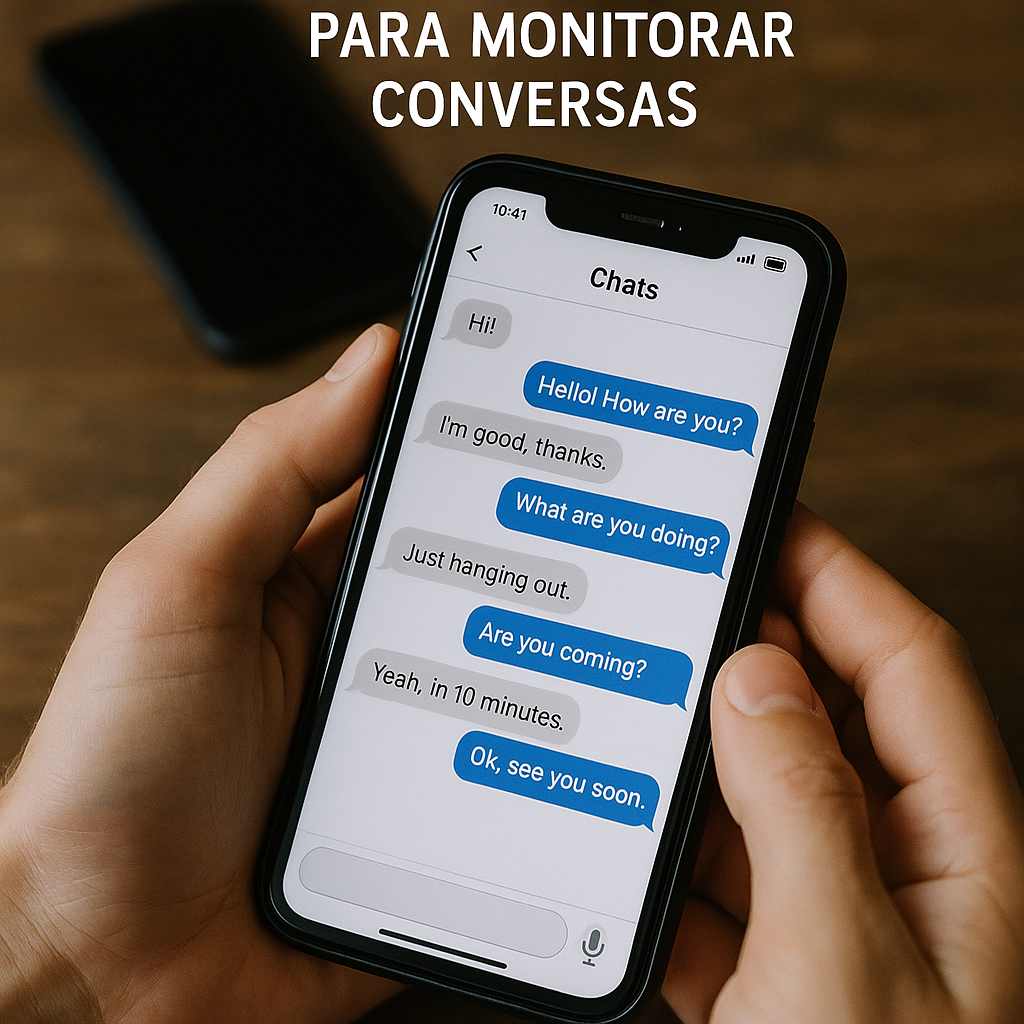
The third crucial optimization involves automatic backup and historical analysis of deleted conversations.Many parents only monitor active conversations and lose evidence when children delete incriminating messages.You can set up automatic synchronization with cloud or local backup that preserves full history even when children delete conversations from their phones.This advanced strategy identifies intentional hiding patterns that alone indicate problematic behavior.
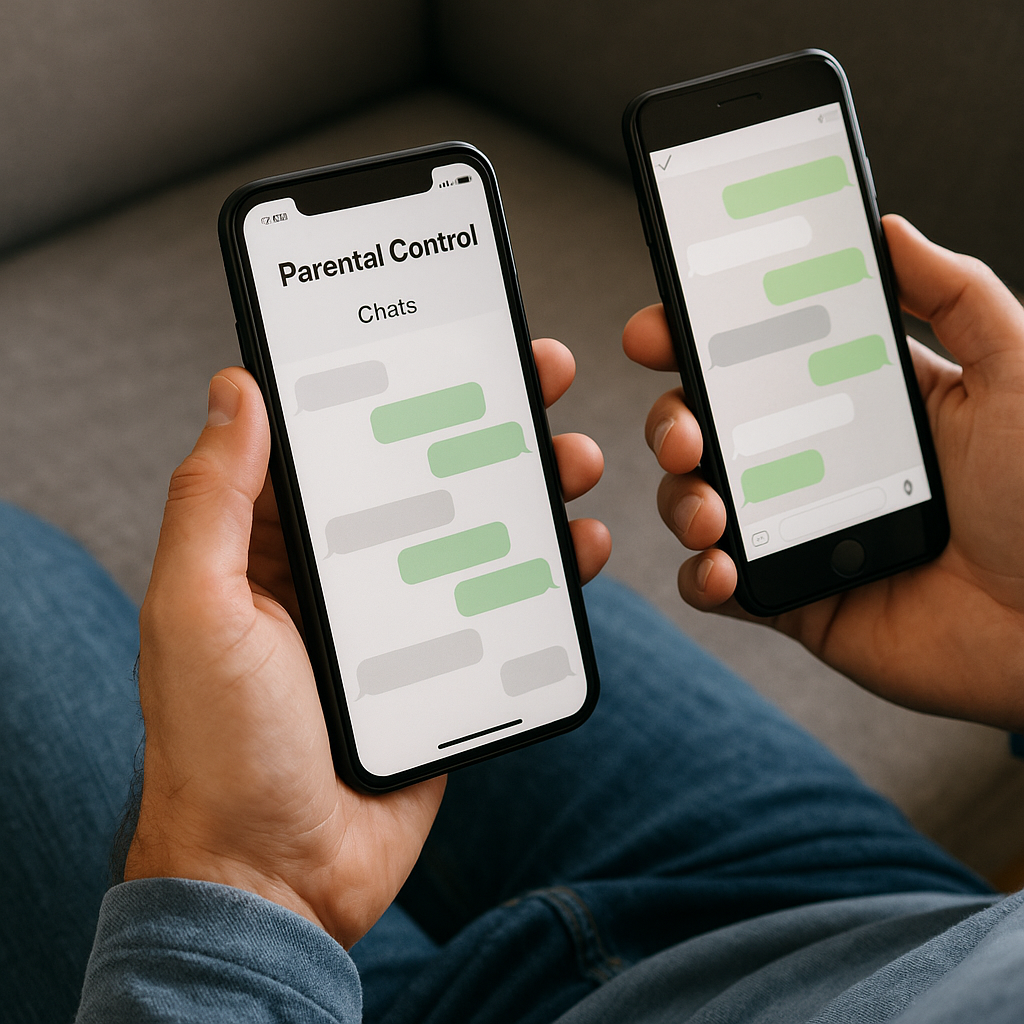
How to implement monitoring without damaging trust and relationship
You face a fundamental dilemma when implementing parental control: how to protect your child without creating a climate of constant vigilance that undermines mutual trust. The most effective solution you can adopt is gradual transparency where you start by clearly communicating that you will monitor conversations for safety reasons, explaining specific risks you are protecting against, and establishing agreements on what level of privacy your child will maintain in certain areas. This approach, while requiring more difficult initial dialogue, results in a healthier relationship in the long run.
An advanced strategy that differentiates effective parents from others is to use monitoring findings as a starting point for education, not automatic punishment.When you identify questionable behavior through conversation monitoring, you invite your child into dialogue where you explore motivations behind the behavior, teach healthier communication skills, and set boundaries together.
You should also implement a gradual reduction monitoring strategy as your child demonstrates responsibility and better judgment.This means that you start with fairly invasive monitoring during years of higher risk (pre-teen and early adolescence), but gradually relaxes controls as your child grows and proves that you can navigate the digital environment wisely. This approach recognizes that the ultimate goal of parental control is not perpetual monitoring, but development of the ability to self-regulate.
Practical challenges you will face and how to overcome them
You will probably quickly find that many modern messaging apps use end-to-end encryption that makes it virtually impossible to monitor real content from conversations without direct access to the device.WhatsApp, Signal, and Telegram all use encryption technology that not even their creators can bypass or access.
Another significant challenge you will face is dealing with hidden apps and secret accounts that your child can keep specifically to avoid monitoring. Teens often install apps in hidden folders, create secondary accounts, or even use secondary phones that parents do not know exist. You overcome this challenge by combining app install monitoring with transparent conversations about why your child feels the need to hide activities, addressing underlying motivation rather than just visible symptom.
You also need to deal with legal and ethical issues related to your child’s cell phone monitoring.In many jurisdictions, monitoring phone that you do not own or where your parental authority is questionable may violate privacy and communications interception laws.Make sure that you have a legal right to monitor the device, that the device is on your behalf or is under your responsibility as a legal guardian, and that your approach aligns with local laws.
Metrics and indicators you should monitor
You should establish a clear set of indicators that define when online conversation behavior poses real risk versus normal concern and acts expected of adolescents. Severe risk indicators include frequent contact with unknown adults trying to move conversations to private platforms, repeated requests for photos or videos of an intimate nature, conversation about face-to-face encounters with people known only online, and language that suggests coercion or manipulation.
Moderate risk indicators that require closer monitoring but not necessarily immediate intervention include communication patterns that change dramatically without apparent explanation, new group of online friends that your child keeps secret, language change or slang that you do not immediately understand, and periods of phone use that become secret or guarded.
You should also monitor positive indicators that suggest monitoring is working well and trust remains intact. These include ongoing communication between you and your child about friends and online activities, voluntary disclosure of new contacts or apps they start using, and willingness to answer your questions about digital activities without showing excessive resistance.