
Parental Control: Monitor Online Conversations!
Announcements
Concern about what their children do on the internet is legitimate and necessary.Many parents face questions about how to monitor online conversations without invading the privacy of teens.
Announcements
Parental control is a powerful tool that gives families peace of mind, but requires knowledge about best practices and the most common mistakes.In this article, you will learn how to implement effective monitoring, what mistakes most parents make, and how to avoid them when using platforms like OteApp.
The Real Challenge of Parental Monitoring
Monitoring online conversations goes far beyond simply installing an app on your child’s mobile.The reality is that many parents spend time and resources with inappropriate tools, which do not work properly or that harm the family relationship.You need to understand that the goal is not to monitor every move, but to protect against real risks such as cyberbullying, grooming and exposure to inappropriate content.
The scenario has changed completely in recent years.Children and adolescents are on multiple platforms simultaneously, from social networks to private messaging applications.This means that you can not rely on just a single method of monitoring.The effective approach combines technology, open dialogue and digital education suitable for each age group.
Common Mistakes Most Parents Make
The first serious mistake is to install control tools without prior communication with children. Many parents believe that secrecy guarantees security, but in fact generates mistrust and breaks relationships when discovered. Teens quickly discover that they are being monitored, and this causes negative reactions that undermine the dialogue necessary for real protection.
Another frequent misconception is to confuse parental control with outright censorship. By blocking everything indiscriminately, you prevent the young person from developing critical sense and ability to make safe decisions on their own. Excessive blocking also creates a sense of injustice, leading teens to look for ways to circumvent restrictions through VPNs or alternative devices.
Many parents also make the mistake of not choosing the right tool for their children’s age. Using the same level of restriction for an eight-year-old and a sixteen-year-old does not work.Each age group has different protection and freedom needs. Platforms like OteApp offer adjustable settings precisely to avoid this problem, allowing you to customize monitoring as your child’s development.
Technology without education is ineffective. If you install a monitor but never talk about the real risks, your children will not learn to protect themselves when they are out of reach of parental control.True protection comes from knowledge and mutual trust, not just from automated tools.
How to Monitor Online Conversations Without Invading Privacy
The first step is to have an honest conversation with your children about why you want to implement parental control. Explain that the goal is to protect them from real dangers, not to control them or distrust them. Teens who understand the “why” tend to collaborate better and respect the established rules.This openness also allows them to feel comfortable coming to you when facing troubling situations online.
Establish clear and realistic rules about internet use in your home. Instead of absolutely banning, set appropriate times for social media use, screen time limits, and places where devices should be used. Teens need gradual autonomy, so adjust these rules as they demonstrate responsibility.
Use tools that offer summary reports instead of logging each conversation individually.OteApp, for example, provides smart alerts about suspicious contacts or dangerous keywords, but without you having to read all private messages.This offers protection against genuine risks while maintaining your children’s sense of privacy.
Track your kids’ online friendships and groups discreetly. Learn who their virtual friends are, what communities they frequent, and what kind of content they share. This provides valuable context without the need for constant, invasive monitoring.Talk occasionally about people you meet online, ask how those relationships started, and show genuine interest.
Correct Implementation of Parental Control
Getting started is simple, but it requires organization.First, take an inventory of all the devices and platforms your children use. This includes smartphones, tablets, computers, video game consoles and any device connected to the internet.Many parents make the mistake of focusing only on the main mobile, forgetting that teenagers can access social networks by less obvious devices.
Choose tools that work really well in your specific situation. Not every free solution is suitable, and not every paid solution solves all problems. Search for options that offer: real-time message monitoring, customizable reports, configurable alerts, blocking age-appropriate content and clear interface for non-technical parents. Platforms like OteApp have been developed specifically for this purpose, offering features that generic security applications do not have.
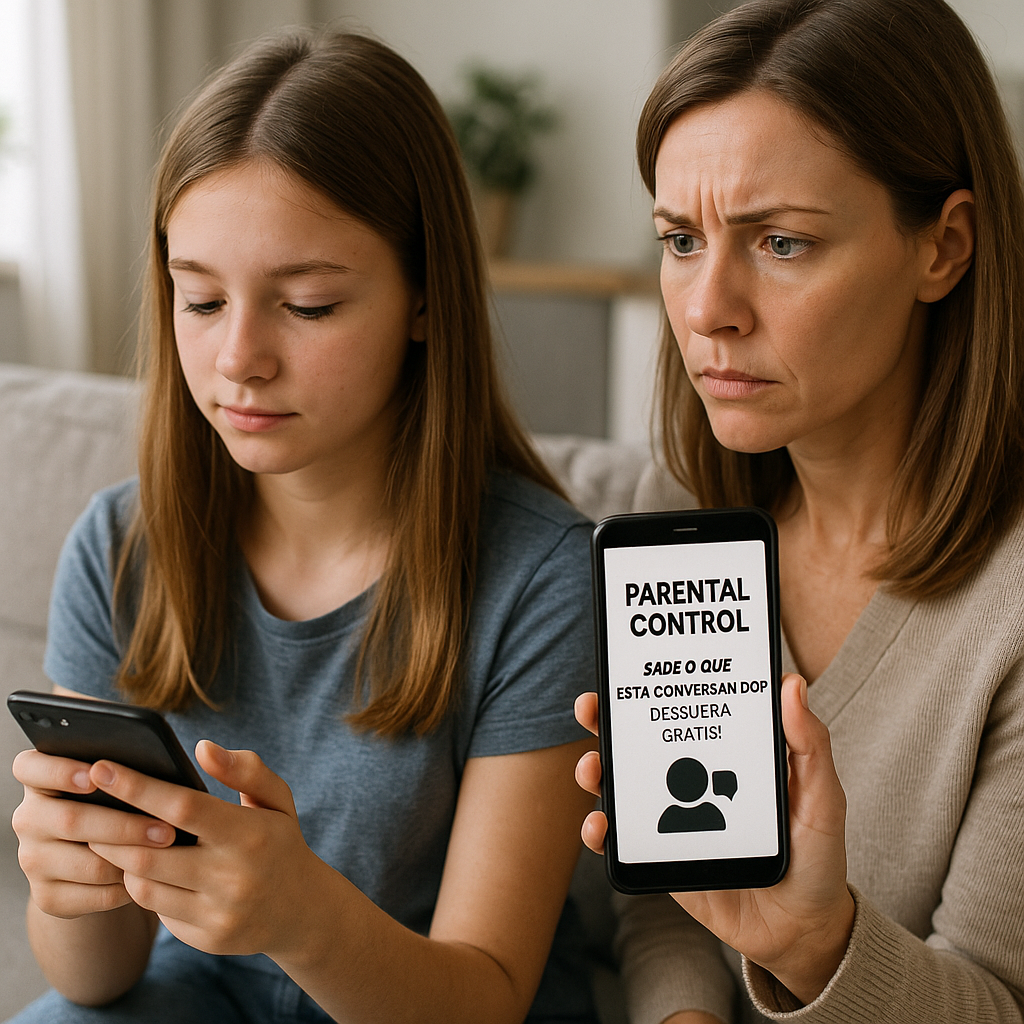
Set permissions appropriately before enabling full monitoring. Set different restriction levels for different times of day. For example, you can allow greater freedom of navigation after schoolwork is completed. Smartphones can be programmed to safe mode during evenings and early mornings.This balanced approach demonstrates that you trust but sets sensible limits.
Review the reports generated regularly, but without obsession.Many parents spend too much time analyzing every detail, which causes unnecessary anxiety and consumes hours without clear benefit. Establish a routine, perhaps once a week, to review only the important items: alerts of dangerous contacts, attempts to access blocked content and any non-standard behavior.
Identify Real Warning Signs
Knowing how to recognize worrying online behaviors is just as important as the monitoring tool itself.Sudden changes in usage pattern, such as going online at odd hours or hiding to use your phone, may indicate something problem.Your child avoids talking about online friends or gets defensive when you ask? These are signs that deserve deeper conversations, not just increased technical control.
Receive notifications about unknown contacts, especially adults who initiate conversations with their children. Online predators often use specific grooming techniques, gradually gaining confidence before exploring. Well-configured monitoring tools alert you to suspicious patterns: adults asking questions about locations, school arrival time or asking for photos.Be aware of these situations and act immediately with appropriate investigation.
Mood swings related to internet use are also significant. If your child leaves the mobile crying, anxious or aggressive, something is happening on the platforms. Cyberbullying, disturbing content or hostile encounters online affect mental health. In this case, parental control works as a psychological protection tool, helping you to identify the problem and intervene with appropriate support.
When to Seek Professional Help
If you discover that your child is in contact with predators, involved in trafficking inappropriate content, or being the victim of severe cyberbullying, seek professional help immediately.Report to specific platforms, the police, and consider psychological guidance for your child.Parental control tools document these incidents, serving as important evidence for authorities.
Adolescents who develop internet addiction also need approach beyond technical control.If you notice signs of addiction to social networks, video games or other online activities, this requires structured intervention with psychologists specializing in digital behavior.Parental control can help reduce screen time, but the real solution involves therapy and changes in the entire family environment.
In some cases, especially with adolescents with a history of risky behaviors, consider conversations with child digital security experts.These professionals help both parents and children develop realistic and healthy strategies for technology use. Combining technical monitoring with professional guidance offers better results than any isolated approach.
Building Trust While Monitoring
The biggest difference between effective and inadequate parental control is in communication. You may have the best tool available, but if there is no honest dialogue, the system fails. Teens who trust their parents are more likely to inform when something goes wrong online. They approach you with problems instead of trying to hide them or solve them themselves in a dangerous way.
Recognize when your child makes good choices online.If he refuses inappropriate interactions, ignores attempts at cyberbullying or stops using a platform for sensible reasons, praise. Positive reinforcement works better than constant punishment. This approach builds relationship where your child believes you are on his side, protecting him, rather than controlling him unfairly.
Tell about mistakes you made on the internet, how upsetting it was to receive an inappropriate message, or how you wasted time on something unproductive.These reports humanize you and demonstrate that even adults need boundaries and care.Your child feels less judged and more likely to ask for advice when faced with similar situations.
Updating the rules as your child grows is essential. What was appropriate at twelve is not at sixteen. Demonstrating that you recognize this natural development by adjusting constraints as responsibility increases, shows respect. Teens who see realistic progress are less prone to resentment and more engaged in maintaining the digital security of the family.
Finally, remember that monitoring online conversations is just a layer of protection. True security comes from consistent digital education, open dialogue, modeling good online behavior, and building relationships where your children feel safe to seek their guidance. Tools like parental control are powerful aids in this process, not substitutes for engaged and caring parenting.