Automotive Scanner: Practical Step by Step Guide
Announcements
An automotive scanner is an essential device that reads error codes from your vehicle, identifying problems in the engine, transmission and electronic systems. If you want smarter maintenance and accurate diagnostics without relying solely on expensive workshops, this practical guide will show you exactly how to use this powerful tool.You will learn advanced strategies that go beyond the basics, using platforms like OteApp to optimize your automotive diagnostic processes.
Announcements
Automotive scanner technology has evolved significantly in recent years, moving from exclusive workshop equipment to tools accessible to the general public. Today, vehicle owners can invest in automotive scanner apps that work via Bluetooth or Wi-Fi, connected to their smartphone or tablet, offering real-time diagnostics with professional accuracy.This democratization of technology allows you to better control the health of your vehicle and make informed decisions about necessary repairs.
How an Automotive Scanner App Works
The scanner device connects to the OBD-II (On-Board Diagnostics) port of your car, usually located under the instrument panel, near the steering wheel. This standardized connector transmits raw data from the vehicle’s on-board computer to the application, which then interprets the fault codes and translates them into understandable language.The process is simple: you insert the adapter, open the app on the mobile phone and synchronize via Bluetooth to start scanning data in real time.
Communication between the scanner and the vehicle computer occurs through specific protocols such as CAN, OBD, KWP2000 and others, depending on the manufacturer and model of your car. The app acts as an intelligent intermediary, capturing electronic signals that indicate the operation of sensors, injectors, ignition system, transmission and more. When it detects any deviation from normal parameters, the scanner generates a fault code (code DTC) that you can consult in the integrated database of the application.
Choosing the Best Automotive Scanner App for Your Needs
There are different levels of automotive scanner apps on the market, from basic versions that only read codes to advanced platforms with detailed predictive and historical analysis. To choose correctly, you should consider compatibility with your vehicle, the type of adapter (Bluetooth, Wi-Fi or USB), the quality of the interface, and especially the features offered for in-depth diagnosis. Apps like OteApp offer advanced optimizations that go beyond simple code reading, allowing comparative analysis and longitudinal tracking of your vehicle performance.
Compatibility is crucial: not every app works with every vehicle and not every adapter is universal. You should check if the app supports your car’s communication protocols, especially if you have an older or imported vehicle. The best platforms offer multilingual support, up-to-date database with millions of interpreted DTC codes, and frequent updates to cover new models.In addition, consider apps that offer extra features such as fuel consumption monitoring, maintenance history, and preventive alerts based on usage patterns.
Step by Step: How to Use Automotive Scanner Correctly
Before connecting the scanner, make sure the engine is off and the key is in the accessory position. Locate the OBD-II port of your vehicle, which is usually below the steering wheel, on the left or right side, or even behind a removable panel. Remove any plastic protection if necessary and insert the scanner adapter until you hear a click, ensuring a firm and secure connection that will not be interrupted during diagnosis.
After connecting the adapter physically to the vehicle, open the application on your smartphone and select the option “Connect” or “Sync”. The app will automatically search for the adapter via Bluetooth or Wi-Fi depending on the model. Once the connection is established, you will see a confirmation on the screen and the app will be ready to scan. Now you can turn on the engine without removing the adapter and start reading data in real time.
In the first scan, the app will capture all error codes present in the system, both active and historical codes. You will see a list organized by system (engine, transmission, airbag, ABS, etc.) with the specific code and an interpreted description. When selecting each code, you will have access to detailed information about the likely cause of the problem, severity, and in some cases, recommended solutions or next steps for deeper diagnosis.
Advanced Strategies to Maximize Your Diagnostics with OteApp
Advanced platforms like OteApp offer optimizations that go beyond simple code reading, allowing you to perform stratified diagnostics and comparative analysis. A powerful strategy is to create a baseline of your vehicle as soon as you acquire it, capturing all normal operating parameters. Then you can compare future scans against this baseline, identifying problematic trends long before an error code appears on the screen.
Another advanced approach is to monitor data in real time during different operating conditions, such as acceleration, braking, and gear changes. Some apps allow you to record this data in graphs, making it easier to see abnormal behaviors or non-standard oscillations.You can, for example, detect an intermittent failure in the oxygen sensor by observing abnormal spikes in the fuel air during acceleration, long before the system generates a permanent fault code.
For more technical owners, many advanced apps offer the ability to customize which parameters to monitor, set custom alert limits, and even access raw data in hexadecimal mode.This approach allows for much more accurate and deep diagnostics, especially for intermittent or complex problems that leave no obvious traces of error code. You can save these readings and share them with a professional mechanic, significantly speeding up the in-workshop diagnostic process.
Interpreting DTC Codes and Making Informed Decisions
A DTC (Diagnostic Trouble Code) code consists of five characters: one letter followed by four numbers. The initial letter indicates the system (P for Powertrain/Motor, C for Chassis, B for Body, U for Network), the first two numbers specify the group of functions, and the last two indicate the specific problem. For example, P0301 means “Cylinder 1 – Lack of Combustion”, which could be related to worn spark plugs, clogged injector or low compression.
When interpreting a code, it is crucial to understand that the code points to a symptom, not necessarily to the root cause of the problem. The same code can have several different causes depending on the vehicle model, its maintenance history, and conditions of use. Therefore, you should always cross information: compare the code with the real-time data captured by the scanner, check the maintenance history of the vehicle, and consider the recent driving conditions (foreign behaviors, noises, etc.).
Not every fault code requires immediate action. Some codes indicate minor issues that may await the next scheduled maintenance opportunity, while others signal critical conditions that require urgent attention.Codes related to emission system, O2 sensors, or minor electronic problems are usually less critical, while failing engine codes (misfire), transmission, or safety systems such as airbag and ABS require more immediate attention. Use the description offered by the app to assess severity, but when in doubt, consult a professional.
Continuous Monitoring and Preventive Maintenance with Scanner
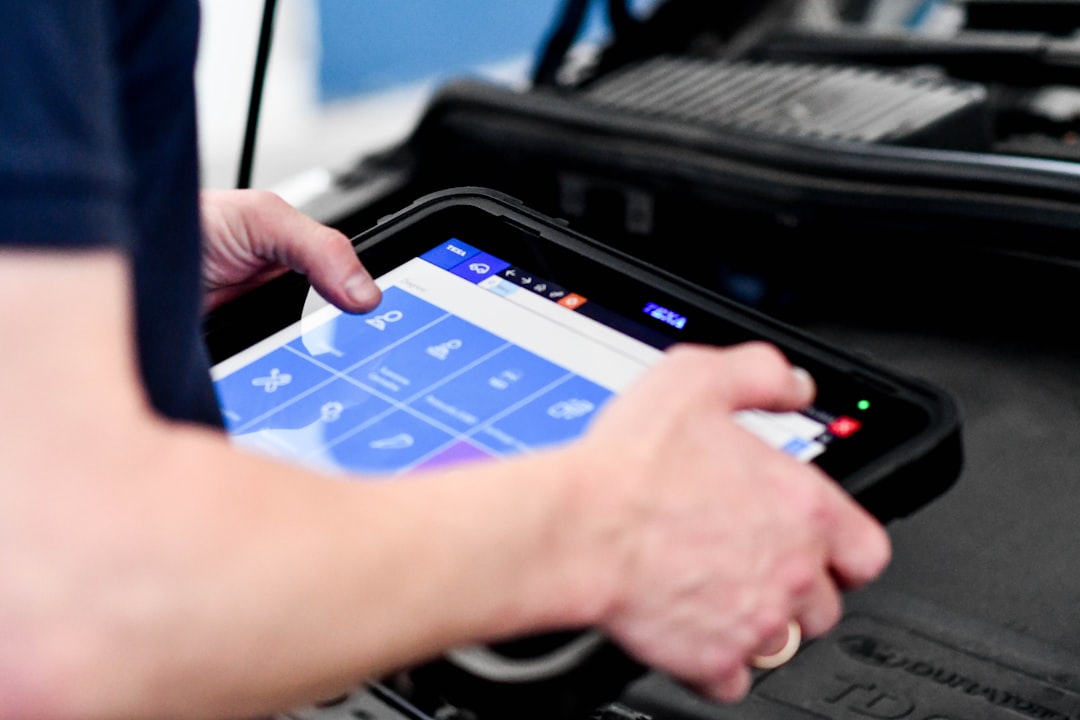
One of the biggest advantages of owning an automotive scanner app is the ability to implement a continuous monitoring program. You do not have to wait for an error code to appear: you can regularly scan your vehicle, perhaps once a month or before long trips, creating a detailed history of how the system behaves. This history becomes an extremely valuable diagnostic tool, allowing you to identify gradual patterns and degradations that lead to failures.
By continuously monitoring parameters such as battery voltage, engine temperature, combustion efficiency, and sensor behavior, you can anticipate problems before they turn into expensive repairs.For example, if you notice that the oxygen reading of seat 1 is progressively increasing over several months, you know that the sensor is degrading and can plan it for replacement before it triggers an error code that impairs engine performance.
Many apps allow you to set up automatic alerts when parameters exceed pre-set limits, sending notifications to your phone. You can, for example, set up an alert if the engine temperature exceeds 100 degrees Celsius, or if the battery voltage drops below 12 volts. These smart alerts, combined with data history, turn your smartphone into a preventive maintenance tool that saves you money significantly by avoiding emergency repairs and secondary damage.
Documentation is another critical aspect of preventive maintenance with scanner. You should keep detailed records of all scans, codes found, actions taken, and results. Some apps like OteApp offer automatic backup and synchronization capabilities in the cloud, ensuring that your historical diagnostic data is never lost and can be accessed from any device. This file becomes valuable both to you and future vehicle owners or professionals who repair it.
During preventive maintenance, you can also use the scanner to validate that a repair was successful. If a code was triggered and you performed the corresponding repair, you can clean the system codes (function available in many apps) and then scan again after driving the vehicle for a few cycles. If the code does not return, the repair was successful. If it returns quickly, you will know that there is a secondary problem that needs to be investigated.
Practical Tips and Best Practices for Maximum Effectiveness
Always make sure that your adapter is completely inserted into the OBD-II port and that the Bluetooth or Wi-Fi connection is stable before starting a detailed scan.Flashing connections can result in incorrect or incomplete readings.If you are using a Bluetooth adapter, make sure that the phone is not too far away (usually the range is up to 10 meters) and that no other devices are interfering with the connection.
When driving with the scanner connected, take extra care of safety. Although many apps allow data reading while the vehicle is moving, focus primarily on driving. Leave the app in the background or review the data only at safe stops or stopped traffic lights. Some dynamic data is best captured in controlled conditions, such as parking with the engine running or during planned acceleration/braking tests in safe environments.
Keep the adapter always clean and protected. Corrosion or dirt on the OBD-II port can damage the connection. If you notice rusty or dirty contacts, carefully wipe them with a dry cloth before connecting.Some adapters come with protective covers that you should use whenever the device is not in use, prolonging its service life significantly.
When sharing diagnostic information with a professional mechanic, export the data in a compatible format when possible. Most apps allow you to export PDF reports or raw data files. This gives the professional a clear view of what the scanner has found and facilitates communication about the next stage of diagnosis. Experienced professionals value owners who arrive with accurate data at hand, as this reduces diagnostic time and, consequently, the total cost of the service.
For maximum effectiveness with advanced platforms like OteApp, study the full app documentation and explore all available features gradually. Do not try to use all the features on the first day; master the basics first and then integrate more advanced features as your confidence increases. Many apps offer tutorials, webinars or online communities where you can learn from other users and professionals, accelerating your learning curve.
Regularly update your adapter firmware and scanner app as manufacturers continue to release improvements, bug fixes, and support for new vehicle models. These updates often also bring performance optimizations and new diagnostic features that you did not have before. Set up automatic updates when available, ensuring you always have the latest version with all the features and security fixes.
Differentiating Simple Problems from Situations that Require Professionals
Not all problems diagnosed with an automotive scanner are easy to solve on their own. A scanner can identify a P0011 code (valve control tree variation), but repair can range from simple sensor cleaning, through chain/distribution belt replacement, to complex work on valve control.
For simple problems like codes related to oxygen sensors, evaporation, or air mass sensors, you can often find online tutorials specific to your car model. These components are generally affordable, relatively inexpensive, and the replacement procedure is straightforward. However, codes involving transmission, engine, or critical safety systems like airbag or ABS often require specialized tools, in-depth knowledge, and in some cases, reprogramming software that only professionals have.
A good automotive scanner empowers you to make an informed diagnosis, saving money by avoiding unnecessary repairs and creating a solid foundation of information before going to a workshop. Even if you can’t solve the problem, you reach the professional with hard data at hand, making your job easier and saving time (and money) on repeated diagnosis. This combination of technical knowledge with honesty about your limitations is the wisest approach to responsible vehicle maintenance.