Automotive Scanner App: Diagnosis of Your Car
Announcements
An automotive scanner app is the digital tool you need to really understand what happens inside your car engine. This type of app connects to the vehicle’s on-board computer and decodes diagnostic signals, revealing problems before they become costly.
Announcements
The technology behind automotive scanners has evolved significantly in recent years, from expensive, unique devices for professional mechanics to affordable apps you can use on your smartphone.This democratization of automotive information puts you in control of preventive maintenance and saves you time and money on unnecessary repairs.
How an Automotive Scanner App Works
The automotive scanner app connects to the OBD-II (On-Board Diagnostics II) port of your vehicle via a Bluetooth or WiFi adapter.This port, mandatory on all cars manufactured after 1996, constantly transmits information about engine performance, emissions, transmission and other critical systems. The scanner interprets this raw data and turns it into information that is understandable to you.
When a fault is detected by the car computer, an error code is stored in the vehicle memory.The scanner app reads this code and provides the exact translation of the problem, whether it is a faulty spark plug, faulty oxygen sensor or transmission problems. Without the scanner, you would have to guess or pay a mechanic to make the diagnosis.
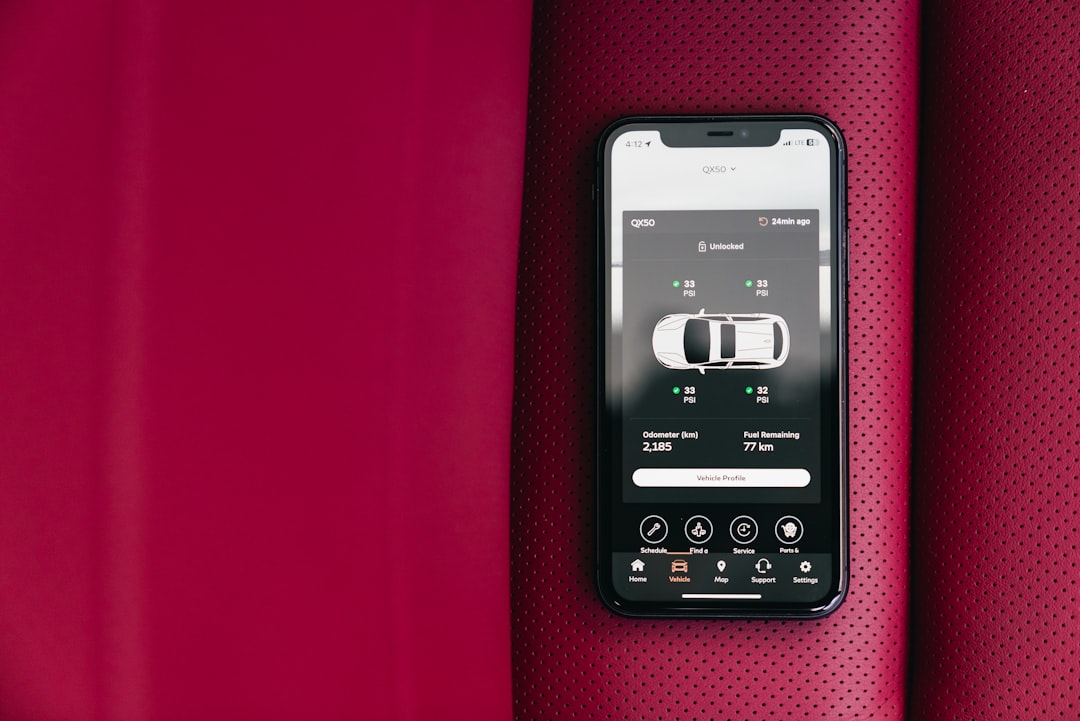
Most modern apps offer not only code scanning, but also real-time monitoring of engine parameters such as temperature, rotation, fuel consumption and fuel pressure.This continuous visibility allows you to identify worrying trends before the car starts to show noticeable symptoms to the driver.
Types of Apps Available in the Market
There are different categories of automotive scanner apps, each designed for specific levels of expertise and needs. Basic scanners focus only on reading and cleaning error codes, being ideal for car owners who want quick and hassle-free diagnosis. These apps usually cost between R$ 0 and R$ 50 reais, offering essential functionality without overloading the user with too much technical information.
Intermediate scanners, on the other hand, offer access to real-time data, error history and maintenance recommendations based on the detected parameters. You can track the overall health of the vehicle over time and receive alerts when certain limits are exceeded. These usually cost between R $ 50 and R $ 300 reais, with monthly subscription options for premium features.
Advanced scanners, which some specialized platforms offer, allow coding, module programming and deep vehicle customization. Tools such as those available through integrated platforms offer not only diagnostics, but also performance optimizations, fuel consumption adjustments and even modifications of operating characteristics. These features are typical of professional software used in workshops, but are increasingly accessible to enthusiasts.
Advanced Optimization Strategies with Scanner
To get the most out of an automotive scanner app beyond basic diagnostics, you should adopt continuous monitoring and trend analysis strategies. Instead of just checking the scanner when the engine check light comes on, start reviewing performance data weekly or monthly.This allows you to identify gradual component degradation long before complete failures, saving thousands on emergency repairs.
An efficient strategic approach is to create a baseline history of your vehicle as soon as you acquire it. Record parameter readings under normal operating conditions and then compare them monthly.If you notice that the operating temperature has increased by 5 degrees, or that fuel consumption has gradually worsened, these trends will signal the need for preventive maintenance. This method puts you months ahead of problems that other people only discover when the car fails.
Use the fuel and efficiency data offered by the scanner to optimize your driving style. Many apps show instant consumption in real time, allowing you to identify driving habits that reduce efficiency.Aggressive accelerations, high engine revs and excessive pedal pressure increase consumption dramatically. By modifying your driving based on scanner feedback, you can improve fuel economy by between 10% and 20%.
Selecting the Right Adapter for Maximum Compatibility
The success of an automotive scanner app depends a lot on the quality of the OBD-II adapter you choose. There are cheap adapters available for less than $30, but they often have inconsistent compatibility, frequent disconnections and inaccurate data reading. Investing in an established brand adapter, preferably with compatibility certifications, ensures that you will receive accurate data and stable connection.
When choosing an adapter, consider whether it offers Bluetooth or WiFi, or both. Bluetooth adapters are more battery-efficient, while WiFi offers faster connection and longer range inside the car. If you plan to do frequent diagnostics and real-time data analysis, a WiFi adapter with decent battery is the top choice. Also make sure that the adapter is compatible with your specific car’s communication protocol, usually CAN or ISO.
Construction quality also matters significantly. Adapters with poor quality components can damage your car’s OBD-II port or provide erratic readings. Choose models that have short circuit protection, EMI noise filters and rugged housing. Although these premium adapters cost more, they pay for the reliability and accuracy of the information you get.
Advanced Interpretation of Error Codes
Many people read a P0420 error code on the scanner and immediately take the car to the mechanic without understanding what it means. P0420 refers to the catalyst or oxygen sensor, but there are multiple possible causes, from a dirty sensor to a genuinely damaged catalyst. Understanding the hierarchy of possible causes puts you in a position to make informed decisions about repairs rather than accepting any offered diagnosis.
The advanced strategy is to collect contextive data before making any decision.If a rich mixing code appears, for example, check the parameters in real time such as duty cycle fuel injector, air flow sensor (MAF), and fuel pressure. If the fuel pressure is elevated while the injector is working normally, the problem may be in the pressure regulator, not the injectors. This systematic analysis significantly reduces the risk of unnecessary replacements.
Learn to distinguish between intermittent and permanent code. Intermittent code that appears occasionally is often a symptom of an incipient problem that is not yet critical, allowing you to schedule maintenance on your time. A permanent code that is constantly present requires immediate diagnosis. Most advanced apps track how often a code appears, helping you prioritize repairs based on actual criticality, not just perceived urgency.
Scanner Integration with Preventive Maintenance
The true potential of an automotive scanner app is revealed when you integrate it into a structured preventive maintenance program. Instead of reactive, you become proactive by identifying maintenance needs before components fail. Create a schedule based on mileage and time, but adjust it as scanner data indicates abnormal conditions.
For example, if the scanner shows that the catalyst efficiency is gradually degrading, you can schedule your replacement to 20 thousand kilometers ahead, in your next scheduled maintenance period, instead of letting it fail completely on the road. This type of planning also allows you to request budgets in advance, compare prices between workshops and eventually even save by negotiating joint services such as alignment and balancing on the same day.
Use scanner fuel consumption data to monitor overall engine health. A gradual drop in fuel economy, even without error codes, often signals that components are aging and need attention.Dirty air filters, end-of-life spark plugs, and dirty injection systems affect efficiency before causing code-detectable failures.The scanner reveals these degradations through data patterns that you would only notice if you were actively monitoring.
Privacy, Security and Compliance when Using Automotive Apps
When you connect an app scanner to your car, you create a digital access point to the vehicle. Some low-quality or doubtful-origin apps collect location data, driving history, and personally identifiable information. Before installing any app, carefully review the requested permissions and developer privacy policy. Legitimate apps ask only for access to the car’s communication port, not your location or contacts.
Safety also involves understanding that certain adjustments made through advanced scanners may affect your vehicle’s warranty status or its compliance with environmental regulations. Emission modifications, speed limiter adjustments, or fuel curve changes may violate laws in your region and void manufacturer’s warranty.Research local regulations before using customization features offered by apps, especially regarding changes that affect emissions.
Always choose apps from established developers with a proven track record and consistent positive reviews. Apps from unknown sources may contain malware or offer inaccurate data that leads to misdiagnosis and unnecessary repairs. Recognized platforms often invest in security, continuous updating of compatibility with new car models, and reliable customer support when you have questions.
Leveraging Community and Comparison Resources
Many modern automotive scanner apps offer integration with online communities where car owners share diagnostics, solutions, and maintenance tips. By connecting your scanner to these platforms, you access a collective database of experiences from thousands of drivers.If someone with the same car model faced an identical error code, they may have documented the real cause and the most cost-effective solution.
These community features eliminate the need to rely on a single mechanic or on the interpretation provided by the app. An owner who faced corrosion on the oxygen sensor in a specific model may have detailed photos and explanations of how to solve the problem. Others may have faced the same error code, but the cause was a loose cable or a bad contact, solvable in minutes without cost.
Also use the data comparison features that some apps offer. If you connect your performance data to similar owner histories, you can identify whether your parameters are within normal range or indicate anomalies. A fuel consumption that you think is acceptable may be 15% below expected for your model and year, signaling silent issues that no warning light has yet revealed.
Future Trends in Automotive Diagnostics
Automotive scanner app technology is rapidly evolving for integration with artificial intelligence and machine learning. Next-generation apps will not only read your error codes, but analyze patterns in your driving data and engine operation characteristics to predict failures weeks or months in advance. This predictive capability puts you in a truly preventative maintenance position, preventing failures altogether.
Vehicle connectivity is increasing, with more manufacturers offering native integration with diagnostic applications through embedded systems in the cars themselves. Soon, many vehicles will offer continuous diagnosis on the car dashboard or through notifications on the owner’s smartphone.This combines the convenience of an application with the reliability of a factory integrated system, eliminating the need for separate adapters for many users.
Augmented reality and 3D visualization of automotive components are also emerging in advanced apps, allowing you to see exactly where a problematic component is located in the engine and how to access it. For owners who perform maintenance themselves, this capability turns diagnostics into a practical repair guide, dramatically reducing the technical knowledge barrier.
The strategic use of an automotive scanner app goes beyond simply diagnosing problems when someone lights up. You are investing in deep understanding of your vehicle, ability to make informed decisions about maintenance and protection of your automotive investment.With advanced optimization strategies, proper selection of adapters and integration with preventive maintenance, your scanner app becomes a competitive advantage tool that saves time, money and frustration.