Mechanical App: Scan Your Car Now
Announcements
Mechanics apps that allow you to scan your car are revolutionizing how people diagnose vehicle problems.This technology puts specialized information directly on your smartphone, saving you time and money.
Announcements
You no longer have to wait for a mechanic to find out what is wrong with your vehicle. With a modern mechanics app, you access real-time diagnostics, identify faults before they become critical, and make informed decisions about preventive maintenance.
How Vehicle Diagnostic Apps Work
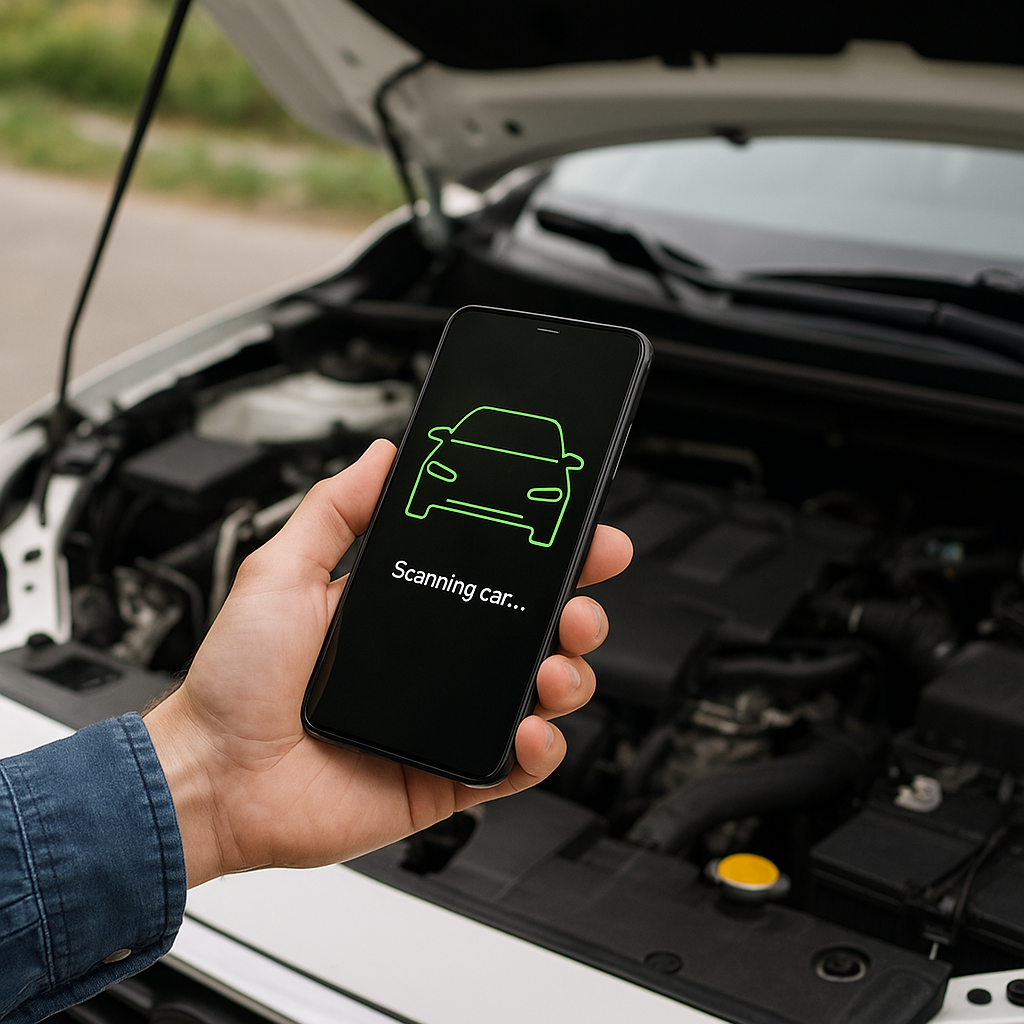
A mechanics app works through a connection to the OBD-II (On-Board Diagnostic) port of your car, a mandatory international standard in all vehicles since 1996 in the US and since 2000 in Europe. You buy a small Bluetooth or WiFi device that connects to this port, usually located below the instrument panel, and the application on your mobile establishes instant communication with the vehicle’s on-board computer. This data flow allows you to access error codes, sensor values and engine information in real time.
The technology behind these apps uses advanced algorithms to translate complex technical data into language accessible to the average owner.When you scan your car, the system collects information about the engine, transmission, brake system, emissions and dozens of other components.The app then interprets this data, identifies anomalies and offers explanations of what each error code means, allowing you to understand exactly what is happening to your vehicle before looking for a mechanic.
Practical Advantages of Using a Mechanics App
Financial savings is one of the biggest advantages when using an app to scan your car regularly. You can identify incipient problems before they turn into expensive and emergency repairs. For example, if the lambda sensor is working incorrectly, you can figure this out early and exchange the sensor for a few hundred dollars, avoiding major damage to the catalyst that would cost thousands. This early detection is especially valuable in older vehicles where repair costs can be astronomical.
In addition to the economy, you gain autonomy and independence from mechanics.Many owners often take the car to the workshop for any light on the instrumentation, and the mechanic charges a diagnostic fee that is often avoidable. With the app, you get the diagnosis yourself, without additional costs after the initial investment in the device. This information allows you to reach the mechanic with concrete data, making the negotiation fairer and avoiding unnecessary work.
Convenience is also a transformative factor of this technology.You scan your car from the comfort of your garage, at any time of the day or night, without relying on workshop opening hours.If a failure occurs during a trip, you can diagnose the problem immediately and decide whether it is safe to continue driving or whether to seek technical assistance. This real-time information provides security and peace of mind that did not exist before this technology was accessible to the public.
Current Trends in Diagnostic Applications
Integration with artificial intelligence is becoming standard in the best mechanics apps available today. These systems learn from millions of previous diagnoses and can predict future problems based on the fault patterns they identify.A smart app can alert you to the risk of a distribution belt failure before any error code even appears, enabling truly effective preventive maintenance.
Another important trend is connectivity to certified mechanics networks and authorized workshops. Modern platforms like OteApp are creating ecosystems where the diagnosis of your mechanics app automatically connects with trusted professionals who can perform the recommended repair. You can compare budgets, read reviews from other customers and schedule service directly through the app, creating an integrated experience from diagnosis to repair.
Predictive analytics is another innovation that is changing the market.Most advanced apps use historical data from your vehicle to identify wear and tear patterns and failures.If you own a five-year-old car and the app detects that similar components in the same model failed on average at six years, it alerts you in advance, allowing you to schedule preventative maintenance before an unlikely crash.
Best Practices to Maximize Your Mechanics App
The frequency of scanning is critical to take advantage of the full potential of the technology. You should scan your car at least once a month, or more often if you notice any change in the behavior of the vehicle. Many owners make the mistake of using the app only when a visible problem arises, missing the opportunity for early detection that is the great differential of this tool. Creating a monthly diagnostic routine turns the app into a genuinely effective preventive monitoring system.
Another critical point is to keep a detailed record of all scans performed. Most good apps allow you to see history of previous diagnostics and evolution of sensor values over time. By reviewing this history, you identify trends that indicate gradual degradation of components, allowing you to plan repairs in advance instead of dealing with emergency failures. This systematic monitoring is especially valuable if you plan to sell the car, as it proves careful maintenance.
Understanding the difference between critical codes and informational codes is essential to not be alarmed unnecessarily. A mechanics app should provide clarity on the severity of each detected code, indicating whether you can drive safely or should seek immediate assistance. Many owners misinterpret an informational code as a serious problem when, in fact, it is only information about a sensor or component that does not directly affect the operation of the engine. Learning to hierarchize this information avoids unnecessary costs with repairs that are not urgent.
Choosing the Right App for Your Vehicle
Compatibility with your car is the first criterion in choosing a mechanical app. Not all apps work perfectly with all vehicle models and brands, especially older or imported cars. Before investing in a specific OBD-II device, check the compatibility of both the app and the hardware with your vehicle by consulting user reviews with similar cars. An app that works perfectly with Fiat may have limitations on Toyota or Peugeot, so this research is essential.
The quality of the app interface also greatly affects your practical experience of use. You spend regular time looking at this interface, so choose an app that presents information in a clear and intuitive way. The best apps translate technical codes into explanations in common language, offering context about what each value means and what action you should take. Avoid apps that simply show encrypted numbers and codes without any useful context, as they quickly become frustrating to use.
Customer support and user communities are underestimated factors in choosing the ideal app. If you encounter a rare error code or unusual behavior in your car, it is comforting to have access to responsive support that can help interpret data. Many apps have active communities where owners share experiences, workarounds and valuable tips. Belonging to a robust community of users transforms your experience and provides value far beyond the basic technical functionalities of the app.
Security and Privacy in Diagnostic Apps
The security of your vehicle data is a legitimate concern when using any app that connects to the car’s electronic system. A good mechanics app should encrypt all data sent between the OBD-II device and your smartphone, avoiding interception by third parties. You should research the app’s privacy policy before installing, explicitly checking whether your vehicle data is shared with third parties, sold to insurers or used for tracking. Serious platforms are transparent about how they treat sensitive information.
The security of the physical OBD-II device also deserves attention, as it stays permanently connected to the diagnostic port of your car. A low-quality device can open vulnerabilities that would allow someone to modify your vehicle’s on-board computer remotely, posing a real security risk. Invest in devices of established and trusted brands that offer protection against unauthorized access. Many modern apps implement two-factor authentication and advanced encryption to ensure that only you can access your car data.
Your location privacy should also be considered if the app includes GPS tracking features. Some apps offer vehicle location, travel history and motion monitoring features, extremely sensitive information. Make sure that this data is only stored locally on your phone or is sent to company servers. You should have full control over what location information is collected and be able to disable tracking whenever you want.
Integrating the App with your Maintenance Routine
A mechanics app should not completely replace a professional mechanic, but rather complement traditional professional maintenance. Use the app diagnostics to inform conversations with your trusted mechanic, taking concrete data when you schedule a service. Upon arriving at the workshop armed with diagnostic information, you prevent the mechanic from spending time with preliminary tests and goes straight to the point, saving time and money. This collaboration between automated diagnosis and human expertise is the most efficient approach available today.
Establish a preventive maintenance calendar based on the data your app collects.If the app indicates that the battery is running suboptimal or that a sensor is starting to degrade, schedule a visit to the mechanic before the component completely fails. This proactive approach costs significantly less than dealing with unexpected failures that leave you in hand. Most apps offer automatic alerts when they detect troubling trends, turning the app into a personal maintenance assistant that works for you continuously.
Document all actions taken based on app diagnostics, creating a complete record of your vehicle’s maintenance history.When you eventually sell the car, this detailed history of preventive care adds real value to the vehicle and builds trust with potential buyers.Many smart owners now share these diagnostic records as evidence of careful maintenance, and this practice is becoming an expectation in the quality used vehicle market.
The integration between the app and platforms like OteApp is revolutionary because it creates an ecosystem where diagnosis, maintenance and relationship with professionals work in a coordinated way. You diagnose a problem through the app, the platform connects you with certified mechanics who solve the problem, and everything is recorded in the vehicle history. This integrated approach represents the next generation of automotive care, where technology and human services work in perfect harmony.