Automotive Scanner App: Full Diagnosis
Announcements
Automotive errors can pop up unexpectedly and leave you unsure what to do. An automotive scanner app transforms this situation by allowing you to identify problems in your vehicle before they become costly.
Announcements
If you have ever faced mechanical problems without knowing the real cause, you know how frustrating it is to take the car to the workshop without clear information. The good news is that modern mobile technology puts the solution in your hands, literally.Let’s explore how these applications work and what are the most common mistakes you should avoid when using them.
How an Automotive Scanner App Works
An automotive scanner app connects to your vehicle’s diagnostic system via the OBD-II (On-Board Diagnostics) port. This port, mandatory on all cars from 1996, stores detailed information about engine operation, transmission and emission systems. When you connect a compatible bluetooth device to your smartphone, the app accesses this data in real time.
The process is simple: you download the application, connect the OBD-II reader to your car door (usually located below the steering wheel), pair the device with your phone via bluetooth and voila. The app starts reading the error codes stored on the vehicle computer. These codes, known as DTCs (Diagnostic Trouble Codes), tell you exactly which system is in trouble and what the nature of the defect is.
Most modern automotive scanners offer advanced features like real-time monitoring of RPMs, engine temperature, fuel consumption and speed.Some more sophisticated applications allow reading history, comparative graphics and even data sharing with mechanics.This wealth of information turns your smartphone into a professional diagnostic tool.
The Major Mistakes When Using Vehicle Diagnostic Apps
Although automotive scanner apps are powerful tools, many users make mistakes that compromise the effectiveness of diagnosis. The first common mistake is blindly relying on a single error code without further investigation. A P0301 code (ignition failure in cylinder 1), for example, can indicate problems in the candle, coil, injector or even cylinder compression. If you change the candle without further investigating, you can spend money unnecessarily.
Another frequent error is to use lower quality devices or unreliable applications. Not all OBD-II readers are created equal: some are compatible only with specific vehicles, others have inaccurate reading and there are those that do not update the error code databases. You should research well before investing in a reader, checking reviews, compatibility with your car model and if the corresponding app receives regular updates.
Many owners also ignore the importance of cleaning up error codes after identifying them. Leaving the codes stored on the system can cause confusion in future readings and prevent you from identifying new problems that arise. Some apps facilitate this cleaning, but it is crucial that you understand that cleaning a code without solving the underlying problem solves nothing: the code will return as soon as the system detects the defect again.
Selecting the Ideal Scanner App For Your Vehicle
When choosing an automotive scanner app, you need to consider several important factors. Compatibility is the first: make sure the app works with generic OBD-II readers or requires a specific device. Some apps work with any standard Bluetooth reader, while others are proprietary and only work with their specific brands. A generic app offers more flexibility and costs less, although it may have slightly simpler functionality.
The language and interface are also decisive.You want an app in Portuguese that is intuitive, with clear icons and well-organized menus. A confusing app or just in English can lead to data interpretation errors. Also, look for apps that offer a dictionary or explanation of error codes in accessible language, not just complex technical terms.
Also evaluate the reputation of the developer and the support offered. An automotive scanner app that has not received updates for months is a warning sign: new car models constantly arise and code databases need to be updated. Apps with active communities, user forums or customer service tend to be more reliable. Review reviews on the Google Play Store or App Store, especially looking for comments from Brazilian users who have faced similar situations.
Correct Reading and Interpretation of Data
Correctly interpreting the information provided by your automotive scanner app is critical to avoid misguided decisions about maintenance. Error codes follow an international standard: they start with a letter (P for powertrain, C for chassis, B for body, U for network) followed by numbers that indicate the specific category of the problem. Knowing this structure helps you understand what the app is communicating.
A common mistake is to treat all codes with the same urgency. Low severity codes, such as an oxygen sensor running outside the specified range, may allow you to drive normally for some time. Already critical codes, such as clutch failure or valve command position sensor, indicate problems that can quickly worsen. A good automotive scanner app categorizes these errors by severity, but you need to understand this classification before acting.
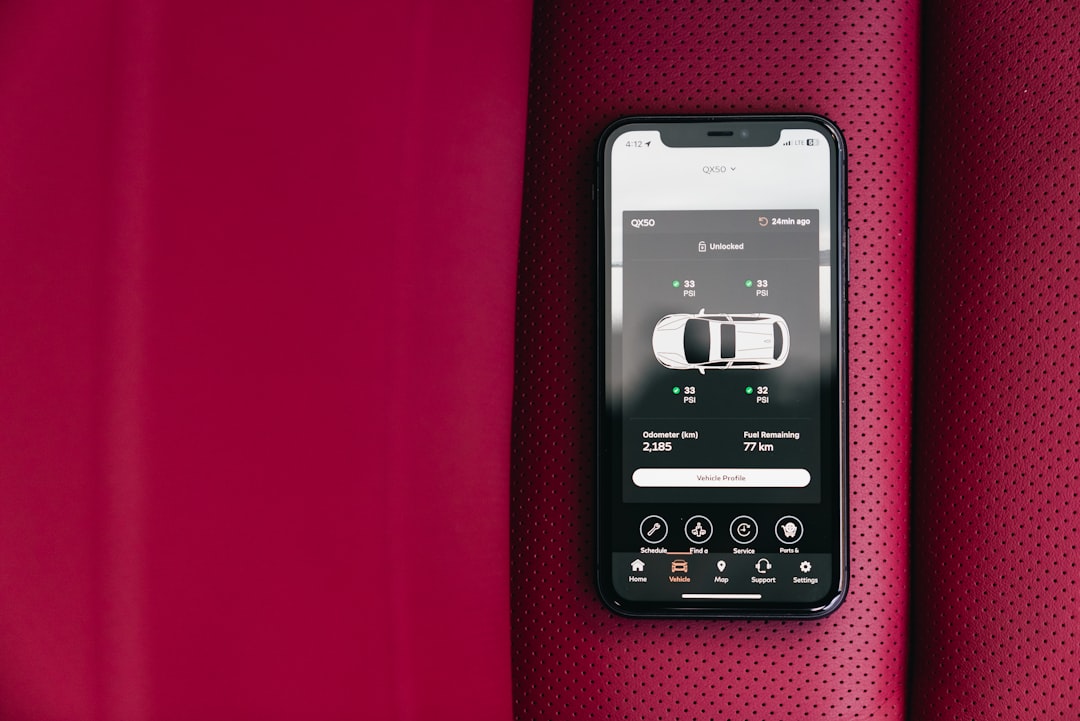
When you get a read, look for the full code and its description. Do not interpret the information in isolation: consider whether there have been recent changes in vehicle performance, strange noises, altered consumption or light from the lit dashboard. These additional clues help confirm whether the error identified by the scanner is really to blame for the problems you are experiencing. A full-featured app provides real-time data that helps in this correlation between the codes and the actual symptoms.
Advanced Features and How to Leverage them
Modern automotive scanner applications go beyond simply reading error codes.Many offer real-time monitoring of engine parameters, allowing you to track water temperature, oil pressure, battery voltage, and other critical metrics while driving.This feature is especially useful if you are investigating an intermittent problem that does not appear when the car is stationary.
Some apps include features like background code cleaning (soft reset), actuator testing, and even reading specific information from your vehicle manufacturer. Actuator testing allows you to activate components like fans or injectors to check that they are working. When used correctly, this feature can significantly speed up diagnosis. A common mistake is to activate actuators without understanding what you are doing: connecting injectors without proper monitoring can damage sensitive components.
Most apps also offer the option to export data or create reports that you can share with a professional mechanic. This functionality is valuable when you prefer a professional diagnosis but want to have the initial data prepared. Use these reports to document your vehicle’s maintenance history, creating a valuable record for future transactions or warranty claims.
Avoiding Common Traps In Diagnostic Digital Based Maintenance
A frequent trap is to believe that an automotive scanner app completely replaces the experience of a professional mechanic. Digital diagnostics is an amazing tool, but it is not omniscient.There are mechanical problems that do not generate error codes, such as wear of parts, leaks, strange noises or driving problems that involve physical damage.An app can say that your ignition system is perfect while you have a worn electrode sail that simply has not yet exceeded the fault limit.
Another mistake is to assign multiple problems to a single cause. If your app identifies codes related to oxygen sensor, ignition failure and fuel pressure, you should not assume that a single bad component caused everything. These problems often have different causes. A faulty oxygen sensor may actually be damaged, while the misfire could be an old spark plug and the fuel pressure could indicate a weakened pump. Investigating each code independently is crucial.
Don’t make the mistake of ignoring preventive maintenance warnings because your app doesn’t show critical errors.Your vehicle needs oil changes, filters, timing belt and other regular services regardless of whether there are error codes.An automotive scanner app doesn’t replace the manufacturer’s recommended maintenance schedule.Many owners just use diagnostic when something goes wrong, but regular use for monitoring can prevent problems before they become costly.
Security and Personal Data When Using Automotive Scanner Apps
When you install an automotive scanner app on your smartphone, you are granting access to detailed technical information about your vehicle. Some apps collect location data, travel history, and personal information to offer additional services or custom reports.You should carefully review the permissions you requested before installing any app. If an app asks for access to the camera, contacts, or photo gallery when its only function is to read error codes, this is a warning sign.
Look for applications from well-known and established companies as they offer greater data security and privacy. Read the developer’s privacy policy to understand how your data will be used. A legitimate automotive scanner app will not sell your travel information or vehicle data to third parties.If the app offers cloud synchronization or sharing with mechanics, make sure it uses proper encryption to protect this sensitive information.
Keep your app up to date whenever new versions become available. Updates often include security fixes, support for new car models, and improvements to the error code database.An outdated app not only provides less accurate diagnostics, but may also have security vulnerabilities that put your data at risk.
When using your car scanner app in public places, such as garage parking lots or service centers, make sure your bluetooth connection is secure and that no one is watching your vehicle’s sensitive information. If you are going to share reports with third parties, consider removing personal information like your home address or travel patterns before shipping.The privacy of your location data and travel habits is just as important as the safety of your vehicle.
A well-chosen and properly used automotive scanner app turns you into a more informed and empowered owner.You can identify problems in early stages, avoid unnecessary repairs and better communicate with professionals when you need help.The key is to understand that this powerful tool requires knowledge, care in the selection of the application and prudence in the interpretation of data. With these proper practices, you maximize the benefits of digital diagnostics while avoiding the common pitfalls that harm many users.