Automotive Scanner App: Full Diagnosis
Announcements
Have you ever stopped to wonder if the automotive scanner app you are using is really reliable for diagnosing problems in your car?The truth is that there are many myths circulating about these digital tools, and you need to separate fact from fiction.
Announcements
Automotive diagnostics has evolved significantly with mobile technology, transforming the way owners and mechanics identify vehicle failures.In this article, you will discover what the main myths and truths about automotive scanner apps are, understanding exactly how these tools work and when you can really trust them.
Myth 1: The Automotive Scanner App Makes Full Diagnosis Alone
Many people believe that a good automotive scanner app can completely replace the expertise of a professional mechanic.You can get that same impression when you see those promising ads that talk about “100% accurate diagnosis” or “detects all car problems”.
What an automotive scanner app actually does is read the error codes stored in the electronic control unit of your vehicle. These codes are like a detective’s initial clues, not the solved case. When your car identifies an anomaly, it stores a fault code (DTC – Diagnostic Trouble Code) in memory, and the app manages to access and translate this information for you.However, the same code can indicate multiple different causes, depending on the make, model and year of the vehicle.
For example, if the code points to a faulty oxygen sensor, it could mean that the sensor is actually broken, but it could also indicate a wiring problem, a leaking valve, or even a dirty carburetor.You need in-depth technical knowledge to correctly interpret what that code means in the specific context of your car. An automotive scanner app can’t do this complex contextual analysis that a good mechanic does.
Truth 1: Automotive Scanner Apps Are Excellent Early Diagnostic Tools
Now comes the real and important part: automotive scanner apps are incredibly useful tools when you understand their true purpose.You can use such an app to quickly identify what is happening to your vehicle, saving you time and money on unnecessary consultations with mechanics.
When the engine check light comes on your dashboard, you are eager to know what happens. An automotive scanner app can answer this question in seconds, without you having to schedule an appointment in the workshop. This preliminary information is extremely valuable because you get an immediate answer and can decide whether you need to take the car for review urgently or if you can wait a few days. Moreover, when you already arrive at the workshop knowing what the error code is, the mechanic can take advantage of the time much more efficiently.
Modern automotive scanner apps also store code history, allow you to wipe vehicle memory (after solving the problem), and some even offer more detailed explanations of what each code means.
Myth 2: Any Automotive Scanner App Works on All Cars
There is a widespread belief that once you install an automotive scanner app on your smartphone, it will work perfectly on any vehicle you want to diagnose. You may have experienced this and found that it does not always work, and now you know the reason: this expectation is simply incorrect.
The reality is that different car manufacturers use different communication protocols and varied diagnostic standards.There are several international standards such as OBD-II (On-Board Diagnostics II), CAN (Controller Area Network), and specific brand owners. An automotive scanner app needs to be compatible with the specific protocol your car uses, otherwise it will simply not be able to establish communication with the vehicle control unit.
In addition, the accessories needed to connect the app to the car also vary. Some apps only work with specific Bluetooth adapters, others require proprietary physical OBD-II connectors, and some work only with certain brands of cars. You can have an excellent app installed, but without the correct hardware, it will be completely useless in your vehicle. So it is crucial to check the compatibility of both the app and the adapter with your car before making any investment.
Truth 2: Brand-Specialized Apps Offer Much More Accurate Diagnosis
When you choose an automotive scanner app designed specifically for a car brand, you get a completely different level of functionality and accuracy. These specialized apps can read more specific error codes, access advanced parameters, and even control vehicle functions that generic apps would never be able to.
Manufacturers such as BMW, Mercedes, Ford and Volkswagen offer proprietary diagnostic apps or license specialized platforms that work much deeper. You can access specific fluid temperature information, real-time individual sensor data, detailed maintenance history, and even fault codes that do not appear on generic readers. This accuracy means you and your mechanic can identify problems faster and with much greater accuracy.
The obvious disadvantage is that you need a different app for each car brand, which is not practical if you work with multiple vehicles. However, if you are a specific car owner and want the best possible diagnosis, a specialized app by the brand is absolutely the right choice. The investment in such an app usually pays fast by avoiding incorrect diagnoses and unnecessary repairs.
Myth 3: The Automotive Scanner App Reads Everything Directly from the Car Battery
You may have heard that an automotive scanner app can read all the car information directly from the battery, as if it were a magic. This is a dangerous simplification that causes confusion about how these tools actually work and what they are capable of doing.
In fact, the automotive scanner app connects to the OBD-II diagnostic port of your car through a physical adapter, and this adapter establishes a data communication with the vehicle’s electronic control unit (ECU). The battery provides only the power for this communication to happen, but all diagnostic information comes from the car’s computers and sensors. The app is not “pulling” battery data, it is talking to the automobile’s electronic systems through a standardized communication protocol.
This confusion is important because it affects your expectations about what an app can do. Some data is available immediately and can be read quickly, while others need to be accessed through more advanced diagnostic procedures that take time. In addition, not all car systems expose your data to external reading, for security and intellectual property reasons. You need to understand these limitations so as not to be frustrated when an app fails to access information that you believed it should be able to read.
Truth 3: Automotive Scanner Apps Offer Reliable Reading of Standard Error Codes
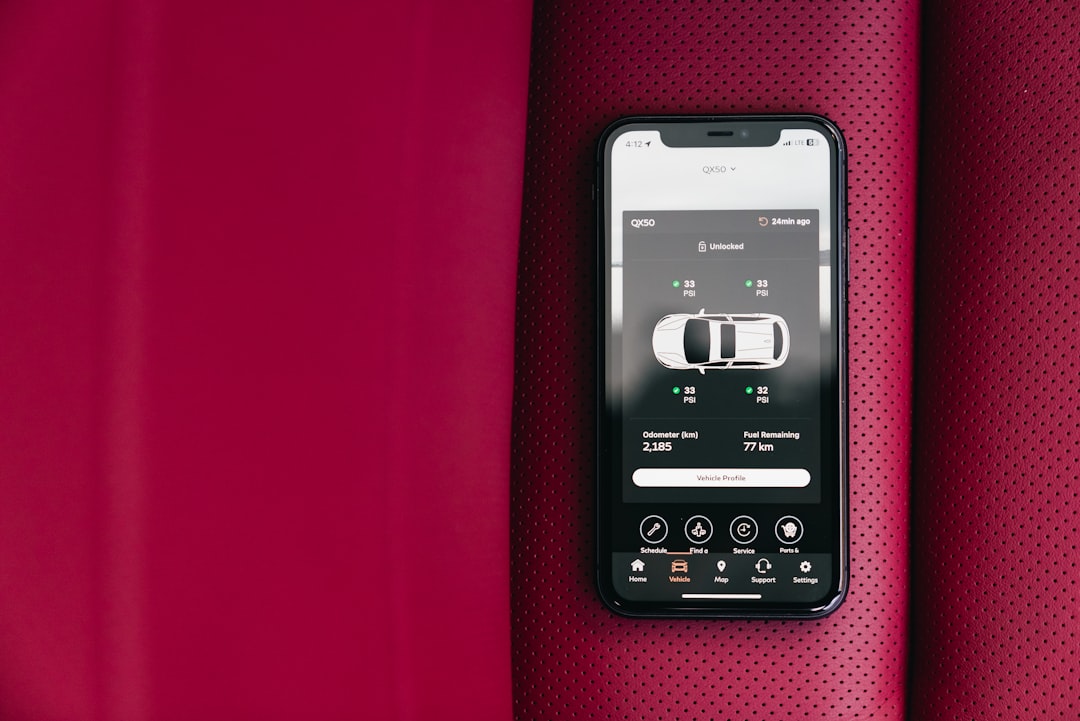
What you can really trust is that a quality automotive scanner app will offer fast, accurate and reliable reading of the OBD-II standardized error codes. These codes are universally used on virtually every passenger car manufactured since 1996 in the US and since 2001 in Europe.
OBD-II fault codes are like a standard alphabet that all cars use to communicate. When the app reads the code P0401 (Exhaust Gas Recirculation Flow Insufficient), you know exactly what it means in any vehicle in the world. This standardization is precisely what makes generic automotive scanner apps so valuable, because they can offer this basic functionality working in any modern car. The accuracy of this reading is so high that you can completely rely on it as a starting point for your diagnosis.
In addition, you can use an automotive scanner app to check the status of various systems without the need for special equipment. You can confirm whether the catalyst is having problems, whether there are leaks in the evaporative system, whether the emission system is working properly, and much more. This information is accurate and reliable, giving you a solid overview of the overall condition of your vehicle.
Myth 4: An Automotive Scanner App Can Automatically Solve Problems
There is a dangerous myth that automotive scanner apps can not only diagnose but also automatically resolve issues through software updates or remote tweaks.You may have seen misleading ads that suggest the app can “fix” your car on its own, and this needs to be clearly disproved.
The reality is that an automotive scanner app is a diagnostic and informative tool, never curative. The app cannot physically repair anything in your car because it does not have access to systems that control actuators, motors, or valves so that it can implement permanent changes. Even when some apps offer the ability to “erase” error codes from memory, this does not solve the underlying problem – it just removes the warning message while the problem continues to exist.
Some apps try to offer “calibrations” or “software adjustments” but you should be extremely careful about it. Modifying your car’s control software can invalidate the warranty, cause emissions problems, or even damage engine components.The proper function of an automotive scanner app is to inform you about what’s wrong, not try to fix it on your side. The actual repair will always require physical action on the vehicle, done by a qualified professional.
Truth 4: The Automotive Scanner App Is the First Line of Defense For Smart Maintenance
The most important truth about automotive scanner apps is that they represent the first line of defense in a proactive approach to maintaining your car. You can use these tools regularly to monitor the health of your vehicle, detect early-stage problems, and prevent costly failures in the future.
When you regularly monitor your car data using an automotive scanner app, you can identify worrying trends before they turn into serious failures. For example, you may notice that fuel efficiency is gradually worsening, which may indicate that an air sensor is dirty or that a spark plug is failing. You can act quickly, solve the problem with simple preventive maintenance, and prevent it from turning into an engine failure that would cost thousands.
In addition, an automotive scanner app offers historical records that you can share with your mechanic, increasing transparency and trust. You do not just depend on the professional’s diagnosis, you have your own data to compare. This puts you on an equal footing in maintenance conversations, allowing you to make more informed decisions about how much work really needs to be done on your car.
Myth 5: Automotive Scanner Apps Are All Equal and Equally Reliable
A common mistake is to assume that all available automotive scanner apps offer the same quality and reliability. You may have experienced this in practice: you downloaded a free app that promises to read code, but it simply does not work as expected. This disappointment exists because not all apps are created with the same quality standard.
The reality is that there is a huge variation in quality between different automotive scanner apps. Some apps are developed by reputable companies with years of experience in automotive diagnostics, while others are created by inexperienced developers who have copied basic features. The difference affects not only the functionality, but also the accuracy of readings, the quality of interpretations of error codes, and even the security of your car data.
More expensive automotive scanner apps usually offer higher accuracy, more advanced functionality, better customer support, and more frequent updates. However, price is not all – you need to check real user reviews, check that the app is regularly updated, and confirm that it offers specific support for your car type. A free app may work well for basic code reading, but it may be completely inappropriate if you need more advanced diagnostics.
Truth 5: Reliable Automotive Scanner Apps Are Quickly Paid Investments
If you choose a proven quality automotive scanner app, it will be an excellent investment that will pay for itself quickly through the quality diagnostics you get. You can avoid expensive consultations with mechanics only to find that the problem is something trivial that has already solved, or you can get to the workshop with prepared information that makes the service more efficient.
A quality automotive scanner app usually costs between fifteen and fifty dollars, or offered as a service by some more robust apps. Compared to a diagnostic consultation in a workshop, which can cost between one hundred and two hundred dollars, you recover the investment practically on the first use. Over a few years of car ownership, a good automotive scanner app saves hundreds of dollars on unnecessary diagnostics, prematurely scheduled appointments, and repairs based on assumptions instead of real facts.
In addition to the direct financial value, an automotive scanner app offers peace of mind. When the warning light comes on your dashboard, you are not desperate to imagine the worst – you simply open the app, find out what is happening, and make a rational decision on how to proceed. This safety and control over the situation of your car is as valuable as the money saved, because it reduces the stress and anxiety that accompanies automotive problems.
In summary, you now understand that an automotive scanner app is not a substitute for the experience of a professional mechanic, but it is a powerful diagnostic tool that offers real value when used correctly.The myth that it can make full diagnosis is false, but the truth that it offers accurate reading of standard codes is absolutely reliable. Choosing the right app for your specific car, understanding its limitations, and using it as the first line of diagnostic analysis is the smart approach that keeps your vehicle in better condition with less expense.