Automotive Scanner App: Vehicle Diagnosis
Announcements
Are you tired of taking your car to the mechanic without knowing exactly what is going on? Automotive scanner app technology has completely changed the way vehicle owners deal with preventive maintenance and problem diagnosis.
Announcements
In this article, we will unravel the myths and truths about automotive scanner apps, showing you what really works and what is just deceptive marketing. You will learn how these tools can save you money, time and give you more control over the health of your vehicle.
What Is an Automotive App Scanner?
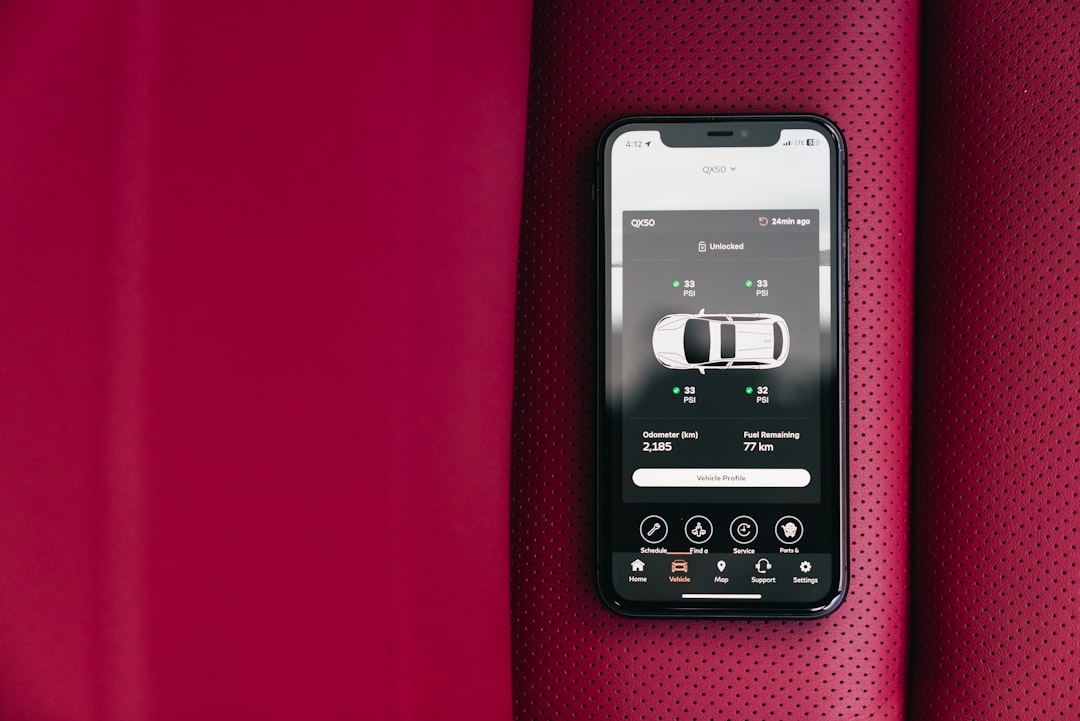
An automotive scanner app is a mobile application that connects to your vehicle’s diagnostic system via a Bluetooth or USB adapter. This adapter reads the error codes stored on the car’s on-board computer, allowing you to access information that was previously unique to specialized workshops. The app acts as a bridge between your smartphone and the car’s electronic system, translating technical data into understandable information.
Most of these applications use the OBD2 standard (On-Board Diagnostic 2), which is mandatory in virtually all cars manufactured after 1996 in the United States and 2001 in Europe and Brazil. This means that the device is practically universal, working in vehicles of different brands and models. The adapter is small, portable and costs between R $ 50 and R $ 200, depending on the quality and functionality offered.
Myth 1: The App Scanner Completely Replaces a Professional Diagnostic
This is one of the biggest misconceptions about automotive scanners.Many people believe that they can solve any car problem just by using a home application.The truth is that the scanner app provides valuable information, but it does not replace the experience and equipment of a qualified professional mechanic.The scanner reads error codes, but the correct interpretation and the proper solution require in-depth technical knowledge.
Imagine that your app scanner accuses the code P0300, which refers to multiple-cylinder ignition failure. There are dozens of possible causes: worn candles, defective coil, clogged injector, problem oxygen sensor, low compression or even problems in the distribution current.An experienced professional knows how to do additional tests to identify the root cause, while you using only the app can make unnecessary repairs and spend money idly.
The scanner is a powerful initial diagnostic tool, not the final solution. Use it to have information before looking for a mechanic, to better understand the problem and make more informed decisions.You will be in a much better position to talk to the professional and not fall into possible attempts of unnecessary sale of parts.
Truth 1: The App Scanner Saves Money on Diagnostics
An undeniable truth is that automotive scanner apps save significantly on initial diagnostic costs. Many workshops charge between R$ 100 and R$ 300 just to read error codes. When you have an app scanner with an adapter, this cost drops to practically zero after the initial investment. Consider that you can do as many readings as you want, as many times as you need, without paying anything additional.
In addition to the immediate savings, you gain valuable time. You do not need to schedule time in the workshop, wait in line or leave the car there for hours. In minutes, you have the information you need, sitting in your garage. This practicality is especially valuable when you need to follow a problem that comes back periodically. With the app, you can take readings whenever you suspect something wrong, building a history that will be extremely useful for a mechanic to understand the failure pattern.
Myth 2: All Scanner Apps Are the same
Many people think that there are few differences between the various scanner apps available in the market. In reality, the quality, functionality and reliability vary enormously between the different apps.Some apps are developed by serious companies with years of experience in automotive diagnostics, while others are created by amateur developers with little technical knowledge.The choice of the correct app makes a huge difference in the usefulness of the tool.
Top quality apps offer crash history, real-time performance charts, detailed explanations of error codes, and even integration with databases that help identify known issues for your specific vehicle model.Lesser developed apps can read only the basic codes and show generic messages that don’t help much. Some still have incorrect or misleading information, causing confusion rather than clarity.
When choosing an app scanner, search for real-world user reviews, check which version of the OBD2 protocol it supports, and confirm that it works with your specific vehicle. Apps developed by recognized adapter manufacturers tend to be more reliable than generic apps with vague description of functionality.
Truth 2: The Scanner App Delivers Valuable Real-Time Information
A genuine advantage of scanner apps is the ability to monitor real-time data while you drive. You can observe engine temperature, fuel consumption, engine speed, fuel pressure, battery voltage and dozens of other parameters simultaneously. This real-time information helps you identify when exactly a problem occurs and under what circumstances, providing crucial clues about the root cause.
For example, if the engine goes out in specific situations such as when stopping in transit, you can use the app to monitor the behavior of the oxygen sensor or the air-fuel mixture at that exact moment. A professional mechanic could need several attempts to reproduce the problem, but with its real-time data, it will have concrete information to work with. This functionality turns the scanner app from a simple code reading tool into a powerful diagnostic instrument.
Myth 3: The App Scanner Can Fix Problems Automatically
There is a mistaken belief that advanced scanner apps can automatically fix vehicle problems or permanently reset alerts.The truth is that legitimate apps never offer this functionality, as it would be potentially dangerous and illegal in many countries.
Cleaning an error code without solving the problem is like plugging the leak into a pan instead of fixing it. The problem is still there and the code will come back soon, usually making the situation worse.In addition, in vehicles with monitored emissions system, cleaning codes without correcting the cause can result in failure of environmental inspections. Avoid apps that promote “automatic correction” of problems or “permanent cleaning” of error codes.
Truth 3: The App Scanner Increases Your Mechanical Knowledge
An often underestimated benefit is that regularly using an app scanner significantly increases your knowledge of how your car works.Every time you read an error code, you learn something new about your vehicle’s systems.Over time, you begin to understand patterns, recognize warning signs and make more informed decisions about preventive maintenance.
Drivers who use scanner apps regularly often discover early-stage problems before they develop into costly failures. You may notice a gradual deterioration of a sensor, a slight leak that slowly worsens, or an abnormal behavior pattern that a single diagnosis would have missed. This continuous monitoring of your vehicle’s status puts you in a position to care for it preventively, not just reactively.
Myth 4: The App Scanner Works Equally on All Cars
Many users assume that if the scanner app works in one car, it will work identically in another. The reality is more complex. Although the OBD2 standard is universal, vehicle manufacturers implement additional and proprietary features that vary greatly.An app may have full access to the systems of a Toyota vehicle, but limited functionality in a Honda or BMW, depending on how each manufacturer has integrated the diagnostic protocol.
Newer vehicles often have more advanced and restrictive diagnostic systems, including encryption that prevents full access to information. Some luxury manufacturers or sports cars implement special protections to prevent unauthorized diagnostic tools from accessing critical data. Therefore, it is essential to verify that the chosen app and adapter work specifically with your vehicle model before purchasing.
Truth 4: App Scanner Identifies Recurring Failure Patterns
A true differential of scanner apps is the ability to maintain fault history and identify patterns over time. If a specific error code appears periodically, the app records this information, allowing you to clearly see when and how often the problem occurs. These patterns are pure gold for accurate diagnosis, as many automotive problems do not manifest consistently.
Imagine an oxygen sensor code that appears only on cold days or just when the car is being driven at high speed. This specific pattern points to a very different cause if the code appeared randomly. A professional mechanic will use this history you provided to make targeted and efficient tests.You not only save money, but also significantly speed up the diagnostic and repair process.
Important Considerations About Adapter Quality
The quality of the OBD2 adapter is just as important as the chosen app, as a bad or counterfeit adapter can provide incorrect or incomplete readings.Low-quality adapters often have poor contacts, unstable Bluetooth driver, or chips that do not support all communication standards.Buy from recognized brands and trusted sellers, not only for the lowest price.A premium adapter costs a little more, but offers much better compatibility and accurate data.
Make sure the adapter supports multiple communication protocols like ISO-9141, ISO-14230 and CAN, not just a single protocol. Different vehicles use different protocols, and a robust adapter supports all. Also look for adapters with LED indicators that show connection status, as this helps diagnose communication problems. The quality of the adapter directly affects the reliability of the readings your app will provide.
Preventive Maintenance with App Scanner Data
The scanner app provides valuable data that you can use for much more informed preventive maintenance planning. Instead of rigidly following the owner’s manual schedule, you can use real data from your vehicle to determine when parts really need to be replaced. For example, by monitoring the battery voltage, you will know precisely when it is starting to degrade, allowing replacement before an unexpected failure.
Sensors often degrade gradually over time. With the app, you can track how readings from a specific sensor change over weeks or months, identifying when it is nearing the end of its life.This allows you to replace the part on the next scheduled maintenance schedule, rather than getting stuck with a sudden failure. This proactive approach saves money and prevents dangerous or inconvenient situations.
Understanding Error Codes Through the App
Each OBD2 error code follows a specific pattern that helps identify the affected system.Codes starting with P refer to engine transmission problems, U refers to communication network problems, C refers to the chassis, and B refers to the vehicle body. The following digits indicate the specific subsystem. Understanding this structure helps you better understand what the app is reporting.
Code like P0128 refers to “coolant thermostat malfunction”, a common problem but that can have several causes. With a quality app, you will get detailed explanation and even suggestions of possible causes. Some apps allow you to search the code in database to see what problems other owners of the same model faced, offering valuable insights.This context turns an encrypted code into useful information that you can really understand and act on.
App Scanner Limitations You Need to Know
Not all automotive problems generate error codes that the scanner app can read. Pure mechanical problems such as clutch wear, defective bearing or oil leakage usually do not appear as codes as they do not involve electronic sensors.Intermittent electrical problems are also challenging, often without leaving a code registered if the fault is transient.
The scanner app also has limitations on proprietary information from manufacturers. Many premium brands like BMW, Mercedes and Tesla implement proprietary diagnostic systems with restricted access.A generic app can read only basic data from these vehicles, not offering the diagnostic depth that a professional workshop scanner would have. If your vehicle is special or recent brand, confirm the specific limitations before relying completely on the app to diagnose problems.
In addition, the scanner app completely depends on a stable connection between the adapter and your smartphone.Bluetooth connection failures, signal interference, or problems with the adapter itself can result in inconsistent readings.If you receive “lost connection” messages often, the problem may lie in the adapter, smartphone, or OBD2 port of the car, requiring additional troubleshooting before you are sure about the data.
Maximizing the Value of Your App Scanner
To get the most out of your app scanner, start by doing a baseline reading when the car is running well. Record the normal values of all the main parameters. This baseline becomes your reference to identify when something starts to go out of the normal. When you notice changes, you have concrete data to present to a mechanic, rather than just saying “the car does not seem to be working well”.
Keep a record of readings over time in a file or notes application. Write down the date, mileage, weather conditions and any observed abnormal behavior. This history is invalid if the problem persists or worsens. A professional mechanic will greatly appreciate this detailed information and will be able to diagnose and solve the problem much faster.You are not just using a tool, you are creating an intelligent and informed maintenance protocol.
When to Find a Professional
Although the app scanner is powerful tooling, there are situations where you should definitely look for a professional mechanic, no matter what the app says. If the car is significantly degraded performance, if there are abnormal noises, if smoke or strange odor comes from the engine, these are signs of possible serious problems that deserve immediate professional evaluation. The app can play an important role, but it does not replace the judgment of an experienced mechanic.
Complex electronic problems involving multiple systems may require specialized diagnostic tools that only professional workshops have. If you face an error code that keeps reappearing even after repair attempts, this definitely deserves professional evaluation. A mechanic can use much more advanced diagnostic equipment, do specific tests, and access proprietary information from the manufacturer that your app cannot. In these situations, pay for the appropriate professional service rather than spending money on possibly incorrect repairs.
The Future of Automotive Scanner Apps
The technology of scanner apps is rapidly evolving with artificial intelligence and machine learning starting to be integrated. More advanced apps can now analyze data patterns to predict failures before they occur, offering truly preventative maintenance.Some apps already connect to cloud diagnostic systems that compare their data with millions of other vehicles to identify common trends and problems.
Integration with new vehicle telematics systems is also increasing, allowing owners to access even more information about the state of the car. Several manufacturers are creating their own diagnostic apps.As technology advances, the gap between what scanner apps can do and what only professional workshops can do is likely to narrow, but the actual technical knowledge to correctly interpret the data will remain crucial.
Security and Privacy with App Scanner
When choosing an app scanner, also consider security and privacy issues. Some apps require unnecessary permissions on your smartphone or send data to remote servers without clear warning. Check which permissions the app requests and whether they make sense for the functionality offered. A legitimate app scanner does not need access to your camera, contacts or photos, for example. Apps from well-known and trusted developers tend to have better privacy practices.
If you are concerned about connectivity issues, there are OBD2 adapters that work only via USB cable direct to the computer, avoiding Bluetooth entirely. These may offer more connection stability and privacy, but are less practical for day-to-day use. Research the available options and choose the one that best balances functionality, practicality and your specific security concerns.