What an automotive scanner can reveal about your vehicle
Announcements
An automotive scanner is an electronic tool that connects to your car’s diagnostic system to read error codes and technical information. This technology has completely changed the way owners and mechanics understand what actually happens inside the engine and other vehicle systems.
Announcements
You may be surprised to find out how much a simple scanner will reveal about the real health of your vehicle. From engine problems to sensor failures, this tool provides data that was previously only accessible in specialized workshops with expensive equipment. Understanding what the scanner can show helps you make smarter decisions about maintenance and repairs.
How an Automotive Scanner Works in Practice
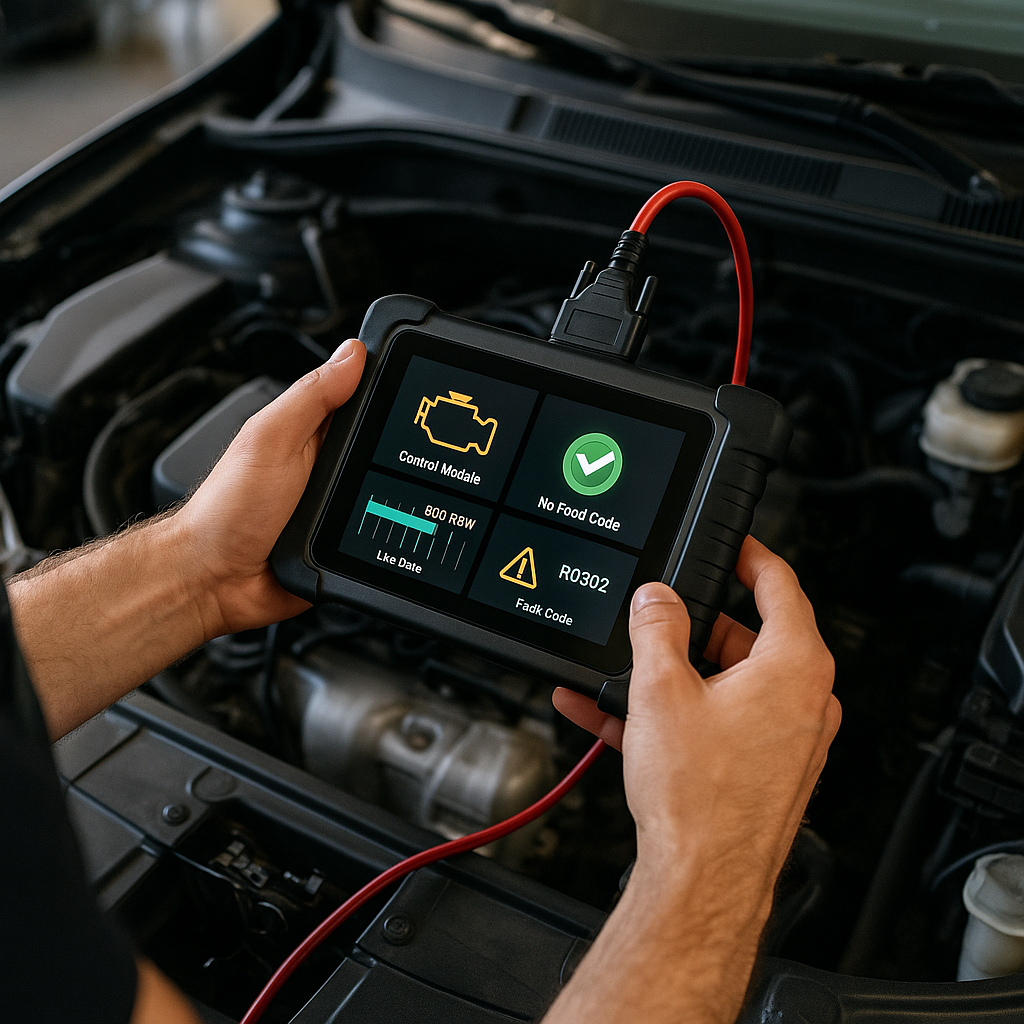
The scanner connects to the OBD-II (On-Board Diagnostic) port, a universal standard found in virtually all cars manufactured after 1996. This connection allows the device to communicate directly with the engine control unit (ECU) and other vehicle electronic modules. When you activate the scanner, it interrogates the car system and receives a series of data in real time.
The transmitted data includes sensor readings, temperatures, pressures and the operation of critical components.The scanner interprets this information and translates it into understandable language, showing defect codes (DTCs) that help identify specific problems.You do not have to be mechanical to use these tools, as many modern scanners explain the codes in an accessible way.
What Problems Can the Scanner Reveal About Your Vehicle
One of the most common findings is the detection of faults in the gas emission system.If the catalyst is defective or the oxygen sensor is malfunctioning, the scanner will immediately identify. These problems affect both the performance of the car and fuel economy, often causing the engine check light to turn on the dashboard.
Electrical problems are also easily revealed by a competent scanner. Battery failures, alternator or faulty wiring generate specific codes that help you locate exactly where the problem is. You thus avoid unnecessary expenses with random part changes and can focus on the repair that really needs to be done.
The automatic transmission system provides an impressive amount of information through the scanner.Solenoid faults, low oil pressure or clutch problems are detected long before they cause a complete vehicle breakdown. This early detection can save thousands on larger repairs that would be required if the problem evolved unchecked.
Defective sensors usually represent a large portion of the problems that a scanner can point out. The MAF (air flow) sensor, temperature sensor, speed sensor and dozens of other electronic components are monitored constantly. When any of them begins to fail, the system records this abnormality and the scanner displays it to you.
The Difference Between an App Scanner and Dedicated Tools
Choosing between a smartphone scanner app and a dedicated scanner is an important decision that impacts the quality of the information you will get. Apps like OteApp offer accessibility and convenience by allowing you to connect a Bluetooth adapter to your car’s OBD-II port and access the data directly from your mobile phone. This approach democratizes access to vehicular diagnosis, making it accessible to any owner.
However, you need to understand the limitations of apps compared to professional scanners. Most apps only work with standardized diagnostic codes, while dedicated tools can access deeper data and proprietary manufacturer code.This means that an app may indicate a general problem, but may not be able to provide the level of detail a professional mechanic would need for an accurate diagnosis.
OteApp, for example, works well for basic monitoring, reading common codes, and tracking overall engine health.You can tell if the check light came on from a faulty EGR valve or a fuel sensor issue. However, for advanced diagnostics, access to complex real-time data, or resetting manufacturer-specific codes, a dedicated scanner is still superior.
The cost issue also enters the equation significantly. An app scanner with Bluetooth adapter costs between fifty and two hundred reais, while a professional quality dedicated scanner can cost between five hundred and a few thousand reais. You must assess your real needs: if you just want to monitor the car and identify basic problems, an app is enough; if you work with vehicles or perform repairs often, the investment in dedicated equipment is justified.
What to Look For When Choosing Between Different Scanner Options
Compatibility is the first criterion you should check when choosing a scanner. Not all apps work with all adapters, and not all adapters are compatible with all cars. Before you buy, confirm that the product is compatible with the make, model and year of your vehicle, and check that it works on both iOS and Android, if this is a concern.
The user interface makes a huge difference in your experience. An app with confusing interface or in another language can frustrate you quickly.Search for options that translate error codes into clear language, show real-time data graphs in a readable way and allow you to store diagnostic history for later comparison.
Features vary widely between options. Some apps are limited to just reading and clearing error codes, while others offer access to real-time data, measurement history, parameter comparison, and even access to operating charts.The more complete the tool, the more knowledge you will gain about the actual state of your vehicle and can make more accurate diagnostics.
Customer support and regular updates are aspects you should not neglect. A tool that has not received updates for months may stop working with new car models or lose compatibility with new versions of your phone’s operating system.
Practical Use Cases: When to Use an Automotive Scanner
Imagine that the engine check light has turned on your dashboard, but the car is running normally and you do not feel any difference in behavior. Most people find themselves forced to immediately go to a workshop, where they can be charged only for diagnosis, even without repairing anything. With an app scanner, you read the error code at home and find out that it is a minor issue, such as a loose fuel cap, saving an unnecessary visit.
Another common scenario is when you buy a used car and want to know the history of vehicle problems. A scanner reveals all the codes registered on the car’s computer, showing which repairs were made or not, which systems have had recent problems. This information helps you to better negotiate the price or decide whether you really want to buy that vehicle.
You can also use a scanner to monitor the health of the car regularly, in a preventive way. Reading the data every month, you identify trends, such as a sensor that is starting to fail before it causes greater damage. This proactive approach saves money in the long run, avoiding emergency repairs that are always more expensive.
When negotiating a repair in a workshop, having scanner data on hand puts you in a stronger position.You are not only basing the conversation on sensations or verbal reports, but on concrete technical data.This reduces the chance of being charged for unnecessary repairs or ignoring real problems that need immediate attention.
Comparing Features: App Scanner Versus Scanner Professional
Apps like OteApp shine when it comes to portability and ease of use. You carry the tool in your pocket, you just need a small adapter and can diagnose the car anywhere. A dedicated scanner, even portable, is even bigger, heavier and requires its own battery or additional power. For the average owner who just wants to know what is happening with his car, the app is a practical and economical solution.
However, when you need professional-level diagnostic accuracy, dedicated scanners offer clear advantages.They access proprietary manufacturer data, can reset specific codes, allow reprogramming of modules, and offer actionable tests that apps often do not have. If you are a mechanic or work with multiple vehicles, investing in dedicated equipment is a must.
The frequency of use should influence your final choice.If you will use the scanner once or twice a year for spot checks, one app is more than enough and saves you from investing in something that will be stored in the garage.If you often work with cars or do regular maintenance, a dedicated scanner offers much faster return on investment.
Historical and statistical data also differ significantly. Apps like OteApp allow basic tracking, but professional scanners offer advanced trend analysis, detailed graphics and the ability to export data for further analysis.You can study vehicle behavior over time and identify patterns that indicate gradual deterioration of components.
How to Properly Use a Scanner and Interpret Results
Before connecting any scanner, make sure to have your car manual handy or access to a catalog of diagnostic codes.Not all codes mean that something is disastrously wrong, some are just monitoring warnings that the car issues for you to be aware. Some codes may appear momentarily if the car was driven in extreme conditions or had a momentary failure that resolved itself.
When you connect the scanner, always start by clearing the history of previous codes, then drive the car normally for a few kilometers to allow the complete wheel self-diagnosis system.Only after this step will you get an accurate and updated reading. If no new code appears, the car has passed the self-diagnosis well, if codes resurface, you have a clear indication of a persistent problem.
When interpreting codes, always research the specific meaning.A P0420 code, for example, refers to a problem in the catalyst, but it can be caused by a faulty oxygen sensor, a locked EGR valve or actually a bad catalyst. An app scanner provides the general category of the problem, but you need to investigate further to understand the root cause.
Do not be afraid to use the data of the scanner for education.Every code you read, every parameter you monitor, teaches you more about how your car works.Over time, you develop intuition about when a reading is normal or worrisome, when a code is critical or can wait. This knowledge makes you a more informed and capable owner.