Automotive Scanner App: Quick Diagnostics
Announcements
Many vehicle owners still believe that vehicle diagnosis needs to be done only in specialized workshops, with expensive equipment and waiting hours.The reality has changed a lot with the arrival of automotive scanner applications, which have democratized access to technical information of your car.
Announcements
You can now identify problems in your vehicle in seconds, without spending a fortune on consulting. In this article, we will demystify the universe of automotive scanner apps, separating myths from truths, and showing how these tools work in a practical and accessible way for any driver.
What is an automotive scanner app?
An automotive scanner app is an application that connects to the diagnostic module of your vehicle to read the fault codes stored on the onboard computer. It works as an intermediary between you and the car’s electronic system, translating technical information into understandable language. Most of these applications use a Bluetooth or USB adapter that you plug into the OBD-II port of your vehicle, usually located below the instrument panel.
The process is simple: you download the app, plug in the adapter, open the app and receive a full report on the health of your car. Some more advanced apps provide real-time data such as engine temperature, speed, fuel consumption and even suggestions for preventive maintenance. The technology behind it is based on the OBD-II standard, which since 1996 is mandatory in all cars sold in the United States and subsequently adopted virtually everywhere in the world.
Myth: any scanner app solves any car problem
This is one of the biggest confusions among users: believing that a single app can diagnose all your vehicle problems with absolute perfection.The truth is that there are important limitations that you need to know. Apps only read the fault codes stored in the electronic control module (ECU), which means that pure mechanical problems, such as tire wear, expired oil or worn distribution belt, do not appear in the scanner.
In addition, different vehicle brands use proprietary diagnostic systems, which means that not all apps work perfectly on all cars. An app that works great on a Fiat may have limitations on a Volkswagen or an imported vehicle. You will also find variations between models and years of manufacturing, as manufacturers constantly update their diagnostic systems.
True: scanner apps save time and money on initial queries
When the warning light turns on the dashboard of your car, you panic and run to the workshop, where the mechanic charges a diagnostic fee that can range from R $ 100 to R $ 500. With an app scanner, you discover the fault code in minutes, saving this initial fee and gaining information for a more productive conversation with the professional. Many drivers report that this savings already compensates the investment in the adapter and the app in a few uses.
In addition to the economy, you gain autonomy and information. Instead of staying in the hand of the mechanic without knowing exactly what the problem is, you come to the workshop with accurate data about the fault code, which allows you to discuss the problem more consciously. You can even look for the most common causes of that specific code on the internet and make a preliminary diagnosis, better understanding what the professional is explaining. This information significantly reduces the chance of being charged for unnecessary repairs.
Myth: scanner apps are impossible to use for laypeople
Many people believe that reading an automotive scanner requires advanced knowledge of mechanics or electronics. The truth is quite different, and this is one of the biggest reasons why these apps have exploded in popularity in recent years. Modern apps have been developed exactly to be intuitive, with friendly interfaces that show visual information, colorful graphics and explanations in simple language. You do not need certification to use a basic scanner, only a smartphone and an adapter.
The steps are straightforward: plug in the adapter, open the app, let it connect for a few seconds, and receive a visual report showing if there are problems. Many apps include integrated dictionaries of fault codes, explaining in Portuguese what each code means and what are the most likely causes. Some even offer tutorial videos and user communities where you can ask questions. This democratization of technical information has transformed access to vehicle diagnostics, making it accessible to anyone who has a smartphone.
Truth: different scanner apps have very different functionalities
When you start searching for automotive scanner apps, you quickly find that there is no single standard. Some apps are free but with limited functionality, while others charge monthly subscription for full access to advanced features.The difference between them is substantial and deserves your attention before choosing which one to use. Basic apps usually read only the fault codes and delete error messages, while premium versions access real-time data, event history and even suggestions for custom maintenance based on your usage pattern.
You’ll also find differences in adapter brand compatibility, connection speed, read reliability, and customer support quality. Some apps are developed by specific adapter manufacturers, which means they work perfectly with your hardware but may have limitations with others. Other apps are universal, but there may be incompatibilities with certain older or newer vehicles.The recommendation is to read user reviews with the same car model you own, check explicitly listed compatibility, and start with free versions before paying for premium plans.
Myth: a mobile phone scanner completely replaces a professional diagnosis
This is the most dangerous myth, and you need to clearly understand where the capability of an app scanner ends and where the need for an experienced professional begins. A smartphone scanner is a fantastic tool for identifying fault codes, but many vehicle problems require contextual analysis, additional testing, physical verification of components and specialized knowledge that an algorithm cannot provide. A fault code such as P0300 (random misfire) can have ten different causes, from worn spark plugs to engine compression problems, and determining what the root cause requires professional skill.
The scanner app is best thought of as a first line of research, a starting point for an informed conversation with a mechanic. If your car is making strange noises, exhibiting abnormal vibrations or behaviors that the scanner cannot fully explain, you need a professional diagnosis.Specialized mechanics have more sophisticated tools, access to brand-specific service manuals, equipment for pressure and flow tests, and accumulated experience that no app can replicate. The combination of a mobile scanner with a professional diagnosis, however, is the most intelligent and cost-effective approach.
True, Bluetooth adapters are more practical than wired ones
If you are considering buying an automotive scanner, you will find two main types of adapters: those that connect via wired USB and those that use Bluetooth wireless. Bluetooth adapters have won the preference of ordinary users because they offer unmatched practicality, allowing you to leave the adapter plugged permanently into the OBD-II port and connect your mobile phone from anywhere within a few meters. You do not need to charge cables, do not worry about messy wiring under the dashboard, and can check the status of your car even while inside it.
Wired adapters still have their uses, especially for professionals who need to work on multiple cars daily or for those who want maximum compatibility with old computers. However, for the average owner of a vehicle, Bluetooth is superior. Prices have dropped significantly in recent years, making Bluetooth adapters accessible to almost any budget. The battery of these adapters lasts months without recharging, they are small and discreet, and the connection is stable enough for reliable data reading. This practicality explains why many scanner apps have come to focus exclusively on supporting Bluetooth adapters as a standard option.
Myth: automotive scanner reading is always 100% accurate
You may believe that a scanner provides accurate and indisputable data about the state of your car, but reality includes margin of error and variation. The data the app reads is information stored in the electronic control module, which depends on sensors scattered around the vehicle. If a sensor is starting to fail, it can send inaccurate signals that result in intermittent or confusing fault codes.In addition, electrical problems, such as poor contact in the connectors or bare wire, can cause incorrect readings that resolve on their own without real mechanical intervention.
A fault code does not necessarily mean that that component is broken, but rather that the system has detected a condition outside the expected parameters. A faulty spark plug can generate the same code as a dirty injector, or even a problematic oxygen sensor. The scanner app identifies that something is wrong, but determine exactly what requires additional analysis. So when you receive a fault code, see it as an indicator, a direction for investigation, and not as a definitive diagnosis. Many problems “diagnosed” by app scanner turn out to be much less serious when a professional investigates properly.
Truth: deleting fault codes without solving the problem is common and unnecessary
One feature offered by virtually all scanner apps is the ability to clean or erase the fault codes of the car computer. Many owners do this thinking that they “solve” the problem, when in fact they just masked the symptom. Erasing a code without correcting the underlying cause means that the fault is likely to reappear within days or weeks, often worse than before.If you delete an emissions system-related fault code, for example, but do not fix the actual problem, your car’s catalyst can suffer irreversible damage, costing thousands of dollars in repairs.
Use the cleanup function only after you have completely solved the identified problem, such as confirming that the repair worked. Before that, use the app to document the code, research the most common causes, fix the problem, and then clean the code as a final part of the process. This approach ensures that you are not only masking problems, but actually solving them. Many honest mechanics appreciate when a customer arrives with clear information from the scanner, exactly because it facilitates correct diagnosis and avoids unnecessary repairs based on assumptions.
Myth: all scanner apps work on any car manufactured after 1996
Although the OBD-II standard has been mandatory since 1996, this does not mean that all apps work universally on all cars. Manufacturers such as Ferrari, Porsche, BMW and Mercedes-Benz have implemented additional layers of protection and proprietary systems that limit access to generic diagnostic tools.In addition, different regions (Europe, United States, Asia) have implemented variations of the OBD-II standard, and not every app can cope with all variations. An app that works perfectly on a Goal may have difficulties with an imported Audi or Hyundai.
You will also find differences depending on the year of manufacture of your vehicle. Very old cars that were manufactured soon after 1996 may have primitive implementations of OBD-II that cause incompatibilities.On the other hand, ultra-recent vehicles with complex electronic systems may require advanced communication protocols that not every app offers. Before investing in a scanner, explicitly check on the developer’s website or user reviews whether it is compatible with your specific model, year of manufacture and region. This prior check saves frustration and money.
Real-time monitoring is a valuable but demanding resource
One of the most impressive features offered by the most advanced scanner apps is the real-time monitoring of your engine parameters. You can see engine temperature, speed, fuel consumption, engine speed, fuel pressure and dozens of other data while driving. This is technically amazing and can be useful for understanding your vehicle’s operating patterns.However, real-time monitoring is demanding in terms of processing and can overload your smartphone, especially older models or with little RAM available.
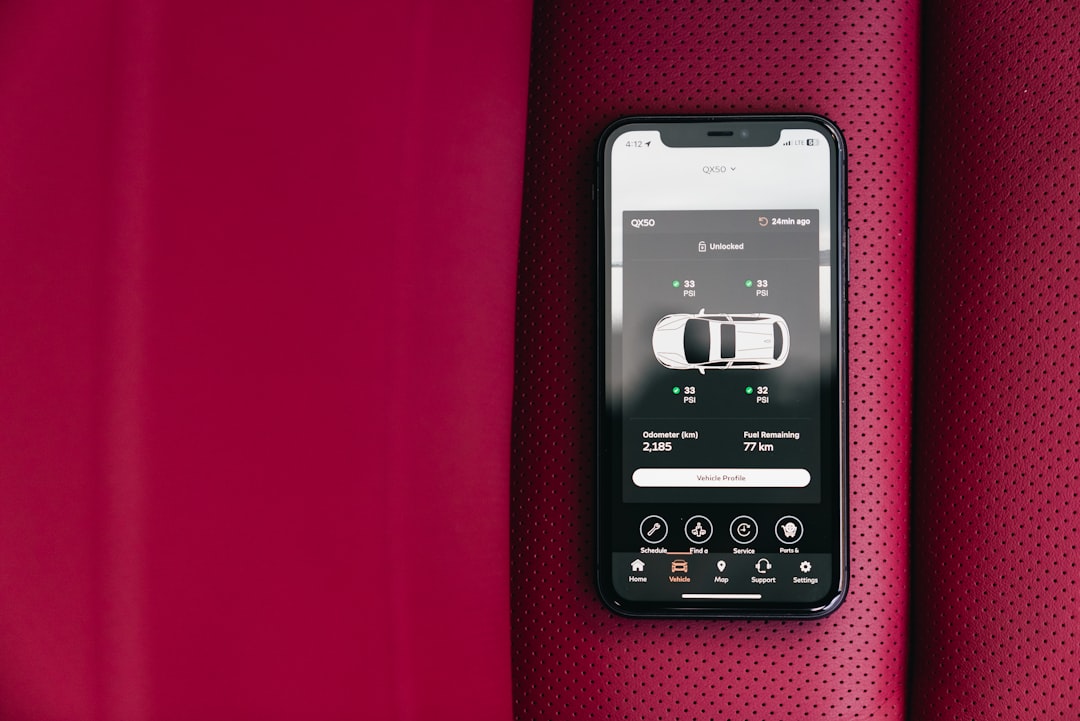
If you plan to use real-time monitoring regularly, consider using a dedicated smartphone or leave the main device with enough free space and unnecessary applications closed. In addition, the amount of data viewed simultaneously can be confusing if you do not have technical knowledge about what each parameter means. For most ordinary owners, the ability to read fault codes and see some basic parameters is more than enough. Reserve real-time monitoring for when you are stopped or when you suspect a specific problem, not for continuous use during regular driving.
Myth: a scanner adapter is an investment that lasts forever without maintenance
Many people buy a scanner adapter thinking that it is a one-time, definitive purchase that will last forever. The reality is that adapters, especially Bluetooth, have limited service life and can fail for various reasons. Internal batteries degrade over time, especially if the adapter is constantly plugged into a vehicle in hot weather, significantly reducing the duration of charge. Metal connectors can oxidize or corrode by engine compartment moisture, impairing the quality of the connection.In addition, software updates on smartphones can make some older adapters incompatible.
To extend the life of your adapter, unplug it when not using, store it in a dry place, and consider recharging it monthly even if not being used, to keep the battery healthy. If you are considering a scanner adapter, look at it as an investment with durability of a few years, not as something permanent. Prices have dropped a lot, so even if your adapter eventually fails, replacing it is an affordable financial decision, especially considering how many times you have already saved on workshop diagnostics.
Truth: quality varies dramatically between different brands of adapters
It’s not just the app that matters, the adapter also makes a huge difference in the experience you’ll have. Adapters from unknown brands, often found in marketplaces at very low prices, may work occasionally but have unstable connection problems, frequent disconnections while reading, or corrupted data that generate false readings. Investing in a respected brand adapter, even if it costs a little more, means better stability, wider compatibility, customer support and durability.
Consolidated brands like Viecar, Bafx Products and OBDLink have solid track records of reliability, and their reviews on sales platforms reflect this. You will find detailed reviews from real users explaining how the adapter behaved in their specific model, which app works best with it, and whether it is worth the investment. This information is gold for your decision.Pay a little more for a reliable adapter now, and you will have months or even years of accurate diagnostics without frustration.
Myth: you don’t need to understand anything about code to use a scanner
While it is true that modern apps translate code into plain language, understanding at least the basics of how codes are structured makes the experience much more productive. OBD-II fault codes follow a specific pattern that provides information about the category of the problem just by looking at the first character. Codes starting with P refer to the engine and transmission, C codes refer to the chassis, B codes refer to the body of the vehicle, and U codes refer to the vehicle communication network.
Knowing this helps you quickly understand whether a code is critical or minor, whether it affects performance or only emissions, and whether it is safe to drive the vehicle or whether to seek a mechanic immediately. A P0320 code (engine rotation sensor) is far more serious than a P0420 (inefficient catalyst), and the app cannot communicate urgency properly if you do not understand this distinction. Investing a few minutes learning the OBD-II code system turns you from a passive user of an app to someone who truly understands what your car is communicating.
Truth: integration with maintenance applications increases scanner value
The best automotive scanner apps don’t work in isolation, but integrate with other vehicle maintenance apps you may be using. They sync history data, connect the fault code with preventive maintenance suggestions, and help you track repair expenses over time. Some apps even offer automatic mileage or time-based reminders, alerting you when it’s time to do routine maintenance like oil change, air filter, or brake inspection.
This integration turns a diagnostic scanner into a reactive one into a proactive maintenance tool, significantly increasing the value you extract from it. You not only identify problems when they arise, but also prevent future problems by keeping records of the entire history of your vehicle. When it’s time to sell the car, this well-documented history adds value by demonstrating that the vehicle has been properly maintained. If you’re choosing between two similarly advanced scanner apps, consider which offers better integration with complementary maintenance tools.
Myth: the most expensive app is always the best
There is a widespread belief that you get what you pay for, so the most expensive app should be the best. Reality is more nuanced and often you pay more for marketing and features you will never use. An average car owner rarely needs access to advanced proprietary data, predictive failure analysis, or multilingual support in 30 languages.Often, a mid-priced app offers exactly what you need, with good interface and decent support, for a fraction of the price.
The best strategy is to identify exactly what features you will actually use, research which apps offer these features, and then compare prices and reviews among the options that meet your criteria.Start with the free version or trial version if available, make sure it works well with your specific car, and only then invest in a subscription or paid app. This way, you do not pay for features you do not need, saving money without sacrificing quality where it matters.
Truth: support for multiple communication protocols is essential for broad compatibility
Although all cars since 1996 have the OBD-II port, they do not communicate in the same way. Different manufacturers have implemented different communication protocols, and a truly versatile app needs to support several of them. The most common protocols are ISO 9141-2, KWP2000, CAN, and J1850 VPW, among others. An adapter or app that supports only one or two protocols will have serious limitations depending on the brand of your car.
European cars often use ISO or KWP, American cars often use J1850, and newer cars from all regions tend to use CAN. When you are choosing an adapter or scanner app, explicitly check which protocol your car uses and make sure the product supports this protocol. An adapter that supports multiple protocols offers greater flexibility and compatibility, being better long-term investment if you plan to use in different cars or if you plan to keep your car for many years as technologies change.
Myth: erasing fault history improves car health
There is genuine confusion among drivers about what it means to erase history of faults in the scanner. Some believe that cleaning this data magically improves the health of the vehicle or solves problems. The truth is that deleting history is only removing information from the car computer, it does not affect absolutely anything about the physical operation of the vehicle. It is like erasing error logs from your computer, solving the visible error message but not the problem that caused the error.
The only legitimate benefit of clearing history is to start from scratch to determine if a problem has been resolved by testing whether the code reappears after repairs. Otherwise, leave the history alone, or better yet, document it as a reference. Some unscrupulous sellers erase fault history before selling used cars to hide chronic problems.This is a serious problem because buyers do not know that the car has a history of recurring failures. If you are buying a used car, insist on access to a scanner to check the complete history of failures before closing the purchase.
True: cloud diagnostic data offers practical advantages and privacy concerns
Some advanced scanner apps save your diagnostic data in the cloud, offering advantages such as remote access to your car history, automatic data backup, and deeper analysis using server processing.You can check information about your car from anywhere with the internet, share data with a mechanic securely, and even receive push notifications about detected problems.
However, cloud storage introduces legitimate concerns about data privacy and security.Your diagnostic data includes location, driveability patterns, and sensitive technical information about your car. You should carefully read the app’s privacy policy to understand exactly what data is collected, how it is stored, who has access, and how it can be used. Some apps sell aggregated data to car manufacturers or insurers, which may affect your insurance premium or other factors. Balance convenience with privacy, and use cloud storage only if you fully trust the app and its developers.
Myth: you need certification or formal training to use a scanner
Certainly, professional mechanics receive extensive training to diagnose complex problems, but you do not need certification to use a basic scanner as a car owner.The knowledge required is much less and can be acquired in a few hours of reading and experimentation.Most apps include integrated tutorials, online communities of users willing to help, and free resources on how to interpret fault codes.
You can start by buying an adapter compatible with your car, downloading a reputable app, and experimenting at home, reading some fault codes just to get acquainted with the interface. There is no risk in exploring, since just reading data does not change anything in your vehicle. After a few attempts, you will gain confidence and easily understand what the fault code is when a problem arises. This autonomy is exactly why scanner apps have exploded in popularity, removing barriers that historically have kept technical information unique to professionals.
Truth: regional regulations may limit some apps’ functionality
Depending on where you live, some scanner app functionality may be restricted by law or regulation. In Europe, for example, protecting diagnostic data is stricter because of GDPR privacy laws.This means that European apps often have different functionality than American apps, even if the OBD-II protocol is identical. In addition, in some regions, modifying vehicle data through a scanner, such as erasing fault history, may have legal implications linked to fraud or odometer change.
When you are choosing an app scanner, make sure it is legal and fully functional in your region. An app that works perfectly in the US may have features disabled in Brazil or Europe. Read local usage policies and regulations to avoid surprises. This consideration is especially important if you plan to use the scanner for commercial purposes or are considering selling your car.