AI Hairstyle Simulator: Mistakes to Avoid
Announcements
You are thinking about changing your look, but are afraid to leave home and regret. A hairstyle simulator with artificial intelligence can solve this dilemma, but you need to know the common mistakes that compromise the results.In this article, we will show you how to use these tools effectively.
Announcements
Hair simulation technology has evolved a lot in recent years, transforming the way people experience cuts and styles before committing. You no longer need to rely solely on reference photos or the intuition of the barber to make this important decision.
What is an AI Hairstyle Simulator
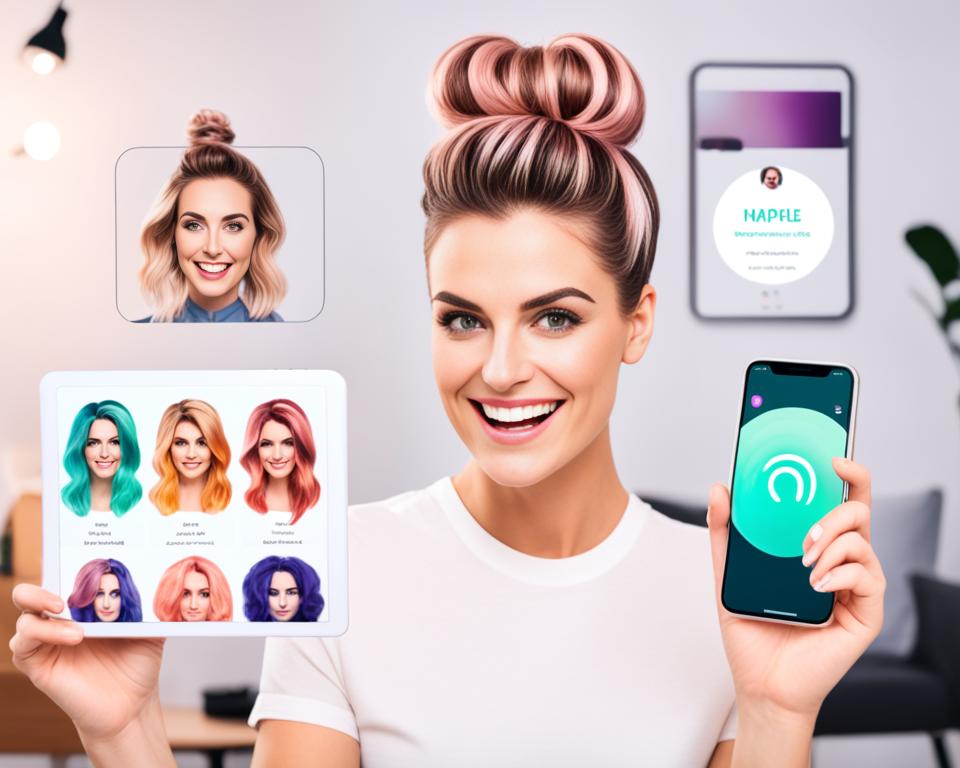
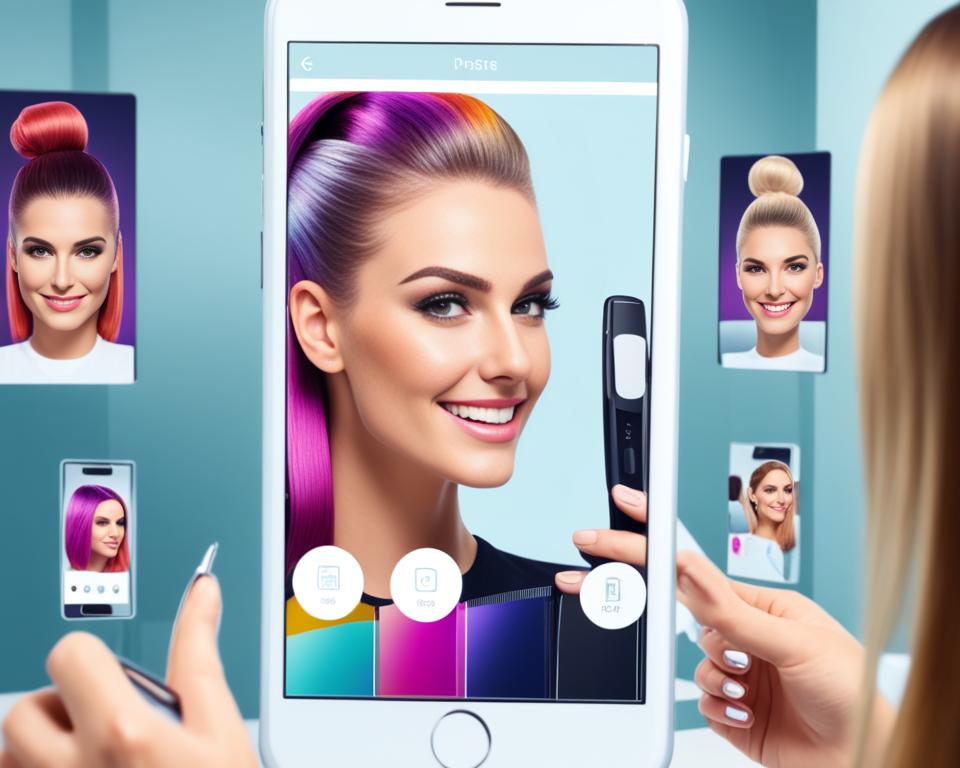
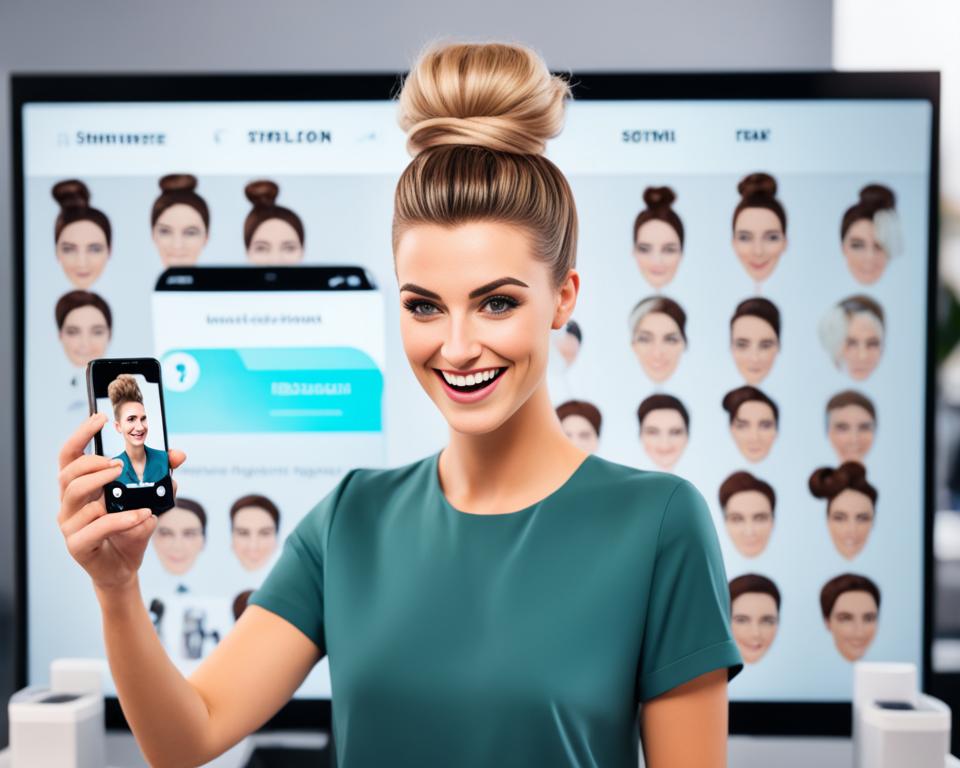
An AI hairstyle simulator is an application that uses artificial intelligence to visualize how different cuts and styles would look on you before going to the salon. You upload a photo of yourself and the technology processes your image, applying various hairstyles digitally so that you see the end result. This tool relies on image processing algorithms and machine learning to calculate proportions and adapt styles to your hair type, face and physical structure.
The technology behind these simulators involves facial recognition, hair texture analysis and three-dimensional mapping. The application identifies features such as face shape, current hair length and hair density, using this data to render the changes realistically. Some of the best simulators can even simulate how the hair would move in real situations, taking into account the gravity and physical properties of the strands.
Mistake 1: Using Low Quality or Poorly Illuminated Photo
The first mistake you can make is uploading a bad photo into the simulator. The quality of the input image determines the accuracy of the final result, as the AI needs a clear capture to analyze your facial features correctly.If you use a blurry photo, with uneven shadows or taken with a low-resolution camera, the simulation can generate distorted or inaccurate results.
For best results, take a photo from the front, in a well-lit place, preferably with natural light. Avoid backlight, very intense fluorescent lights or very dark environments, as this impairs facial detection. Position yourself at a distance of 30 to 50 centimeters from the camera, keeping the face fully visible and centered in the frame. Take several photos and choose the clearest and most well-defined.
Mistake 2: Not Considering Your Facial Structure
Many users overlook the fact that not every cut looks good on every type of face. You can fall in love with a hairstyle you see in the simulator, but if this style does not match your face shape, the practical result will be disappointing.The AI simulates the visual appearance well, but you need to have basic knowledge about which styles favor your facial features.
Round faces look better with cuts that stretch the face, such as long nibs or taller hairstyles.Square faces gain smoothness with cuts that smooth jaw lines, such as shredded wires or graduations.Heart-shaped or diamond-shaped faces benefit from volume on the sides and longer length.When using the simulator, test various styles and note which ones work best with your facial geometry, not just which ones you found visually appealing.
Mistake 3: Ignore the Type and Texture of Your Hair
The visual simulation does not completely reflect how your actual hair will behave after the cut. You can see a beautiful result in the application, but if your hair is curly, wavy or very thin, the way the cut will present itself in everyday life will be completely different. The AI can map certain aspects of the texture, but cannot accurately predict how actual strands will behave after the cut.
If your hair is too curly, for example, very short cuts or too much definition may seem uncontrolled when you get out of the shower. If it is thin and fragile, very shredded cuts can leave the hair wilted. Before deciding on the simulator, research how your specific type of hair behaves with different cuts. Talk to your hairdresser about its texture and ask for suggestions of styles that really work for you, then use the simulator to view these recommended options.
Error 4: Do Not Take Proportional Length into account
You may fall in love with a much shorter cut than you have ever had, but overestimate or underestimate the impact of this change.When you significantly reduce the length of the hair, the ratio with its height and shoulder width changes dramatically.The simulator shows the look, but you may not be prepared psychologically for such a huge transformation.
If you have long hair for many years, going for a very short cut is a radical change that can affect your self-esteem and comfort in everyday life. A safer strategy is to make transitions gradually, cutting a few centimeters at a time and seeing how you feel. Use the simulator to explore intermediate versions of the cut, not just the ideal end result. This helps you make a more conscious decision and better adapt to the new image.
Mistake 5: Underestimating the Importance of Color and Finish
Many simulators focus mainly on the shape of the cut, leaving the color and finish in the background. You can simulate a perfect cut, but do not take into account that changing the color of the hair or doing a specific treatment can completely change the perception of the final result. A coloring or a straightening procedure, for example, can make the same cut look totally different.
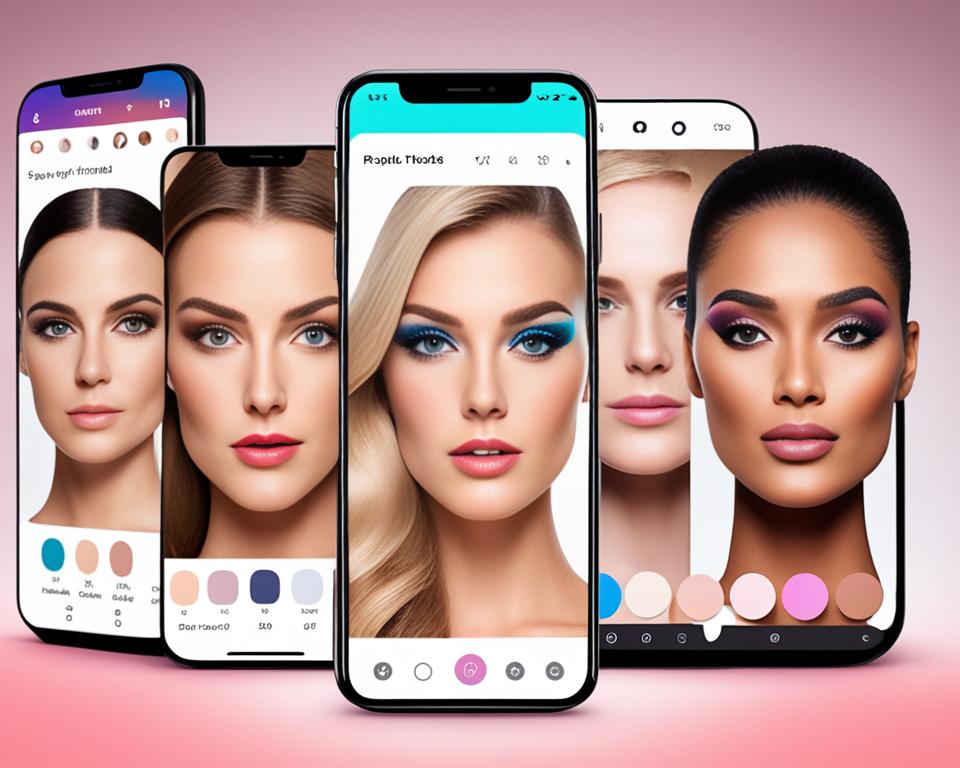
If you are planning to mess with the hair color along with the cut, use the simulator in an integrated way with this decision. Some more advanced applications allow you to simulate different colors, but even then, the combination between cut, color and final texture only gets really clear when you are in the salon with a professional. Talk to your hairdresser about how the color and finish will interact with the cut you chose in the simulator.
Mistake 6: Confusing Simulation with Absolute Reality
This is perhaps the most serious mistake: believing that the result of the simulator will be exactly the same as the result you will have in the salon. The AI is very good, but it is not perfect, and there are real-world variables that no application can fully predict. Your hairdresser is a person with years of experience, and this human expertise makes a difference in the practical execution of the cut.
The quality of the scissors, the technique of the hand, the knowledge of the professional about how your specific hair behaves, all this influences the final result.In addition, the way you style the hair at home, how you take care of it and even environmental factors such as humidity and temperature affect how the cut looks. Use the simulator as a reference tool and communication with your hairdresser, not as a guarantee of identical result.
Real Benefits of AI Hairstyle Simulator
Despite the mistakes you can make, AI hairstyle simulators offer real and significant benefits when used correctly. The biggest benefit is the confidence you gain before making an important hair change. You can try dozens of different styles in a few minutes, eliminating the risk of impulsively regretting it.
The simulator also works as an extraordinary communication tool between you and your hairdresser. Instead of trying to verbally describe the cut you want, you show exactly how you imagine your appearance. This dramatically reduces disagreements and ensures that you and the professional are on the same page before starting the procedure. Many modern salons already use similar technology in their care.
Another practical benefit is to save time and money in the long run. You avoid impulsive cuts that you hate and need to correct, or dyes that come out different from expected. When you use the simulator to make more conscious decisions, your investments in hair changes tend to be more satisfying and durable. You are more sure of your choice before committing time and financial resources.
How to Use the Simulator Strategically
To get the most out of the simulator, create a strategy before you start. First, collect references of cuts that you find beautiful in magazines, social networks or fashion sites. Look for images of people with facial structure similar to yours, as this increases the chances of the result being satisfactory. Save these references and use the simulator to visualize how these styles would look specifically on you.
Then test each style in the simulator at different angles and perspectives. Observe not only the front, but how the cut stands on its side and back. Some simulators offer 360-degree viewing or the possibility to rotate the image to see all angles. This is crucial because you will see the result from multiple perspectives on a day-to-day basis, not just from the front.

Write down your three favorites and take these images for a consultation with your hairdresser.Show the simulations and ask for professional opinion on which ones best suit your hair type, facial structure and lifestyle. A good professional can suggest adaptations that make the cut more practical or more appropriate to your specific characteristics. This combination of technology and human expertise produces the best results.
Advanced Features in Modern Simulators
Hairstyle simulators constantly evolve, adding new features that make the experience more realistic and useful. Some applications now allow you to visualize how the hair would be moving, simulating different angles of light and even how it would behave on days with high humidity. This technology increasingly approaches reality, offering a more reliable preview of the final result.
There are also simulators that include automatic recommendations based on artificial intelligence. You provide information about your hair type, your personal style and your preferences, and the AI suggests cuts that suit you. These suggestions are based on analysis of data from millions of people, making the recommendations more accurate and personalized. You can then explore these suggestions in the simulator and refine your choice.
Some of the best simulators also integrate feedback from the community. You see comments from others who have made similar cuts, with photos of the actual results. This offers a realistic perspective of how the cut looks in practice, complementing the digital simulation with real-world evidence.
The Role of Specialized Applications
Applications dedicated to hair simulation offer a more complete experience than filters or generic tools. A good application allows fine adjustments in length, graduation, volume and other details of the cut. You can vary subtleties that make a big difference in the final result, such as how much shredded to apply or how to set the fringe. This granularity in the control makes the simulation much more accurate and useful.
The best apps also offer access to an extensive catalog of cuts and styles, from classic options to the most modern trends. You have the freedom to explore unknown territories safely, testing styles that you would never normally try without the previous view. This expands your possibilities and helps you discover looks that you did not even know matched you.
In addition, dedicated applications often have better technical performance in terms of color accuracy, textures and overall realism.They were developed specifically for this purpose, with teams of programmers and designers working to perfect every detail.The user experience is also generally superior, with intuitive interface and clear guidance on how to get the best results.
Preparing for Consultation with Hairdresser
After using the simulator extensively and choosing your favorite cut, prepare well for consultation with your hairdresser. Take the simulator images printed or on the mobile, so that the professional can evaluate your choices. But equally important is to get open to suggestions, as the hairdresser can see things you do not see in the simulation. He knows techniques, current trends and possibilities that an algorithm may not consider.
Have an honest conversation about your hair routine and your lifestyle. If you do not have time to style your hair every day, some cuts may not be practical for you. If you travel often or spend a lot of time in humid environments, the texture of your hair may be more prone to frizz. The hairdresser can adapt the cut you have chosen so that it is more functional and suitable for your real life.
Ask also about the maintenance of the cut. Some styles require frequent retouching cuts to maintain shape, while others grow elegantly. If you do not want to make very frequent cuts, choose a style that ages well. This practical information complements the visual simulation and ensures that you are satisfied not only on the day of the cut, but also in the following weeks.
Dealing with Realistic Expectations
One of the biggest challenges when using simulators is managing your expectations. AI can generate beautiful and perfect images, but reality includes imperfections, variabilities and details that no algorithm can fully replicate.Your real hair has a life of its own, responds to environmental factors and may not look exactly like in the simulation, even if your hairdresser is excellent.
Remember that simulation is a help tool, not a promise of identical result. There are always variables that escape control: how you style your hair at home, how you take care of it, how many times you wash it per week, what products you use. All these factors affect the end result. The best approach is to use the simulator to eliminate the worst choices and leave a range of realistic options with your hairdresser, instead of fixing on the perfect result you saw on the screen.
If you tend to suffer from drastic changes, start with more subtle changes. Use the simulator to explore moderate versions of the change you want to make. Thus, you get a visible transformation, but keep a familiar anchor that makes you comfortable.Over time and after several successful experiences, you can get bolder and explore more radical changes with greater confidence.
Avoiding Psychological Traps
The simulator can create a false sense of certainty that leads you to impulsive decisions. You are watching the simulation of the new cut, you love the image and you feel an immediate excitement that can obscure more rational judgments. This is normal, but it is important to create a distance between seeing the simulation and making the final decision. Wait at least a few days, show the images to trusted friends and ask for honest opinions.
There is also the risk of harmful comparison.You see simulations of cuts in different people in the application or in examples from the internet, and begins to compare the result you will have with what other people achieve. Each person is unique, and a cut that looks beautiful on someone can have a very different visual impact on you. Keep the focus on yourself and on what suits your characteristics, your personal preferences.
Another psychological trap is the paralysis of choice. When you have hundreds of options of cuts to simulate, it is difficult to decide. You simulate one, then another, then another, and it is undecided. To avoid this, select only three to five options that you really like and work only with these. Compare these few options to each other until you reach a decision. Simplicity in this process reduces stress and makes the decision more satisfying.
Tracking Results and Learning
After you make the cut, track how it looks in different situations in real life. Take pictures of the result, in different angles and lighting conditions. Watch how the hair behaves when you wake up, when you stretch it, when it gets wet or dry. This tracking offers valuable data that you can use for future decisions about cuts.
If the result was very different from the simulation, try to identify why. Was it for differences in hair type? By technique?Why do you stretch at home?This information helps you improve the next time.You learn what works and what does not work specifically for you, becoming more experienced in interpreting the simulations. Each cut is a learning opportunity that makes you better at using these tools.
Share your feedback with the hairdresser too. If the cut came out different from the simulation, explain how. This information helps the professional to better understand your expectations and make adjustments on the next visit. A good relationship with your hairdresser, based on clear communication and honest feedback, is as important as any simulation. Work together to refine the result until you are completely satisfied.