Automotive Scanner App: Vehicle Diagnosis
Announcements
Have you ever stopped to think how many myths surround automotive scanner apps?The truth is that many people still believe that car diagnosis is only possible in a traditional workshop with expensive equipment.
Announcements
In this article, we will unveil the main myths and truths about vehicle error code reading applications, showing how these digital tools have become essential for modern drivers and fleet owners who seek economy and practicality in monitoring the health of the automobile.
What is an automotive scanner app
An automotive scanner app acts as an intermediary between your vehicle’s on-board computer and your smartphone or tablet, allowing you to read and interpret diagnostic error codes.These apps connect to the car via an OBD-II (On-Board Diagnostic) adapter, a small device that fits into the diagnostic port present in virtually all modern vehicles manufactured after 1996.
The main function is to access engine performance data, transmission, emission systems and other vital structures of the car, decoding messages that the vehicle computer constantly sends. When something is not working properly, the system generates a fault code that appears on the dashboard of your car, and that is precisely what the app can translate into understandable language for the average driver.
Myth 1: The app completely replaces the expert technician
This is one of the biggest misconceptions circulating among vehicle owners. The reality is that an automotive scanner app offers an initial and very valuable diagnosis, but it does not replace the technical knowledge of an experienced professional.The application can identify that there is a problem in the oxygen sensor, for example, but can not diagnose whether the problem is actually in the sensor, the cable, or a contact failure.
A specialized technician will use the app as a support tool, combining this information with their experience, knowledge of vehicle history and additional practical tests.The truth is that these apps have democratized access to information that was previously exclusive to workshops, but still rely on professional interpretation to generate effective action. You can use the tool to better understand what is happening with your car, but for complex cases, consultation with a specialist remains indispensable.
Myth 2: All apps work in any car
Many users believe that a single automotive scanner app solves the diagnostic problem in any vehicle, regardless of the make or model. In practice, there are significant variations between manufacturers, generations of cars and even between versions of operating systems of OBD-II adapters available in the market. Some apps work perfectly with low-cost Bluetooth adapters, while others require more robust adapters or USB connection.
Compatibility also varies by vehicle: asian cars generally respond well to most apps, but European vehicles like BMW and Audi often have more closed protocols that limit full access to diagnostic information.The truth is that you need to check the specific compatibility of the app with your car model before making any investment, consulting reviews and technical documentation available in the app stores or on the specialized websites that test these tools regularly.
Myth 3: Automotive scanner apps are all equal in functionality
There is a wide variation in quality and features among different applications available in the automotive scanner app market. Some offer only basic error code reading, while others allow real-time data visualization, fault history, engine performance charts, and even the ability to clear error codes from the vehicle computer.The price differences reflect these functional variations quite directly.
A free app may be enough for you to identify a simple problem and take the information to a workshop, but if you plan to regularly monitor your vehicle or work with fleets, you will need a premium application with more advanced features. The truth is that the choice of the ideal app completely depends on your usage profile and the specific needs of your car, requiring a careful analysis of the features offered by each available option.
Truth 1: Apps save time and money on preventive maintenance
Here we have an undeniable truth: regularly using an automotive scanner app allows you to identify problems in early stages, before they turn into expensive and dangerous situations. You can monitor critical systems of your vehicle proactively, detecting drops in engine efficiency or problems with sensors long before they cause complete failures. This preventive approach results in significant savings over time of car ownership.
When you detect an issue early through the app, you can take your car to a workshop with accurate information about what is wrong, which speeds up the professional diagnostic process and reduces the time required. Less workshop time means less labor expense, a concrete financial advantage that many vehicle owners soon realize. Companies that manage fleets of vehicles have already understood this benefit very well, using scanner apps to optimize the maintenance of dozens or hundreds of cars simultaneously.
Truth 2: Transparency and knowledge about your own vehicle
An automotive scanner app puts you in control and offers transparency about the actual health of your car, information that was previously unique to technicians and workshop managers. You can independently verify if there really is a problem or if I am facing an intermittent sensor failure that does not necessarily require immediate action. This personal investigation capability prevents unnecessary repairs and offers a legitimate sense of control over your assets.
When you understand diagnostic codes and what they mean for your specific vehicle, you become a much more informed consumer and less vulnerable to aggressive sales of unnecessary parts and services by less ethical workshops.The automotive maintenance education these apps provide is extremely valuable, allowing you to make decisions based on real facts rather than generic suggestions from technicians.
Truth 3: OBD-II technology continues to evolve and expand
Automotive scanner adapters and applications are constantly evolving, with new functionality being added regularly as vehicle technology advances.Learner vehicle models have more sophisticated diagnostic systems that enable much deeper analysis than was possible just a few years ago.App manufacturers compete for innovation, offering features such as artificial intelligence for imminent failure prognosis and cloud connectivity for aggregated analysis of fleet data.
The integration of automotive scanner apps with vehicle-to-everything (V2X) systems is just beginning, opening up possibilities for remote diagnostics and predictive maintenance that will completely transform how fleet owners and managers care for their vehicles.The clear trend is for these apps to become even more powerful and accessible, gradually expanding their capabilities to encompass dimensions that go beyond simple error diagnosis to include predictive analytics and personalized maintenance recommendations.
How to choose the right app for your needs
When selecting an automotive scanner app, start by checking compatibility with your specific vehicle, referring to the list of models and years supported available in the application description in the virtual stores. Read reviews from other users who have the same car model as you, as these practical experiences are much more valuable than generic descriptions of features. Also consider whether you prefer a free app with basic features or are willing to invest in a premium version with more advanced features.
Check which type of OBD-II adapter the app uses, as some work with cheap universal Bluetooth adapters found on ecommerce platforms, while others require specific and more expensive adapters.Test the user interface if possible, looking for an application that is intuitive and easy to use, especially if you have no previous technical experience. A good app should provide clear explanations of error codes in accessible language, not just using technical terms that would make the average user confused.
Essential features that every scanner app should offer
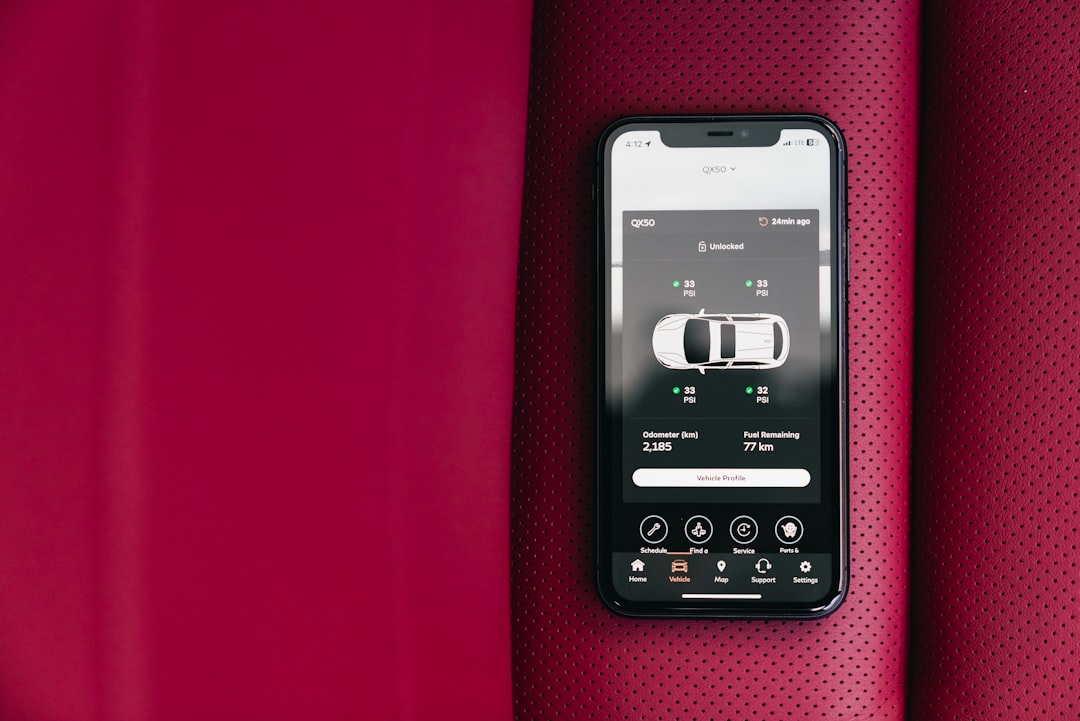
A quality automotive scanner application should allow clear reading of diagnostic codes (DTCs) with detailed explanations of what each code means and potential solutions.It should also offer the ability to view real-time sensor data, showing RPM values, engine temperature, fuel pressure and other critical parameters that help to understand vehicle performance.The function of viewing fault history is equally important, allowing you to track what problems have occurred over time.
The ability to delete error codes (where appropriate) is a highly valued feature by users who already identify and solve simple problems on their own. Some apps offer code-specific repair guides, connecting you to online tutorials or service manuals that make it easy to understand the steps needed. Additional features such as data logs for further analysis, performance charts and customizable alerts turn a basic app into a real professional automotive maintenance management tool.
Security and privacy when using scanner apps
By using an automotive scanner app, you are allowing the app to access sensitive data about your vehicle and potentially your location and driving habits. Check the app’s privacy policy before installing, paying special attention to how data is collected, stored and used by the developer company. Reputed apps do not sell your data to third parties and offer clear controls over what information is shared or synchronized with cloud servers.
Prefer apps that offer offline operation or that allow optional synchronization with the cloud, keeping your historical data locally on the device when possible. Download apps only from official sources such as Google Play Store or Apple App Store, avoiding alternative versions that may contain malware or modified code with malicious intentions. Keeping your smartphone updated with the latest security fixes is also crucial when you use apps that connect directly to your vehicle’s computer.
Practical use cases: when to actually use your scanner app
Use your automotive scanner app when the engine warning light comes on your dashboard, quickly plugging in to determine if it is urgent and requires an immediate stop or if you can wait until you reach the workshop. If you are considering buying a used vehicle, a scanner app can reveal error codes stored on the car computer, giving valuable tips on issues the seller may be trying to hide. Regularly use if it is under warranty, creating documented records of any problems identified for claim or coverage purposes.
For fleet managers, automotive scanner apps become indispensable optimization tools, enabling centralized monitoring of multiple vehicles and identification of maintenance patterns that can significantly reduce operating costs.Professional long-distance drivers can use the app to independently diagnose minor problems before arriving at service points, avoiding unnecessary stops and delays.
Honest limitations you should recognize
Not every car responds equally well to automotive scanner apps, especially older vehicles before 1996 that lack a standardized OBD-II port or luxury cars with highly proprietary systems that restrict access to information.Intermittent error codes or complex electrical problems often require diagnostic equipment that is much more sophisticated than basic apps can offer. An app can never completely replace a professional scan on dedicated equipment of the kind that authorized workshops use, especially for advanced systems diagnostics such as automatic transmission or traction control.
The quality of the Bluetooth connection between your smartphone and the OBD-II adapter can be inconsistent, causing data loss or misreading of values in some cases. Free applications often feature slow code database updates, and may offer outdated or incomplete explanations for newer vehicles.You also need to recognize that interpreting raw engine performance data without technical training can lead to wrong conclusions that result in unnecessary repairs, so always maintain a humble attitude to the limitations of what you can diagnose yourself.
Comparison: free app versus premium
Free automotive scanner apps offer basic functionality like error code reading, simple explanations, and the ability to clear code, enough for many occasional drivers who just want to understand what is happening when the warning appears.The downside is that free apps often include intrusive advertising, have less polished interfaces, and can have significant limitations in terms of real-time data or crash history. Many free apps are also supported by questionable business models that collect and sell user data to third parties.
Premium versions of automotive scanner eliminate ads, offer much superior professional interface, include dedicated technical support, and provide regular database updates with new code and expanded explanations.Advanced features like real-time data recording for later analysis, customizable performance charts, and integrations with maintenance applications make paid versions much more valuable for owners who use the tool regularly.For most vehicle owners, a well-chosen premium app pays quickly in avoided maintenance savings through proper preventive diagnostics.
Future of automotive scanner apps
The future of vehicle diagnostic applications points to deeper integration with connected vehicle systems, allowing these apps to access increasingly sophisticated information about automotive health and performance. Artificial intelligence and machine learning are being implemented to create predictive diagnostic systems that alert the owner of impending problems before they turn into real failures.5G connectivity will open up near real-time remote diagnostic possibilities where manufacturers and specialist workshops will be able to centrally monitor fleets or individual cars.
Cybersecurity will become increasingly critical as these apps gain access to more sensitive vehicle systems, sparking a race for more robust encryption and protection standards. Integration with charging systems for electric vehicles, battery monitoring and alternative propulsion systems will significantly expand the scope and importance of automotive scanner apps in the coming years.The clear trend is that these apps will evolve from simple code readers to full vehicle maintenance management platforms that will inform owners and professionals about every aspect of car health and performance.