
Rare Coins: Complete Collection Guide
Announcements
Rare coins represent a fascinating investment and a way to preserve history and value.If you want to start a collection or better understand this market, this guide offers the essential information to guide your decisions.
Announcements
The numismatic world combines passion for history with real opportunities for heritage appreciation.You will find everything from small collections to large collections that move millions, and understanding the criteria of rarity and authenticity is critical to not make costly mistakes.
What Makes a Currency Rare and Valuable
The rarity of a coin depends on several interconnected factors that you need to understand before any purchase. The smaller the amount of copies in circulation or preserved, the greater the chance of it being considered rare and valuable. Coins with coinage errors, limited editions or interrupted productions gain special prominence in the collector market.
The state of conservation dramatically influences the final price of the currency you intend to acquire. A coin in perfect condition can be worth ten times more than another identical, but worn or oxidized. Factors such as date of production, mint mark (money house mark), metal used and historical relevance also contribute significantly to determine if a currency is really rare.
The demand in the collector market interferes considerably in the valuation of the pieces. You will notice that coins from important historical periods, such as political transitions or memorable events, tend to attract more interest from collectors. Coins from extinct countries or from very old periods generate additional curiosity and, consequently, greater demand among numismatists.
Main Categories of Rare Coins
You will find rare coins distributed in different categories, each with its own characteristics and specific markets.Gold and silver coins are often the most valued, especially when they have old dates or production limitations.These precious metals guarantee intrinsic value beyond numismatic rarity.
Coins with coinage errors form a special category and extremely sought after among experienced collectors. You can find pieces with double coinage, reversed, missing parts or presenting duplication of numbers and dates. These errors occurred during the production process and made the coins accidentally unique, raising their value exponentially.
Historical transition currencies represent another important and affordable segment for those just starting out. When governments changed, monetary systems transformed or countries reorganized politically, special currencies were issued in limited quantities. You can collect coins from pre-independence periods, regime transitions or official design changes with moderate investment.
How to Identify Authenticity
Verifying authenticity is absolutely essential before investing any value in a rare currency, as sophisticated counterfeits exist on the market. You must examine the weight, exact size and physical characteristics of the currency with accurate measuring instruments. Comparing with certified museum specimens or reliable references provides the security needed to validate your acquisition.
The quality of the recording and the details of the images reveal a lot about the authenticity of a piece you are considering buying. Original coins feature defined lines, appropriate depth and symmetry in the minted images.Fakes often display blurred details, superficial lines or disproportionate proportions that you can identify with a little practice and careful observation.
Soliciting certificates of authenticity from specialized laboratories is the safest approach when you invest in high-value pieces. Internationally recognized organizations analyze coins under strict protocols and issue documents that guarantee authenticity and degree of conservation. These certificates protect your investment and facilitate future sales or exchanges in the collector market.
Evaluation and Gradation Criteria
You need to understand the grading system that standardizes the valuation of rare coins worldwide. The scale ranges from Poor (P-1) to Perfect Uncirculated (MS-70), indicating the state of conservation at each level. Each point of difference on this scale can represent a considerable price variation, making accurate valuation critical for fair trading.
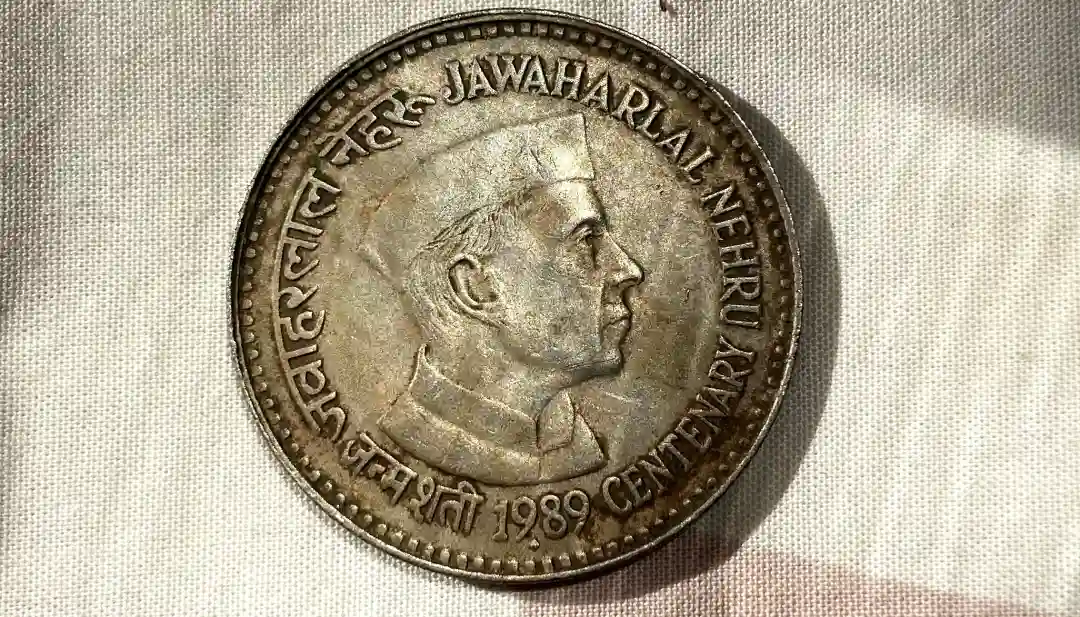
Professional evaluation takes into account the original brightness of the coin, the presence of scratches and marks, the wear of the images and the tonality of the surface. You will find that even small details such as luster (characteristic brightness of uncirculated coins) and tone (natural coloration of the metal with time) significantly influence the final classification. Experts use magnifying glasses and specific lighting to ensure accuracy in the analysis.
Coins in MS-65 state or higher rarely circulated and preserve most of the original features, which you will easily notice compared to more worn out specimens. Investment in high gradation coins offers greater security of appreciation, although it requires more significant initial outlay. You must balance your financial possibilities with realistic collector goals when deciding on which conservation range to work on.
Building a Structured Collection
You should start your collection by defining a clear thematic focus that guides your future acquisitions. Many collectors specialize in coins of a specific period, a particular country, a type of metal or a particular historical theme. This structuring avoids scattered spending and facilitates the recognition of truly relevant opportunities when you find them in the market.
Establishing a budget and respecting limits is crucial to turning collection into a sustainable activity over time. You do not need to acquire ultra-sophisticated parts immediately; gradually building with affordable specimens allows you to gain practical knowledge about authenticity, conservation and market trends.Start with moderate value coins while developing expertise to make larger investments safely.
Keeping detailed records of each currency you purchase ensures better collection organization and facilitates documentation for insurance or future evaluations.Photograph each piece in high quality, note provenance, date of acquisition, price paid and any relevant information about its history. This administrative work protects your assets and offers valuable information if you decide to sell or expand the collection later.
Care in Conservation and Storage
Improper preservation can permanently destroy value in a rare coin, so you should pay special attention to storage. Avoid aggressive cleaning, as old coins develop natural patina that protects the surface and can be removed by solvents or brushes. Never touch the face of the coin directly with bare fingers; wear cotton or nitrile gloves when it is necessary to manipulate parts of your collection.
You should store your coins in a dry environment with controlled humidity and protection against extreme temperature variations.Specialized inert polyethylene albums, certified acrylic capsules or climate storage boxes offer different levels of protection according to the value and importance of each piece. Avoid common plastics, newsprint or acidic materials that chemically react with metals and cause progressive oxidation.
You will also need to consider the physical security of your collection as it gains value and volume.Bank security vault, home safe or specialized air-conditioned chamber storage are viable options depending on the size of the collection.Keeping the collection photographically documented and with purchase receipts provides additional protection for insurance claims in the event of unforeseen eventualities.
Trends and Opportunities in the Current Market
The rare coin market keeps evolving, and you will find new opportunities constantly emerging as collection trends change. Modern commemorative coins are gaining prominence among young collectors, creating demand for limited editions launched by central banks.
You will notice that technology also influences the numismatic market, with digital platforms facilitating international purchases and connections between collectors. Online auctions, specialized marketplaces and virtual communities have created greater transparency in prices and greater access to diverse pieces. This democratization allows you to participate in global negotiations regardless of geographic location.
Currencies from developing countries or less documented periods begin to attract increasing interest from collectors seeking diversification beyond the classic european and american. You can find interesting investment opportunities in asian, african or latin american currencies that still do not receive proportional evaluation to their real rarity. Geographically diversify enhances return and reduces risk of excessive concentration in a single market segment.