
Application to Slim down Fast and Effective
Announcements
Do you want to lose weight fast, but do not know where to start? The apps to lose weight offer features that facilitate the tracking of calories, exercise and progress, making the journey much more practical and motivating.
 Lose Weight for Men
Classification:
”’I think it’S.
4.95
Age Classification:
Free Classification
Author:
Leap Fitness Group
Platform:
Android
Price:
Free
▶Download on Google Play
Announcements
Choosing the right app makes all the difference between quitting after two weeks or achieving your goals consistently.There are several options available, each with distinct functionalities and approaches, and you need to understand which one best aligns with your lifestyle and weight loss goals.
Why use apps to lose weight fast?
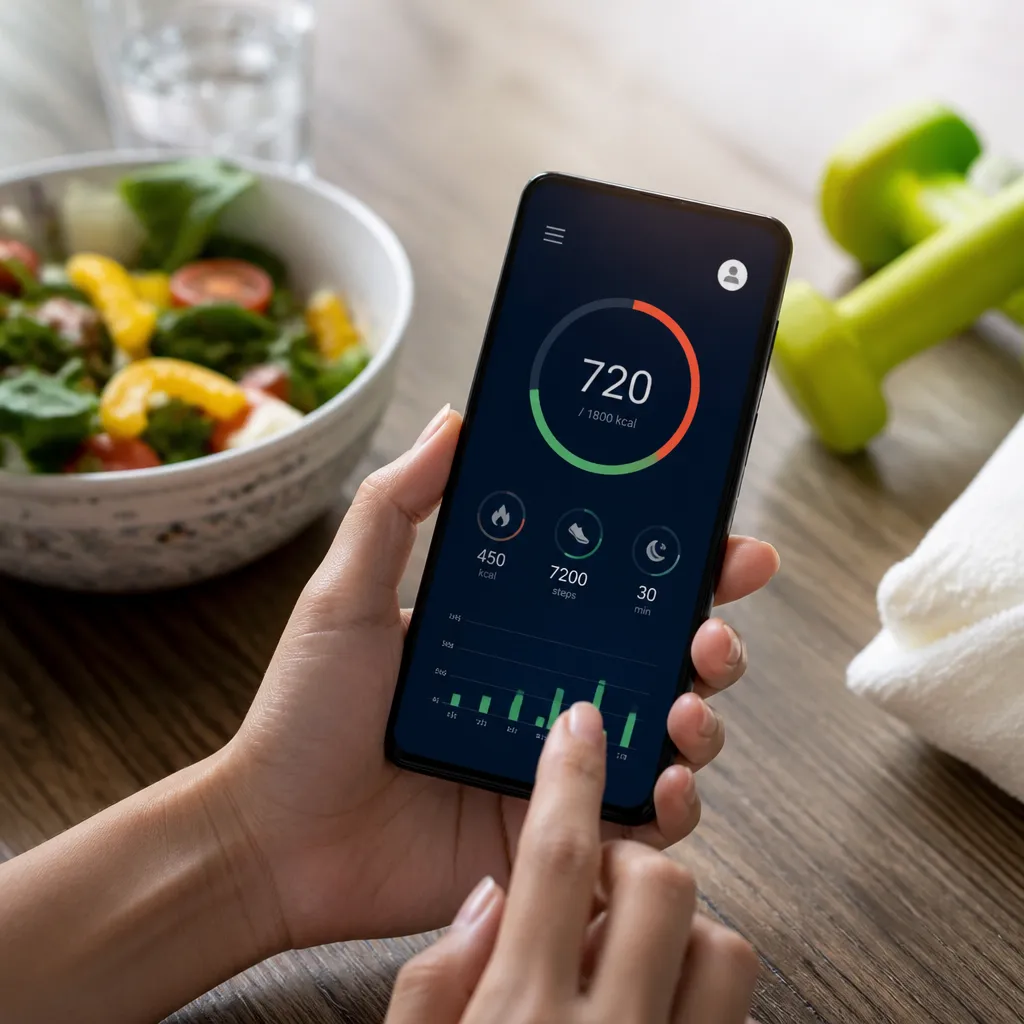
Modern apps work as a personal trainer and portable nutritionist, available 24 hours on your smartphone. They automatically record calories consumed, monitor hydration, track physical activities and show your progress in visual charts that motivate continuity. In this way, you no longer need to count calories manually or write everything down in a notebook.
Practicality is key when it comes to fast and effective weight loss. A well-developed app eliminates psychological barriers that prevent people from starting diets as it simplifies complex processes and provides constant support.In addition, many apps include communities where you can share experiences with others who have similar goals, increasing engagement and motivation to continue.
When you use an app consistently, it creates an automatic monitoring routine. This means that you do not have to constantly think about whether you are eating well or should exercise today, because the app reminds you and facilitates these actions. The technology works in your favor, transforming health habits into natural behaviors and integrated into your daily life.
Key features to compare weight loss apps
Before choosing an app, you should analyze what features really matter to your situation. Not every app offers the same features, and some are better suited for beginners while others are for those who already have experience with diets. The main features to note include food database, macronutrient tracking, integration with wearable devices and personalized training plans.
The quality of the food database is critical, because an app with a limited database or with inaccurate nutritional information will harm your follow-up. You want an app that recognizes not only generic foods, but also ready meals, regional products and even dishes from popular restaurants. This avoids frustration when you try to register your breakfast and the app does not find the option you ate.
Integration with smartwatches and fitness trackers is also important if you already use these devices. Some apps automatically sync step data, calories burned, and heartbeats, eliminating the need to manually enter this information.This automatic synchronization saves time and increases the accuracy of the data collected about your actual caloric expenditure.
Another key aspect is the availability of nutritional and training plans. Apps that offer only tracking are useful, but those that combine tracking with professional guidance accelerate results.Make sure the app provides plans adaptable to your specific goals, whether it is losing weight quickly, gaining muscle mass or improving overall health.
Comparison of available application types
There are basically four categories of weight loss apps: pure calorie trackers, apps with integrated diet plans, apps focused on exercise and training, and complete platforms that combine everything.Each category has its advantages and disadvantages, and the choice depends on how you prefer to approach weight loss.
Pure calorie trackers are ideal if you already know nutrition well and just want to record what you eat. They often have simple interfaces, huge food databases, and provide detailed reports on calories, macronutrients, and micronutrients.
Apps with integrated diet plans are best if you prefer to have a structured guide on what to eat. These apps offer suggested meals, automatic shopping lists, and ready-made recipes that already come with calculated calories.The downside is that they are less flexible and may not adapt well if you have specific food preferences or strict dietary restrictions.
The apps focused on exercise and training work best if you believe that losing weight fast requires mainly intense exercise and changes in body composition. They offer training videos, progressive exercise plans and performance tracking. However, they usually do not focus so much on nutrition, which is fundamental to lose weight, since weight loss occurs mainly through the calorie deficit.
The complete platforms combine calorie tracking, nutrition plans, exercise and sometimes even advice from healthcare professionals.They are the most comprehensive and offer the best integrated experience, but they generally charge higher tuition and have steeper learning curves due to the amount of functionality available.
Analysis of essential versus extra functionalities
You need to differentiate between features that really help you lose weight fast and extras that just fill the app with unnecessary content. Essential features include accurate calorie tracking, weight recording, visual progression history and goal adjustments based on your advancement. Without these elements, the app will not properly serve its main purpose.
Extra features that add value include social media integration for friendly competitions, motivational notifications, educational articles about nutrition, and user communities. These features enhance the experience and increase engagement in the long run, but are not absolutely necessary for you to slim down. Assess the cost-benefit ratio: a more expensive app with lots of extras may be less effective for your needs than a simple app focused on essentials.
Data accuracy is an essential functionality that you often underestimate.An application that allows manual food entry is useful, but one that offers food photo recognition or barcode reading saves time and reduces typing errors.
How to choose the best app for your specific needs
The first step is to define your goal clearly: losing weight fast can mean different things to different people. Some want to lose 5 pounds in a month, others want to eliminate 30 pounds in three months and some just want to lose weight sustainably even if it takes longer. Your individual goal determines which type of app will work best, because an app optimized for rapid weight loss may not be ideal for sustainable loss and vice versa.
You should also consider your level of experience with diets and exercises. If you are an absolute beginner, you need an application with a lot of educational content, structured plans and a lot of step-by-step guidance. If you are an advanced user who has already done several diets before, you probably prefer an app that offers more flexibility and customization, because you already know the basic principles and just want to keep track of your data.
Also evaluate your lifestyle and food preferences. If you eat a lot of home-cooked food and traditional recipes, choose an app with robust database of local foods or that allows easy entry of personalized meals. If you eat frequently in restaurants or order food by app, look for one that has partnerships with these establishments or allows quick records of ready meals.This compatibility between the app and your real life exponentially increases the chance of you using the app consistently.
Some apps are completely free with limited features, others offer robust free versions with premium options, and some charge a monthly subscription from the start. Determine how much you are willing to spend and compare what each price range offers.Sometimes a premium app with more functionality justifies the investment because it makes it so practical that you actually use it every day.
Implementation strategy for fast results
Choosing the right app is only half the battle; how you use it determines whether you will see quick results or not. The first strategy is to start simple: in the first week, use the app only to track what you already eat, without making significant dietary changes. This serves as a baseline and shows how many calories you are naturally ingesting, crucial information to define a realistic calorie deficit.
After establishing your baseline, the next step is to create a small calorie deficit starting with reducing ultra-processed foods and sugary drinks. A deficit of 500 calories per day is considered aggressive but safe, leading to a loss of approximately half a kilogram per week. The app should help you visualize this daily deficit and offer suggestions on how to achieve it without leaving you hungry.
Use the app to track variables other than calories, such as protein, fiber and water intake. When you increase protein and fiber while reducing total calories, you feel more satiated and have less desire to eat between meals. These changes in macronutrient composition accelerate the feeling of physical progress and facilitate the continuity of the diet because you feel better physically.
Synchronize exercise tracking with the app, but be realistic about calories burned.Many apps overestimate the caloric expenditure of exercise, so you can make the mistake of eating more thinking you have compensated for the exercise.Start with a conservative approach: consider exercise as a bonus that you do not need to eat back, and not the opposite. This prevents the psychological trap of “gained the right to eat more because I exercised”.
Set reminders and notifications in the app so that it helps you in daily consistency. You should record your meals no later than a few hours after eating them, while the memory is still fresh. Some apps offer pre-registration of common meals that you eat often, saving time in daily records. Use these features to the maximum because the more practical the record, the more likely you are to maintain consistency.
Limitations you should know about
No app to lose weight is perfect, and you should be aware of the limitations that every app has. The most important is that an app can not force you to make healthy choices; it just records your actions. If you continue to eat a lot even with the app tracking, the problem is behavioral and not technical, then no feature within the app will solve this without you also work your relationship with food.
Another critical limitation is the accuracy of nutritional data.Even the best apps with the largest databases have occasional inaccuracies in food calorie information, especially when it comes to portions.When you use “a cup of cooked rice”, the app calculates calories in a standardized amount, but your portion may be slightly larger or smaller. These small variations accumulate over time, so you should never rely 100% on the app’s calorie bills.
Apps also do not replace professional advice from a nutritionist or doctor.If you have special health conditions, complex food allergies or take medications that affect metabolism, you need the guidance of a professional in addition to the app. The application works as a support tool, not as a substitute for the human expertise needed in more complex cases.
Psychological dependence is also a limitation that you should monitor. Excessive obsession with app numbers, obsessive daily weighing or intense guilt when you do not register a meal are signs that the app is affecting your mental health negatively. In this case, consider taking time without the app or reduce its frequency of use, because apps are tools to help your life, not to control it.
Trends in weight loss apps
Weight loss apps are evolving rapidly, incorporating technologies like artificial intelligence and machine learning to offer more personalized recommendations. Modern apps not only track what you eat, but analyze patterns in your data and suggest adjustments before you get stuck on a weight loss plateau.
Integration with healthcare professionals is another growing trend, where you can share your app data directly with your doctor or dietitian. This hybrid approach combines technological convenience with human expertise, accelerating results because the professional can make recommendations based on real data of your consumption and progress. Some apps now offer virtual consultations within the platform itself, creating a complete ecosystem of health and well-being.
Mental wellness features are also being incorporated into weight loss apps, recognizing that emotional health directly affects the success of diets. Guided meditation, stress management techniques, and resources for dealing with emotional hunger are additions that help you lose weight fast without developing behavioral problems with food. These changes reflect a deeper understanding that sustainable weight loss involves more than just calorie inputs and outputs.
Augmented reality for progress visualization is an emerging trend that allows you to see simulations of how your body would look at different stages of weight loss. Although before and after photos are useful, AR visualization offers even more powerful motivation because it is personalized and based on your actual data. This technology makes the weight loss journey more tangible and visually motivating.