Create your own character in the style 'Disney Pixar'
Announcements
Find out how you can create your own character in the style ‘Disney Pixar’, the latest trend in social networks.
Announcements
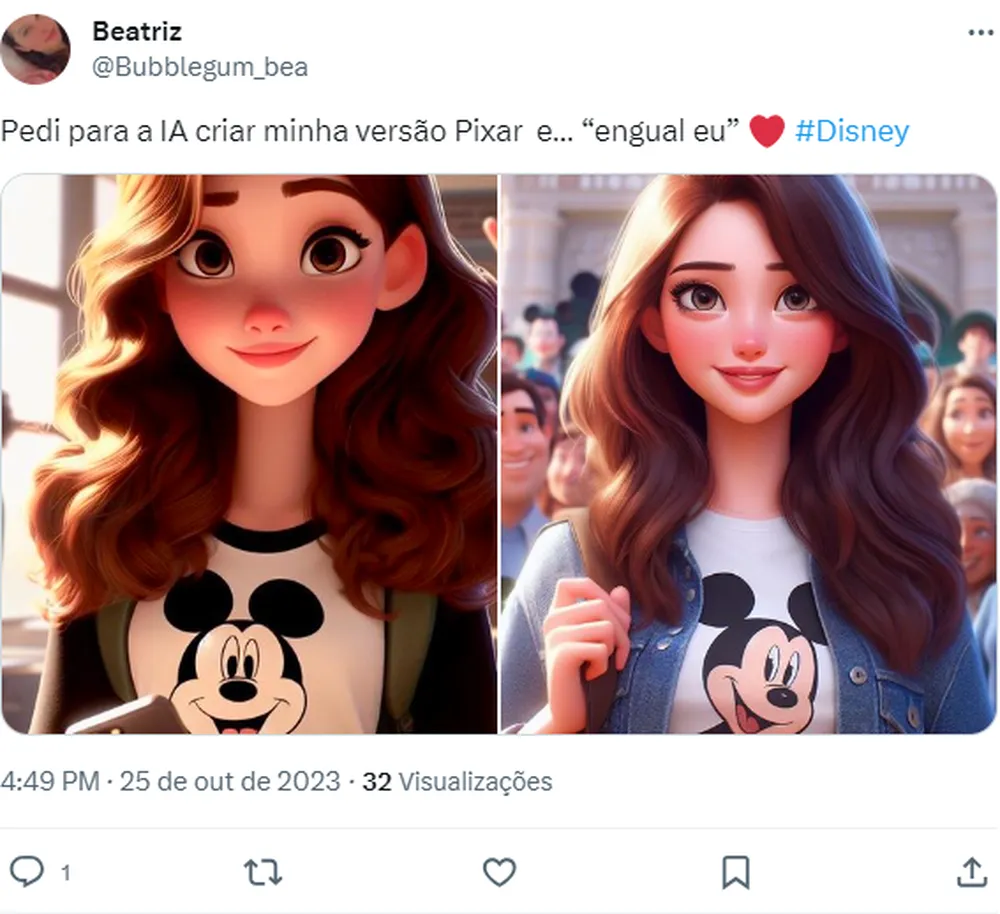
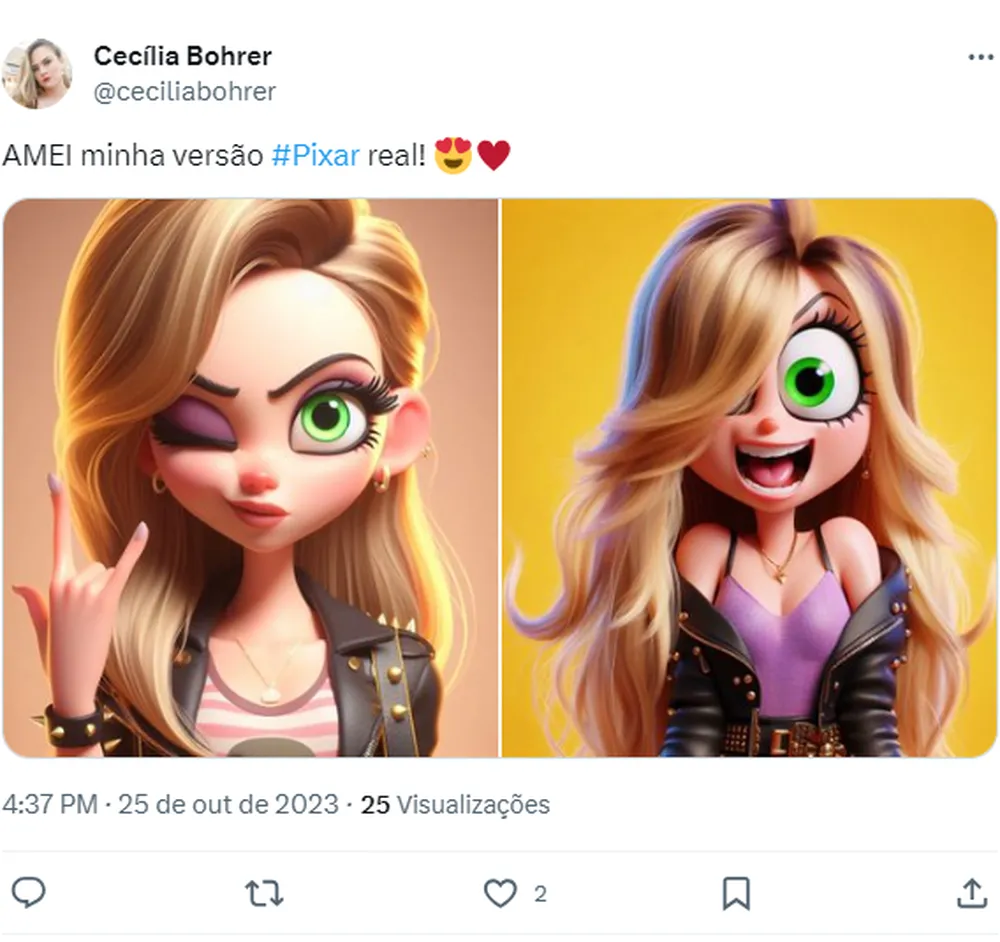
The latest trend on social media is the creation of characters in the style of “Disney Pixar”. Although these images are remarkably similar to the original Disney Pixar animations, they are generated by Microsoft using a “drawing robot” (see how to make yours).
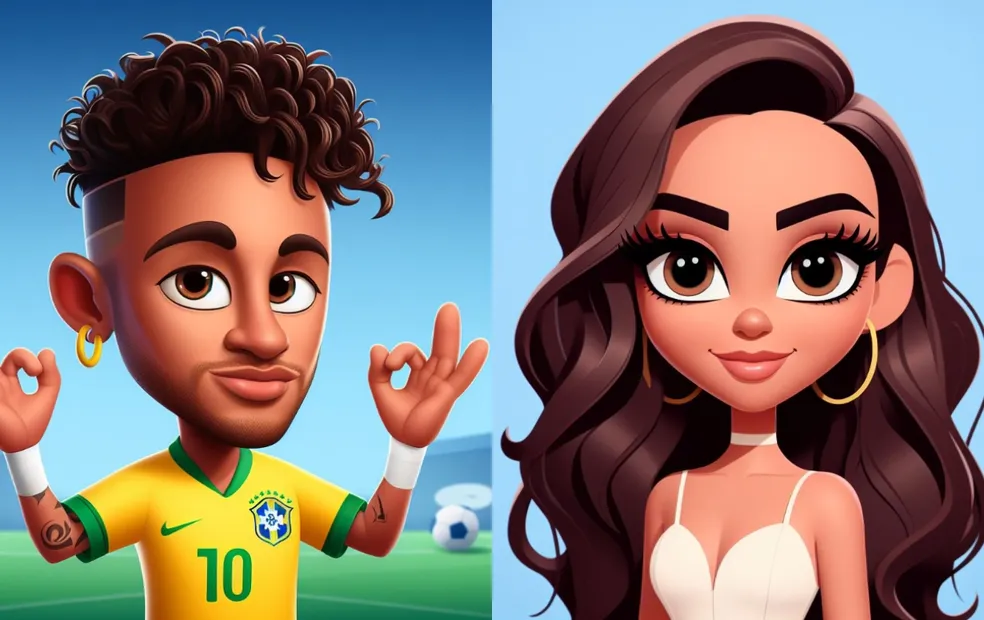
Famous people like Neymar Jr shared their own versions, created through artificial intelligence (see more at the end of this article). The illustrations are notable for their similarity to the characters of the company’s acclaimed animations, such as “Frozen”, “Moana” and “Toy Story”.
In addition, this trend has extended to the reproduction of characters from other studios, such as Harry Potter, representations of Brazilian cities and even covers of musical albums.
Behind this technology is DALL-E 3, a system developed by OpenAI (the same company behind ChatGPT), which uses artificial intelligence to create illustrations.
If you want to create your own character in the style ‘Disney Pixar’, g1 has prepared a step by step guide to help you get into the trend.However, it is important to have patience, as the site faced instabilities throughout this Wednesday (25).
Here are the steps to create your ‘Disney Pixar’ style character:
- Visit the Microsoft Bing AI image creation website (https://www.bing.com/create).
- Write “Create a Pixar-style character” and provide details about the person the AI should generate. Then click “Ingress and Create”.
- On the next screen, enter your Microsoft login and password.
- The AI will generate four images for you.
Understand more about ‘drawing robots’
WHAT THEY ARE: Artificial intelligence models trained to emulate the human thought process.
HOW THEY DRAW: They use a technique called “diffusion” which starts from random points in the images and gradually forms representations recognizable by humans.
HOW THEY ARE CREATED: The robots employ vast datasets containing billions of images associated with text descriptions, allowing them to learn to identify objects and artistic styles.
WHAT DEBATE: It revolves around the ability of these robots to replace professional illustrators and the question of whether learning from images available on the internet constitutes intellectual property infringement.
WHERE TO TEST: Platforms such as Midjourney, Stable Diffusion and DALL-E are available to the public in beta versions, allowing those interested to experience their functionality directly on their respective websites.
Repercussion
Internet users shared the versions made by the technology:
Conclusion
In summary, artificial intelligence models that emulate human thought and use the “dissemination” technique to create recognizable images are promoting a revolution in the creation of illustrations.By learning from vast datasets of images and text, these robots raise important questions about their potential to replace professional illustrators and about the ethics of using images available on the internet.
As platforms like Midjourney, Stable Diffusion and DALL-E become publicly accessible in beta versions, the interplay between human creativity and artificial intelligence will continue to evolve, generating debates and innovative possibilities in the world of art and visual creation.