Monitor your glucose simply and quickly
Announcements
Do you really know how an app manages to monitor your glucose? Many myths surround this technology that is changing the lives of millions of diabetics.In this article, we will unravel what is true and what is just speculation about the apps to monitor glucose.
Announcements
Glucose monitoring technology has evolved enormously in recent years, moving from simple paper diaries to sophisticated apps that track your levels in real time.You can control your health much more accurately now, but it is important to understand how these apps work and what their real capabilities are.
How apps work to monitor glucose
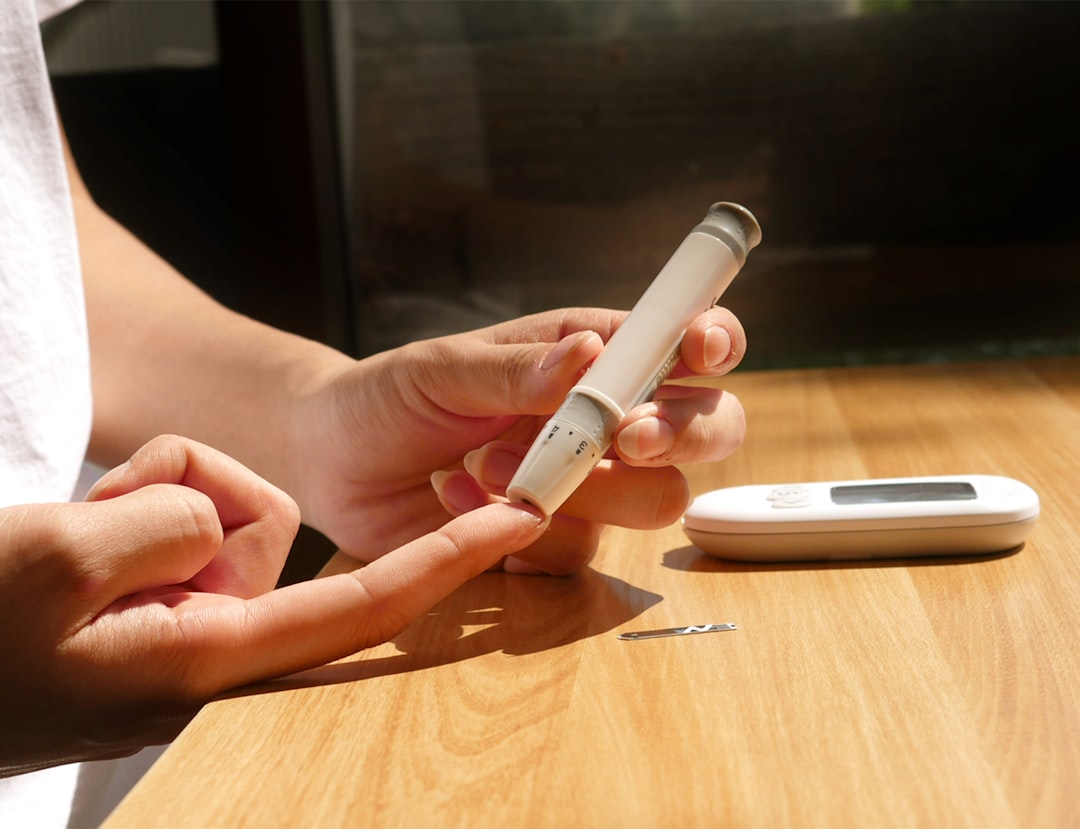
Most apps for glucose monitoring work as an intermediary between you and your data. The app does not measure glucose directly, but rather records measurements made through external devices such as glucometers, continuous sensors or insulin pumps.
The process is relatively simple: you make the measurement with your fingertip device or sensor, the result is sent to the application, and the program stores this information in a secure database.Over and over, the app collects all your data and offers graphs, reports and analysis that you can view at any time on your mobile or computer.
Myth 1: The app measures glucose alone
This is one of the biggest myths about apps for monitoring glucose.Many people believe that the app can measure glucose levels through the mobile phone, as if the phone had a built-in sensor.In fact, this is completely false. The app is just a recording and analysis tool, not a measuring device.
You still need a portable glucometer or a continuous glucose sensor to get the readings. The app simply organizes this information and presents it in a visual and understandable way.Without a measuring device connected to your body or a glucometer in your hands, the app can not provide any glucose reading.
Truth: Apps offer advanced analytics
It is absolutely true that glucose monitoring apps provide much more advanced analytics than you could do manually. Apps automatically calculate your averages, show trends over days and weeks, and identify patterns you might never notice.
You can see in colorful graphs how your glucose responds to different foods, meal times and periods of physical activity. The app detects spikes and falls, calculates glycemic variability, and offers insights that help you and your doctor make better treatment decisions.
Myth 2: All apps are equally accurate
Not all glucose monitoring apps have the same accuracy and reliability. The quality of the app depends on the technology used, the regulatory certification it has, and compatibility with your measuring devices.Some apps are medically validated, while others are just basic data loggers.
An app that automatically syncs with a certified continuous glucose sensor offers much more accuracy than an app where you manually type your readings. The possibility of human error increases significantly when you need to manually record information.
Truth: Apps make it easy to share with doctors
It is totally true that modern glucose monitoring apps allow you to share your data with healthcare professionals safely and quickly. You can generate detailed reports directly in the app and share them with your endocrinologist or general practitioner, saving time on appointments. Some apps even allow the doctor to track your data in real time.
This functionality completely changes the relationship between you and your doctors. Instead of remembering vague notes about your health, you present accurate and objective data.The professional can quickly identify problems and adjust your treatment based on real information, not assumptions.
Myth 3: The app replaces medical monitoring
This myth is dangerous and you should not believe it in any way. An application to monitor glucose is a complementary tool, not a substitute for regular medical appointments. The app offers valuable data, but it is your doctor who interprets this data, makes diagnoses and adjusts your treatment plan.No algorithm replaces the clinical experience of a health professional.
The app can alert you to worrying variations in your glucose levels, but you always need to report this information to your doctor and follow their guidelines.Many people make the mistake of relying only on the app and leave aside regular appointments.This can result in serious complications of diabetes that could have been prevented with proper professional follow-up.
Truth: Apps improve your adherence to treatment
Using an app to monitor glucose has been proven to significantly improve adherence to diabetes treatment.When you have visual data on how your choices affect your glucose, you are much more motivated to maintain healthy habits.The app turns diabetes into something tangible and traceable, not just abstract instructions from your doctor.
Notifications reminding you to measure your glucose, graphs showing your progress and goals achieved work as a reward system that motivates you to continue taking care of your health. You come to better understand your body and how it responds to different situations. This in-depth understanding is essential to live well with diabetes and reduce long-term complications.
Myth 4: Apps are dangerous to your privacy
There is legitimate concern about data privacy, but not every app for glucose monitoring offers the same security risks. Health-regulated and certified apps like Anvisa implement robust encryption and strict security protocols.
Let you be careful when choosing your app is true, but the solution is not to avoid using apps out of fear. Instead, choose apps that have certifications, that comply with general data protection law, and that clearly explain how your data is stored and used. Reputed apps invest heavily in security because they understand the importance of your sensitive data.
Truth: Apps offer educational features
Many apps for glucose monitoring include educational resources you can use to learn more about diabetes and its different forms of management. Some apps offer articles, videos, and nutrition tips directly integrated into the platform.These educational tools complement medical monitoring and help you become more self-sufficient in your health care.
You can find in many apps information about how different foods affect glucose, what is the impact of physical exercise and how stress influences your levels. This educational information is based on scientific evidence and helps you make more informed choices on a daily basis. Continuing education is critical to good diabetes management, and modern apps recognize this.
Myth 5: A single app solves all your diabetes problems
This myth may leave you disappointed if you believe it. No single app is the perfect solution for all people with diabetes. Different apps have different functionalities, interfaces and device compatibility.What works perfectly for one person may not be ideal for another, depending on the type of diabetes, the devices you use and your personal preferences.
You may need to use more than one app or combine the app with other tools to have a complete management solution. Some apps focus on measurement, others on nutrition, others on integration with wearables. The best approach is to try different options and find those that fit your routine and specific needs.
Truth: Apps save time and reduce annotations
It is absolutely true that applications for monitoring glucose eliminate the need to keep paper diaries and disorganized notes. Everything is synchronized in one place, accessible at any time and on any device. You save time not only in data logging, but also in organizing and analyzing information.
When you arrived at the doctor’s office with your confusing and incomplete notebook, you wasted time trying to explain your data. Now, you generate a report in seconds directly from the app and present the doctor with complete and organized information. This time gain extends to all areas of your diabetes management, from meal planning to evaluating how your body responds to medications.
Understanding the reality behind the myths about glucose monitoring apps is essential to take better advantage of this technology.You now know that these apps do not measure glucose alone, but offer powerful analysis and data sharing tools. Choose a reliable app, keep following your doctor regularly and use the technology to your advantage to live better with diabetes. The technology is a valuable ally in your health journey, as long as you use it with realism and responsibility.