Automotive Scanner App: Diagnose Your Car
Announcements
An automotive scanner app puts all the diagnostic intelligence of your vehicle in the palm of your hand.With this tool, you can identify problems with the engine, transmission and other systems before spending money in a workshop.
Announcements
Automotive scanning technology has evolved a lot in recent years, moving from expensive, mechanical-only equipment to affordable applications that any owner can use. This article shows how these applications work, when to use them, and how to make the most of their resources to keep your car up to date.
What is an Automotive App Scanner and How It Works
An automotive scanner app is software installed on your smartphone that connects to the vehicle’s on-board computer via an OBD-II adapter. This protocol (On-Board Diagnostic) has been in place in virtually every modern car since 1996 and transmits data on the operation of the car’s main systems. The app reads this information in real time and converts it into understandable diagnostics for the average user.
The connection happens via Bluetooth or USB, depending on the adapter you choose. You place the small OBD-II device in the diagnostic port of your car (usually located under the steering panel), synchronize with the app on the phone and you can already start monitoring the health of the car. The system accesses data of engine temperature, fuel consumption, oil pressure, fault code and dozens of other technical parameters.
Real Use Cases: When You Really Need a Scanner
Imagine that the check engine light turns on on your dashboard as you drive. Instead of running to a workshop and paying a diagnostic-only fee, you park, open your automotive scanner app and find out exactly which sensor is having a problem. This scenario happens hundreds of times a day with owners who have access to this technology. An oxygen reading error, a loose contact on a temperature sensor or a simple fuel problem can be identified in minutes.
Another practical case involves preventive maintenance.You plan a long trip and want to ensure that the car is safe. With an app scanner, you check the battery status, the yield of the cylinders, the tire pressure indirectly and the operation of all critical systems before leaving the garage. This saves time, reduces the risk of breakage on the road and provides mental tranquility during the journey.
Used vehicle owners also take advantage of this technology a lot. Before buying a second-hand car, you can take an OBD-II adapter, connect to the vehicle in the yard of the dealership and check for hidden fault codes or problems that the seller did not mention. This simple procedure can prevent you from closing a deal with a troublesome car and save thousands on future repairs.
Key Features You Should Look For
A good automotive scanner app offers fault code reading in clear language, not just in technical acronyms. When the P0300 code appears, you don’t have to guess what it means: the app translates as “random misfire detected” and suggests possible causes like faulty spark plug or clogged injector. This automatic translation makes all the difference between a useful tool and a useless application.
Real-time data display is another essential feature.You can see engine speed, water temperature, oil pressure, airflow, throttle position and other parameters while the car is running. Some apps create graphs that show how these values vary during acceleration or in different driving conditions, helping you understand vehicle behavior better than any mechanic.
Cleaning fault codes is a feature you will often use. After repairing a problem, that error code remains stored on the car computer until it is manually erased. With an automotive scanner app, you eliminate these codes without having to spend money on workshop. However, if the codes reappear after cleaning, it indicates that the problem has not really been solved.
Failure history records provide a longitudinal view of your vehicle’s health.You track what problems arose, when they arose, and how often they returned.This historical series helps you identify patterns, such as problems that gradually worsen or that appear in specific driving conditions.
How to Choose the Best OBD-II Adapter for Your Case
The adapter is as important as the chosen app. There are basic models that only read codes and advanced models that allow reading of all the systems of the car. The simplest adapters cost between twenty and fifty reais, while premium models that offer full diagnosis are between one hundred and three hundred reais. The choice depends on how much you intend to invest in preventive maintenance and how you intend to use the tool.
Compatibility is crucial. Not every adapter works with every app and not every app works with every car. An app scanner that works perfectly on a Volkswagen may have limitations on a Honda or Ford, depending on the OBD-II protocol variations implemented by each manufacturer. Before purchasing, make sure the adapter is compatible with the app you want to use and the model of your car.
Models with fragile plastic connectors can drop during use, interrupting the connection and losing data.An adapter with reinforced housing, metal connectors and heavy duty cable will last longer and offer more stable connection.You can be driving when the connection falls, so stability is not an optional feature.
Some adapters work via USB connected to the computer, while others use Bluetooth to connect directly to the smartphone.The Bluetooth version offers more practicality because you do not need to charge a laptop in the car, but it can have slightly higher latency.The USB version is faster and more reliable, but less convenient for quick diagnostics on the street.
Practical Advantages of Using an App Scanner Regularly
The financial savings is the most obvious advantage. A professional diagnosis at a dealership costs between one hundred and three hundred reais just to find out what the problem is. If you use an app scanner and find out that it is just a spent spark plug, you buy the part for twenty reais, install it in five minutes and save most of the amount you would spend on labor. In a year with several minor problems, the savings can easily reach a thousand reais or more.
Instead of completely relying on the opinion of mechanics (who occasionally suggest unnecessary repairs), you have objective data about the state of the car. This information puts you in a stronger position in negotiations and allows you to identify when a mechanic is being honest or trying to sell services that are not really necessary.
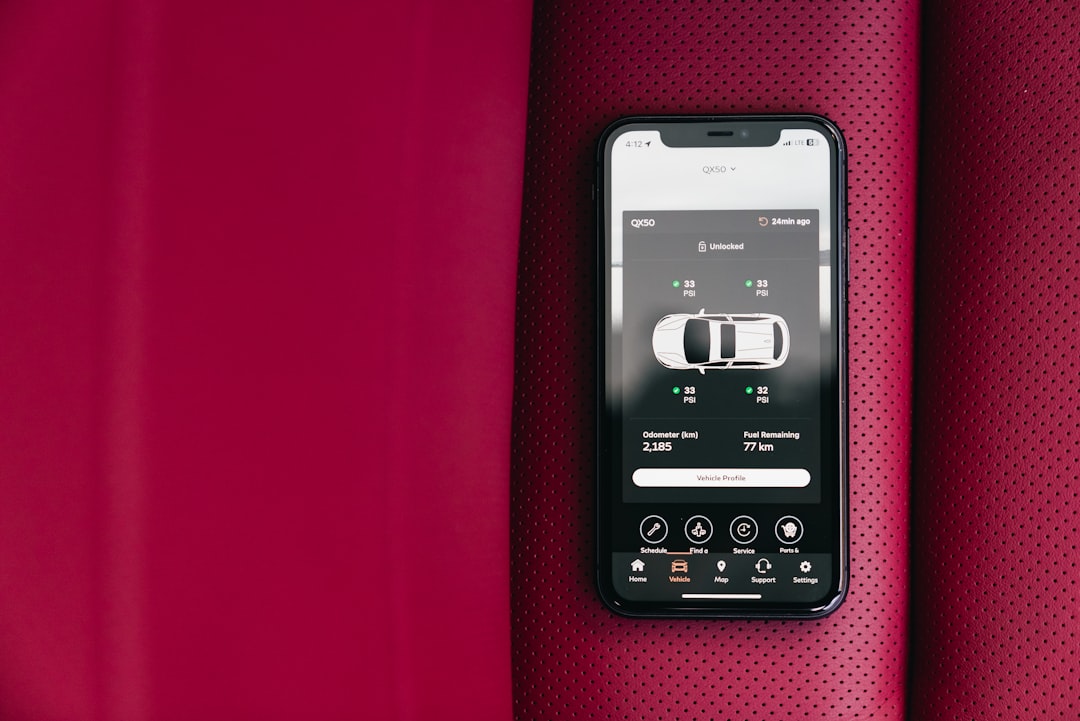
Improved safety is another significant benefit. Issues affecting engine operation, brakes or steering are identified before they become dangerous. You detect impending failures while still having time to schedule maintenance in the workshop rather than breaking on the road or in a risky situation. Parents who share the car with teenage children gain peace of mind knowing they can check the health of the vehicle regularly.
Preventive maintenance becomes really possible. You are no longer waiting until something breaks to act. With regular temperature, pressure and consumption readings, you identify when a part is starting to fail and replace before creating a ripple effect that damages other parts of the engine. This approach extends the life of the vehicle and maintains the constant performance standard.
Limitations You Should Know
An automotive scanner app does not replace a professional mechanic for complex problems. If the diagnosis points out that the air conditioning compressor is failing, you still need to take the car to a specialist to repair or replace the part. The app identifies the problem but does not perform the repair. Many novice owners make the mistake of thinking that the scanner solves everything and leave serious problems without action.
Not all car manufacturers expose all vehicle data through the OBD-II protocol.Some systems, especially the latest ones, have additional layers of security that prevent full reading.A luxury 2024 car may have limited access to certain data compared to a simpler 2010 model.You will not be able to read codes from brand-specific systems that use proprietary protocols.
Software update is required to keep the app running smoothly. As car manufacturers modify OBD-II protocols and create new standards, older apps may lose compatibility. An app that was perfect three years ago may be partially obsolete now, requiring updating or replacing with a newer version.
Interpretation of data requires learning. A fault code can have multiple causes, and only the context and additional symptoms reveal which is the true one. If you do not have basic mechanical knowledge, you may get confused or come to wrong conclusions. An app that says “defective oxygen sensor” may be right, but it can also mean that a wire was loose and the sensor was reading incorrectly.
Practical Tips to Maximize Use of Your Automotive Scanner
Set up a monthly check routine. Book a day of the month, perhaps when you will fuel the car, and make a quick reading of all the key codes and parameters. This simple habit helps you detect problems at the early stage, when they are still small and cheap to fix. Many serious failures start as small warnings that attentive owners manage to capture.
Keep a written record of all the diagnoses made. Copy the fault codes, dates, parameter readings and any action you took in response. After a year, you will have a complete history of the health of your car. This document is valuable if you sell the vehicle, as it proves that it was well maintained. It is also useful if you notice the same code returning repeatedly, indicating a recurring problem not solved.
Combine data reading with sensory observation.When the app says the fuel is burning inefficiently, you notice whether the car has accelerated more than normal or is making strange noise.When the engine temperature is high, you check whether the air conditioner is running or whether there is a leak of coolant. Scanner data gains context and meaning when combined with what you see, feel and hear.
Do not confuse warning codes with emergencies. A code P0171 (Very poor system) is serious, but it usually does not mean that you need to stop the car immediately. You can drive carefully to a workshop. However, a code related to brakes (P0699) or electric steering requires immediate attention. Learning the priority of each code prevents you from unnecessarily panicking or, conversely, ignoring a problem that is really serious.
Share reports with your trusted mechanic.If you take the car for routine maintenance, send the scanner data to the professional before the visit. This helps the mechanic prioritize what to check and makes it clear that you are monitoring the vehicle, reducing the attempt to sell unnecessary services. A relationship based on data and transparency benefits both parties.
Track seasonal patterns or related to specific conditions.Some cars only have fault codes in cold weather or after driving on wet streets. Others develop problems after driving on the road versus in the city. Tracking these patterns, you can predict when problems are likely to occur and take preventive measures. A car that always presents a specific code on rainy days may simply have a connector with moisture; one that presents the code on hot days may have electrical overload problem.
Try different app features gradually. Start with reading basic codes and parameters until you feel comfortable. Then move on to real-time graphics and multi-parameter analysis simultaneously. This stepwise approach avoids information overload and allows you to build solid knowledge over time. A rich app may seem intimidating at first, but it gets intuitive with regular practice.
Always check the source of information when interpreting results.Failure code databases differ between applications, and some sources are more reliable than others. If one app says its code means “total engine failure” and another says “loose sensor”, the second interpretation is probably more accurate. Consult multiple sources before spending money on repairs based on automated diagnosis.