The secret to making the battery last much longer
Announcements
Your smartphone’s battery drains quickly and you don’t know why?You’ve probably seen promises of battery-maximizing apps everywhere, but not all of them work as they promise.
Announcements
In this article, you will find out what myths surround battery optimization apps, what truths actually work, and how to implement effective strategies to extend the battery life of your mobile phone.
The Myth of the Miraculous App that Extends the Battery Infinitely
Many users believe that there is a magic application capable of extending the battery by 200% or 300% just by installing it. This is one of the biggest lies circulating in the app stores.The truth is that no software can create power from nowhere or make the battery last indefinitely.
What happens is that some maximizing apps can save battery marginally, usually between 5% to 15%, by closing unnecessary processes or reducing brightness. This gain, although useful, is not the miracle that ads promise. When you see grand promises, immediately distrust and read the actual user reviews before installing.
The Truth About RAM Cleaners and Battery Optimizers
You may be using a battery maximizer app that works as a RAM cleaner. These tools close background apps to free up memory and supposedly save energy. The reality is more nuanced: by constantly closing apps, you force the operating system to recharge them from scratch when it needs to use, which consumes more battery, not less.
Modern operating systems, such as Android and iOS, already manage RAM and processes intelligently. A maximizing app that works against this system ends up creating more work for the processor.The truth is that letting apps run naturally, without constant intervention, saves more energy than closing everything manually or with a dedicated application.
Myth: Disabling WiFi and Bluetooth Saves a Lot
Many battery maximizers promote disabling WiFi and Bluetooth as the main saving strategy. Although these connections consume power, consumption is minimal when you are not actively using these features. In addition, disabling WiFi forces your mobile phone to use mobile data, which consume significantly more battery.
The practical truth is that you should disable WiFi and Bluetooth only if you really don’t need them. A maximizing app that forces this deactivation can leave you uncomfortable and disconnected when necessary. The sensible approach is to keep these features enabled and simply use your network with awareness.
What Really Drains Your Battery: The True Villains
Contrary to what many maximizing apps suggest, the screen is responsible for consuming between 30% to 50% of all the energy of your device. If you want to really extend the battery, start by reducing the brightness or activating the dark mode if your phone has AMOLED screen. This is one of the simplest and most effective secrets that no app can do better than yourself.
Apps that run constantly in the background also drain a lot of energy. GPS enabled, continuous data synchronization, automatic updates and real-time notifications are real battery consumers. A maximizer app can help disable these features, but you can do this manually in your phone settings without having to install anything extra.
The Truth about Native Battery Saving Mode
Your smartphone probably already comes with a battery-saving mode integrated into the operating system.Did you know that this native feature is as effective as any battery-maximizing app you can download?The economy mode offered by the manufacturer is optimized specifically for your device and works harmoniously with the system.
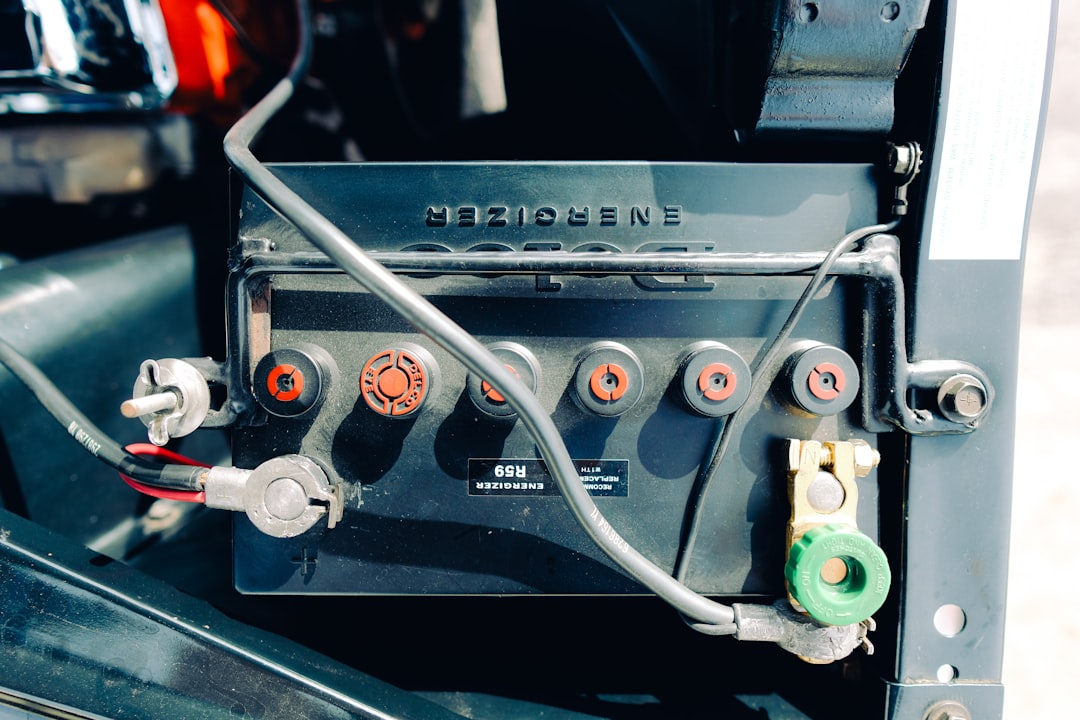
Enabling battery saver mode reduces processor speed, limits background apps, and disables some non-essential functionality. This can save between 15% to 30% power depending on your usage. There is no need to install a maximizer app when you have this powerful and reliable tool already on your mobile.
Myth: Closing Apps Manually is More Efficient than App Optimizers
Some users swear that manually closing each open app saves more battery than using a maximizer app. In reality, closing apps constantly creates a continuous cycle of charging and discharging that consumes a lot of battery.
The smartest approach is simply not opening too many apps simultaneously.When you need something, open, use and quit naturally. Letting the system manage automatically is more efficient than any manual strategy or any battery maximizer app you can install, as it reduces the total work your processor needs to do.
The Real Benefits of a Maximizer App When Chosen Right
There are battery maximizing apps that work, as long as you have realistic expectations. A good app in this category gives you detailed information about which apps consume the most power, allowing you to make informed decisions.Some track your historical consumption and suggest personalized improvements based on your usage pattern.
The real value of a well-made battery maximizer app is in user education, not magic solutions. If the app shows accurate data on battery consumption, offers practical tips and leaves you in control of decisions, then it may be worth installing.Search for apps with honest reviews and that do not make impossible promises.
How to Extend Battery Without Relying on Apps
The most effective strategy for extending your battery combines several simple tactics. Reduce screen brightness or turn on auto-tuning, disable location services when you don’t need to, review which apps are allowed to sync in real time, and close unnecessary tabs in the browser. These simple actions bring practical results without installing anything.
Turning on dark mode in apps that support it, disabling non-essential notifications, and clearing cache regularly also help significantly. When your battery really needs to last longer, turn on your system’s native saving mode. These combined practices save more battery than any isolated maximizer app would.
Security and Privacy: The Dangerous Side of Certain Maximizers
Not every battery maximizer app is safe. Some ask for excessive permissions, such as access to your contacts, messages, or browsing history.These permissions go far beyond what would be needed to save battery, signaling potential privacy issues.
Before installing any optimization application, carefully review what permissions it requests. If a battery maximizer app asks for access to your camera, microphone, or personal data, do not install. Prefer the native features of your operating system or only apps with a proven track record of reliability and respected privacy.