Monitor Your Vehicle Now!
Announcements
The world of automobiles is constantly evolving, with vehicles equipped with advanced technology and increasingly complex systems.
Announcements
However, with this complexity arise challenges related to maintenance and identification of mechanical problems.
Fortunately, technology also offers solutions to these challenges, and vehicle diagnostic applications are becoming essential tools for modern drivers.
In this article, we will explore how these applications work and provide examples of how they can be used to simplify vehicle maintenance.
The Power of Vehicle Diagnostic Applications
Vehicle diagnostic applications, often linked to OBD-II connection devices, have become extremely popular in recent years.
They provide drivers with access to vital information about how their vehicles work, helping to identify problems before they become serious and costly.
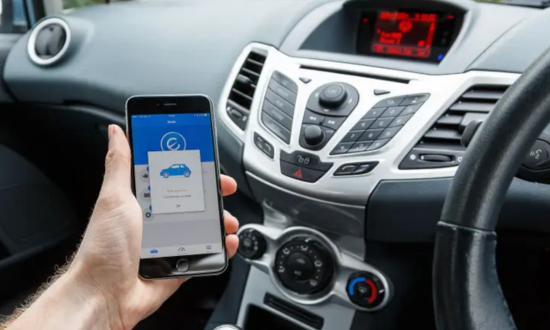
These applications work through a connection to the vehicle’s OBD-II port, which is an access point to the car’s embedded electronics.
Once connected, the app can read data directly from the sensors and computers in the vehicle, providing valuable insight into performance, efficiency and potential issues.
Examples of Use of Vehicle Diagnostic Applications
- Reading Error Codes (DTCs):
- One of the most common uses of diagnostic applications is reading vehicle error codes.
- For example, if the engine check light comes on in the instrument panel, the driver can use the app to read the error codes associated with the problem.
- This provides an initial indication of the nature of the problem and helps make informed decisions about the need for immediate repairs.
- Real-Time Monitoring:
- Apps can display real-time data such as engine temperature, vehicle speed, fuel consumption and more.
- This is particularly useful for drivers who want to monitor vehicle performance, detect efficiency issues or identify driving behavior patterns that can save fuel.
- Fuel Economy:
- For drivers concerned about fuel efficiency, some apps can provide tips and analytics to improve fuel consumption.
- They can monitor driving style, calculate fuel economy and suggest adjustments to save money.
Diagnostic Application Examples
1- FIXD:
This application is accompanied by an OBD-II device that connects to the car. It is designed to provide simple and understandable information about the health of the vehicle.
The app translates error codes in easy-to-understand terms and offers repair cost estimates.It also tracks maintenance history and sends automatic reminders.
Download available by clicking the button below your respective app store.


2- ELM OBD2 Car Scanner
This app is known for its user-friendly interface and support for a wide variety of vehicles.
It offers error code reading, real-time data visualization, data writing for further analysis, and instrument panel customization.
Download available by clicking the button below your respective app store.
3- Carista OBD2
A versatile application that supports multiple brands and models.
In addition to reading error codes, Carista offers advanced features such as customizing vehicle settings, such as enabling hidden features and behavior adjustments.
Download available by clicking the button below your respective app store.
Conclusion
Vehicle diagnostic apps are becoming essential tools for conscious drivers who want to keep their vehicles in great condition and save money on repairs.
They offer valuable insight into vehicle operation, enabling early identification of problems and monitoring of performance.
With a wide range of apps available and a variety of features, drivers have many options to choose from. By adopting this technology, you can become a more informed and safe driver by making the most of your vehicle.